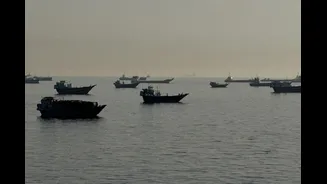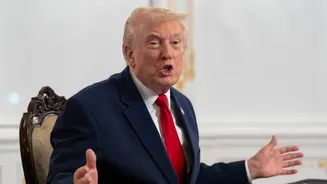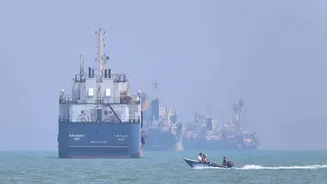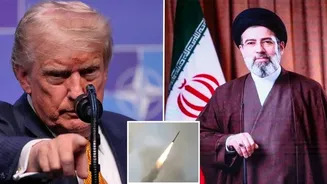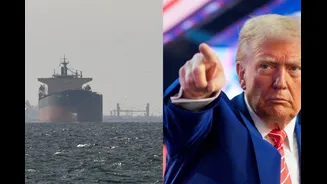




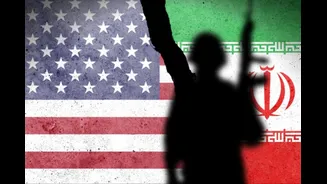




The Trump administration is pressing Iran to make a public commitment that the Strait of Hormuz is open and that it will stop targeting commercial ships.
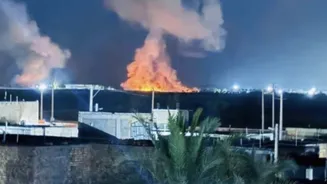
Three US officials, according to Axios, told reporters in a Friday briefing that this demand has gone out through two channels: directly to Iranian officials and through regional mediators working to keep the situation from spiralling further. The administration's position is that Iran broke the terms of the memorandum of understanding it signed with the US three weeks ago by repeatedly opening fire on commercial vessels traveling through and near the strait. Those attacks led to several rounds of fighting and brought the already shaky agreement to the brink of collapse, culminating in President Trump declaring the ceasefire over this week. US officials say Iran's inability to stick to something as basic as this commitment has raised real doubts about whether the country can be trusted to follow through on a far more complicated nuclear agreement down the line.
Saturday's Meeting in Muscat
Iranian Foreign Minister Abbas Araghchi is expected to sit down with Omani Foreign Minister Badr al-Busaidi on Saturday in Muscat specifically to address the Hormuz crisis.Context matters here. Even before the memorandum was signed, Oman had already sided with the US and its Gulf partners by opening a southern route near its own coastline for ships to use. Iran saw that move as undercutting its negotiating leverage and reacted with anger. According to the Axios report, Iranian negotiators have privately admitted that hardline factions within the regime opened fire on ships specifically to try to regain that lost leverage.
Publicly, though, Iranian negotiators, IRGC commanders, and other senior officials have all maintained a unified stance demanding that Iran keep control over navigation through the strait.
What Happens if Iran Doesn't Comply
US officials, cited in the report, say they're expecting Iran to release a statement following Saturday's meeting in Oman. One official said the goal is for Iran to publicly commit to stopping attacks on ships and to acknowledge, whether explicitly or implicitly, that it made a mistake. That official added that the US is hoping Iran will confirm every channel through the strait will remain open and free of charge.A second official warned of serious consequences if Iran doesn't fall in line, saying it wouldn't be a good outcome for Iran if its position hasn't shifted by the following day. The US has already carried out two rounds of strikes against Iran in response to the Hormuz attacks.