







Eight days into the escalating conflict between Israel, the United States and Iran, the ripple effects are beginning to reach Indian households—impacting
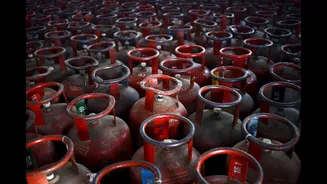
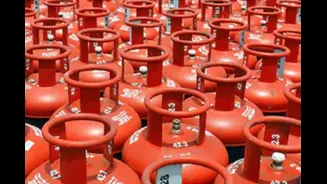
everything from cooking gas prices to remittances and supply chains. Nearly half of India’s crude oil imports, along with a significant share of its liquefied natural gas (LNG) and liquefied petroleum gas (LPG), typically pass through the Strait of Hormuz, a narrow but critical global energy route that has effectively been disrupted by the ongoing conflict. With shipping through this key chokepoint under threat, the consequences are spreading quickly—from global energy markets to India’s kitchen stoves and household expenses. Deep Economic Links Beyond Oil India’s economic ties with West Asia go far beyond energy supplies. The region is a major trade partner and a vital source of remittances. About 10 million Indians live and work in Gulf countries, sending home billions of dollars every year that support millions of families and contribute significantly to India’s external finances. According to brokerage firm Jefferies, the region accounts for 17% of India’s exports, 55% of its crude oil imports and 38% of remittances. In 2025 alone, India imported goods worth about $98.7 billion from West Asia, including energy, fertilisers and key industrial inputs. If the conflict drags on, India could face disruptions across multiple fronts—from energy supplies and supply chains to remittance inflows and diplomatic balancing between Washington, Tehran and Gulf states. Government Says Energy Situation Is ‘Comfortable’ For now, the Indian government has adopted a cautious “wait and watch” approach. Officials say the country remains in a “comfortable position” regarding energy security, with supply levels under continuous review. Authorities also emphasise that only around 40% of India’s crude imports pass through the Strait of Hormuz, while the rest comes via alternative routes. They add that there is currently no global shortage of crude oil, LNG or LPG, and India continues to source supplies from multiple partners. Oil and Gas: Immediate Risks Despite these reassurances, energy remains the most immediate concern. India imports nearly 90% of the crude oil it consumes, and about 2.5–2.7 million barrels per day of that typically travels through the Strait of Hormuz from countries such as Iraq, Saudi Arabia, the UAE and Kuwait. According to Jefferies, every $10 increase in crude prices could raise inflation by around 0.2–0.25 percentage points if the cost is passed on to consumers. If the government cuts fuel taxes to soften the blow, it could also widen the fiscal deficit. LPG Could Be the Bigger Vulnerability Experts say the bigger risk may lie not in crude oil but in cooking gas. India has become the world’s second-largest LPG importer after China, and most of those shipments move through the Strait of Hormuz. Unlike crude oil, India does not maintain large strategic reserves of LPG, with existing stocks covering only about two to three weeks of demand. Crude oil stocks, by contrast, can cover roughly 30–35 days of consumption. LNG Supplies Also at Risk Natural gas imports could also face disruptions. India imported about 25 million tonnes of LNG last year, with roughly 14 million tonnes transported via Hormuz, placing the country among the world’s largest LNG buyers alongside China, Japan and South Korea. LNG is critical for fertiliser production, power generation and city gas networks supplying CNG for vehicles and piped cooking gas for households. Early signs of strain have already emerged. Qatar’s Petronet LNG reportedly halted deliveries to GAIL from March 4 due to restrictions affecting vessel movement. LPG Price Hike Already Announced Amid these pressures, domestic LPG prices have already increased. From March 7, the price of a 14.2-kg cooking gas cylinder has been raised by Rs 60 nationwide. Following the revision:
- Delhi: Rs 853 → Rs 913
- Mumbai: Rs 852.5 → Rs 912.5
- Kolkata: Rs 879 → Rs 930
- Chennai: Rs 868.5 → Rs 928.5
Fertiliser Supply Risks
India’s agriculture sector also depends heavily on West Asian imports.
In 2025, India imported $3.7 billion worth of fertilisers from the region, including $2.2 billion in NPK fertilisers and $1.5 billion in nitrogen fertilisers.
Any disruption during the crop cycle could tighten fertiliser supplies, increase subsidy burdens and eventually push up food prices.
Impact on Diamond Trade
The conflict is also affecting India’s gems and jewellery industry, which relies heavily on the Middle East for trade routes and raw materials.
In 2025, India imported $6.8 billion worth of diamonds from the Middle East, accounting for more than 40% of total imports.'
The region also accounts for around a quarter of India’s $30-billion annual jewellery exports, while the UAE alone supplies more than two-thirds of India’s rough diamond imports.
Flight cancellations and airspace closures could disrupt supply chains and affect employment in the sector.
Risks to Manufacturing and Industry
Several manufacturing sectors depend on raw materials from West Asia.
India imported about $1.2 billion worth of polyethylene polymers from the region in 2025. These materials are widely used in packaging, plastic products and irrigation systems.
Disruptions could therefore ripple across industries ranging from consumer goods to agriculture.
Construction Sector Could Also Be Hit
India’s construction industry also relies on mineral imports from the region.
In 2025, India imported $483 million worth of limestone from West Asia, a key ingredient in cement production.
A prolonged shortage could push up construction costs and slow infrastructure projects.
Vulnerabilities in Metal Supply Chains
West Asia is also an important supplier of metals.
India imported around $190 million worth of direct reduced iron (DRI) and $869 million worth of copper wire from the region in 2025.
Copper wire is essential for power transmission, electrical equipment and renewable energy infrastructure, meaning disruptions could affect India’s energy transition.
Financial Shock May Come First
Experts say the earliest impact may be financial rather than physical.
Rising crude prices, higher shipping rates and increased war-risk insurance premiums could significantly inflate India’s import bill even if physical supplies remain steady.
Diaspora and Remittances
India’s overseas population is estimated at about 18.5 million, with roughly 10 million living in Gulf countries including Saudi Arabia, the UAE, Qatar, Kuwait, Oman and Bahrain.
These workers generate a large share of India’s remittance inflows, particularly in sectors such as construction, services and energy.
In 2024-25, India received a record $135 billion in remittances, maintaining its position as the world’s largest recipient.
States like Kerala, which receives about one-fifth of India’s remittance inflows, are particularly vulnerable to any disruption.
A prolonged conflict could trigger evacuations and interrupt income flows supporting millions of families.
Strategic Risks to Chabahar Port
India’s strategic investment in Iran’s Chabahar Port is also under threat.
The port, developed as a gateway to Central Asia bypassing Pakistan, has been a key component of India’s regional connectivity strategy.
However, US sanctions and the ongoing conflict have made the project increasingly uncertain. Although a temporary waiver allows operations until April 2026, the future of the port remains unclear if tensions escalate further.
A Broad Supply Shock
India’s dependence on the Middle East extends far beyond oil and remittances.
With nearly $100 billion worth of imports from the region, experts warn that a prolonged disruption could affect sectors ranging from farming and plastics to diamond cutting and infrastructure.
If the conflict continues, what began as a geopolitical crisis in the Gulf could evolve into a wider economic shock for India.