




Several Americans were among those injured after the debris from an Iranian missile hit a military air base in Kuwait on Friday, according to a report
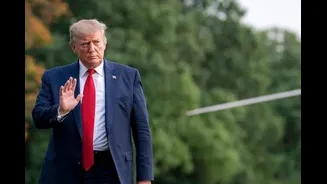
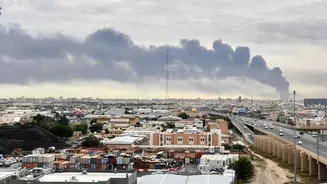
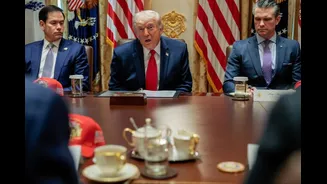
by Bloomberg. This came on the day when US President Donald Trump met senior officials at the White House Situation Room aiming to reach a deal to end the war in Iran. According to sources quoted in the report, the the Americans injured included contractors and active duty personnel, with minor injuries suffered after Kuwaiti air defenses struck an incoming Fategh-110 missile. The attack also seriously damaged a pair of MQ-9 Reaper drones, which cost about $30 million as debris fell on the Ali Al Salem air base. Located about 20 miles from the Iraqi border, the base hosted US troops during Operation Iraqi Freedom.
Status of US-Iran Peace Talks
Earlier on Friday, Trump said on social media that he was prepared to make a "final determination" on a preliminary agreement aimed at extending the ceasefire. US officials confirmed on Thursday that negotiators had reached a memorandum of understanding (MOU) that would extend the truce by 60 days and provide a framework for further talks on Iran's nuclear activities, pending presidential approval.
However, senior administration officials later appeared to play down suggestions that an agreement had been finalised.
Treasury Secretary Scott Bessent declined to acknowledge that a tentative deal had been reached, while Vice-President JD Vance told reporters that negotiators were still "going back and forth on a couple of language points".
Bessent later outlined what he described as three "red lines" for any agreement: reopening the Strait of Hormuz, relinquishing highly enriched uranium and ending Iran's nuclear programme.
Questions Over Key Demands
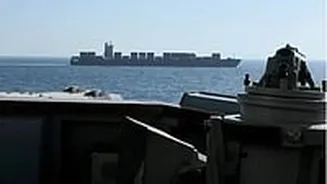
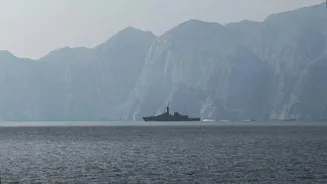
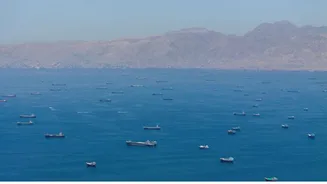
The Trump administration's public position on some of those issues has shifted in recent weeks. Trump previously suggested that the United States and Iran could jointly oversee shipping traffic through the Strait of Hormuz. More recently, he said no single country would control the waterway and that the United States would instead "watch over" it.
On Iran's nuclear programme, the president initially insisted on a permanent suspension. He later told reporters that a 20-year halt would be "enough".
Bessent, while speaking in California on Friday, said the United States could consider easing some sanctions on Iran depending on developments in the current standoff.
Iranian officials have offered few details about the negotiations. State media reported on Friday that the memorandum of understanding had not yet been finalised and had undergone changes in recent days.
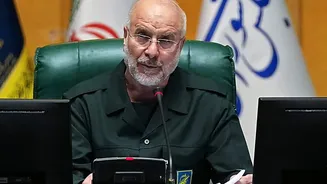
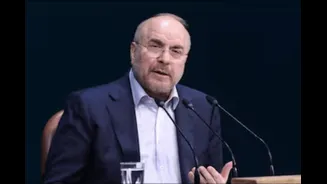
Iranian Parliament Speaker Mohammad Bagher Ghalibaf expressed scepticism about the process, saying Iranian authorities had "no trust in guarantees or words" and that "no action will be taken before the other side acts".
The negotiations come as the conflict between the United States and Iran enters its fourth month. Trump has repeatedly said he will not be pressured into accepting an agreement he considers inadequate, while rejecting suggestions that the military campaign has become the kind of prolonged conflict he has often criticised.
The President has previously described the operation as an "excursion", but the fighting has continued well beyond the four- to six-week timeline initially projected by some officials.
Recent opinion polls have indicated public concern over the conflict, while rising petrol prices have added to broader economic worries.