


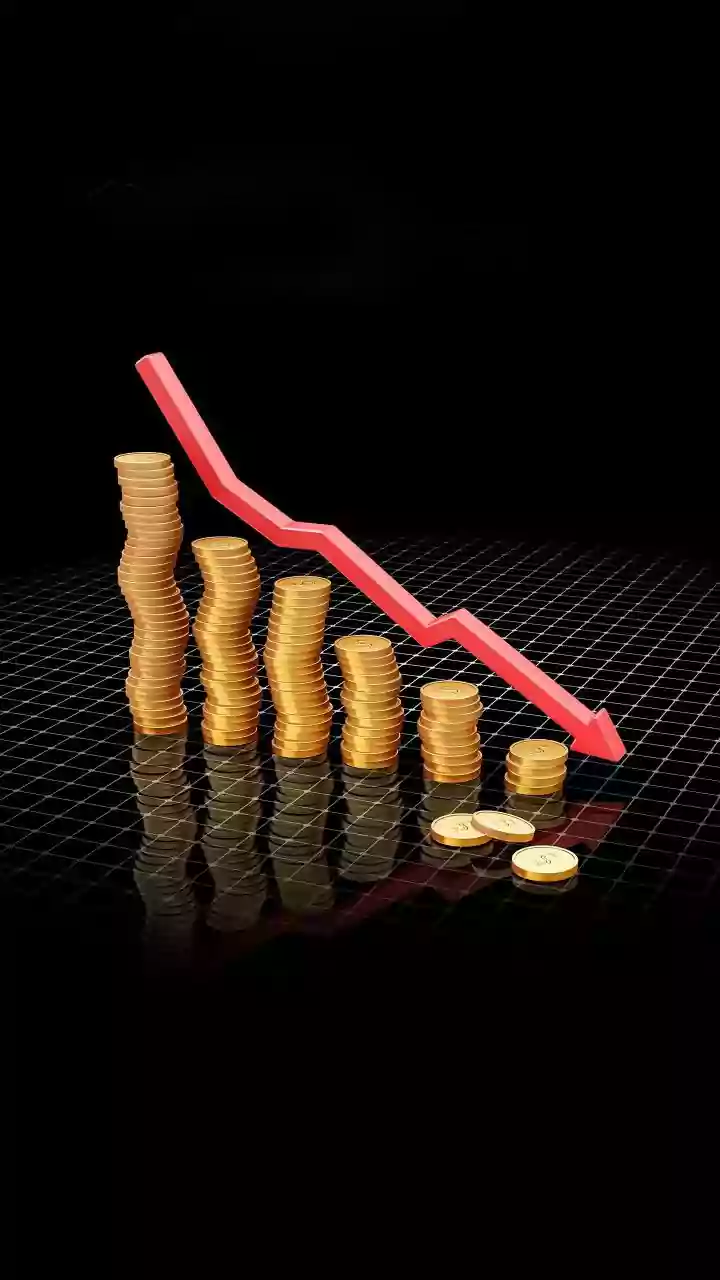





India's appetite for gold moderated during the April-June quarter of 2026, with overall demand declining 6 per cent year-on-year, according to the World
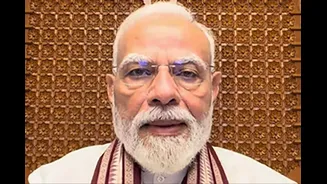
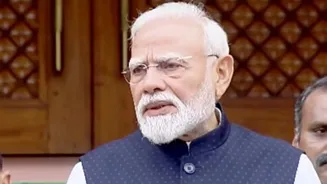
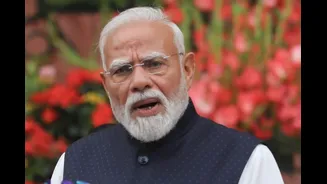
Gold Council (WGC). Seasonal weakness in jewellery purchases, higher Customs duty and Prime Minister Narendra Modi's call to curb non-essential gold buying weighed on consumption, even as the overall value of demand touched an all-time high due to elevated prices. The WGC's 'Q2 2026 Gold Demand Trends' report showed that India's total gold demand stood at 131.4 tonnes during the quarter, compared with 139.7 tonnes in the same period last year. Although the quantity of gold purchased declined, consumers spent more on the precious metal as prices remained elevated. "However, it's been a record in terms of the value of demand. So, consumption was Rs 1,98,100 crores, compared with Rs 1,32,500 crores in the same period in 2025, which is up by 50 per cent compared to the second quarter of 2025, highlighting that consumers continue to prioritise gold even in a high-price environment," WGC Regional CEO, India, Sachin Jain told PTI. Looking ahead, the World Gold Council expects India's annual gold demand to remain within the 650-750 tonne range. "We still see demand in the range of 650 to 750 tonnes for this year. However, given the current geopolitical landscape, interest rates, and inflation, I think we should be somewhere in the middle of this range. If there is more correction in gold prices and the customs duty is reduced, then we could get to the upper end of this range," Jain added. Jewellery Demand Weakens As Customs Duty Rises Demand for gold jewellery recorded a sharper decline than overall consumption. Jewellery demand dropped 15 per cent year-on-year to 75.1 tonnes, down from 88.8 tonnes in the April-June quarter of 2025. According to Jain, multiple factors contributed to the slowdown. "Subdued season, the clarion call of the Prime Minister to buy less gold and hike in Customs Duty, among others, impacted the demand," he added. Prime Minister Narendra Modi had, in May this year, urged citizens to reduce non-essential purchases of gold and consider alternative avenues of savings to help contain the country's rising import bill amid volatile global crude oil prices. The WGC also highlighted concerns over illegal trade following the increase in import duty. "We think smuggling and illicit gold making way into the market is the biggest risk to the industry, and we are already getting reports on this. We will be tracking this in the coming quarters," he added. Investment Demand Stays Strong Despite Market Challenges While jewellery purchases slowed, investment demand continued to show resilience. Demand for gold bars and coins increased 9 per cent year-on-year to 50.3 tonnes. At the same time, Indian Gold ETFs recorded 4.2 tonnes of net inflows even as global ETFs experienced outflows. "These trends reinforce gold's growing appeal not only as a traditional store of wealth but also as a strategic investment that provides stability and diversification in an increasingly uncertain economic environment. Looking ahead, the festive and wedding season in the second half is expected to support demand. While elevated prices may continue to influence buying patterns, Indian consumers have consistently demonstrated their ability to adapt," Jain said. The report also noted that recycled gold volumes declined 17 per cent to 19.2 tonnes during the quarter, compared with 23.1 tonnes a year ago. Gold imports into India fell 23 per cent to 98.1 tonnes, down from 127.4 tonnes in the corresponding period last year. Meanwhile, the average international gold price climbed to $4,506.3 per ounce during the April-June quarter, up from $3,280.4 per ounce a year earlier. In India, the average quarterly gold price (excluding import duty and GST) rose sharply to Rs 1,50,744.8, compared with Rs 94,875.9 in the same period of 2025. (with agency inputs)