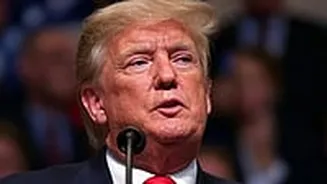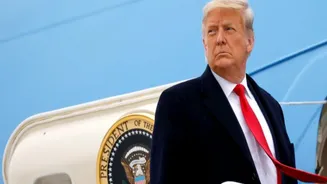



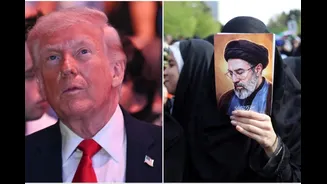
Washington DC: Donald Trump on Tuesday (April 14) signaled the possibility of a second round of talks with Iran. Reports now surfaced that Trump has set
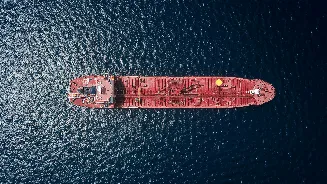
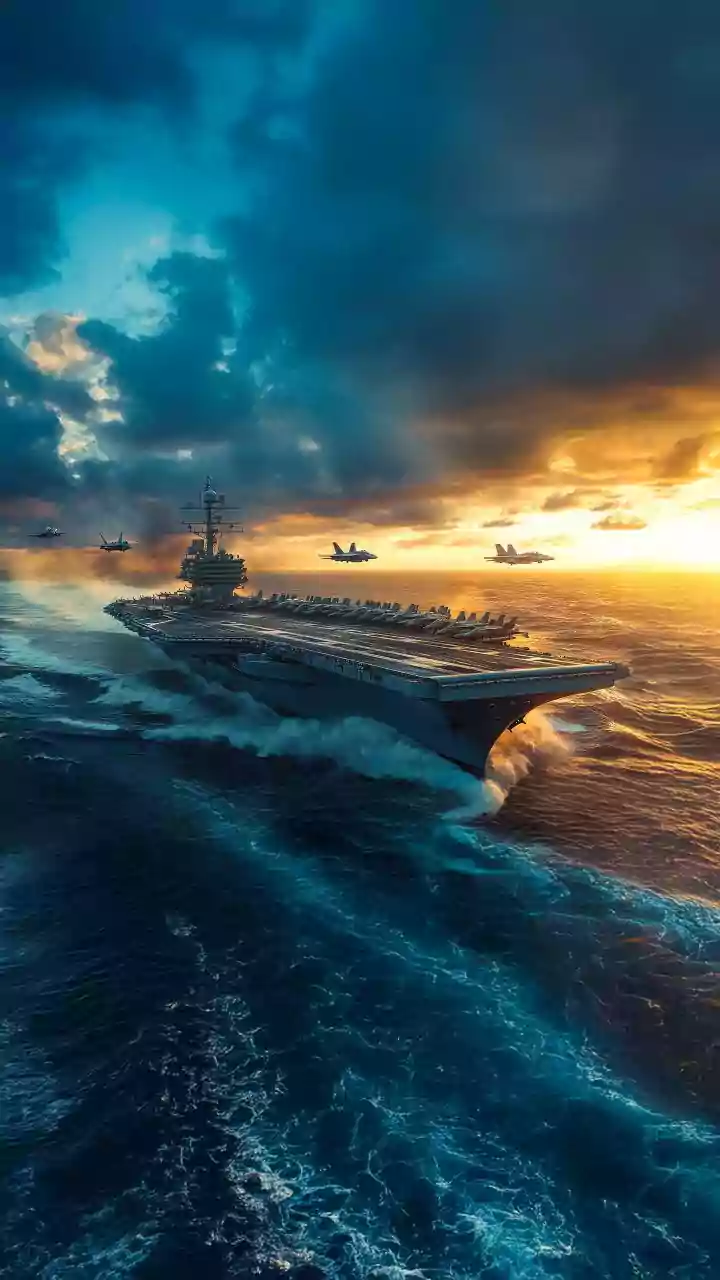
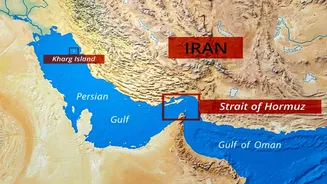
two conditions before the second round of peace talks. The US President's remarks came as the two-week ceasefire is nearing its end. The first round of talks was held in Pakistan's Islamabad on April 11. What Are The Two Conditions Set By Trump: The US President demanded that Iran's Islamic Revolutionary Guard Corps (IRGC) fully reopen the Strait of Hormuz and Tehran's delegation taking part in the talks should have full authority from the IRGC to finalise the peace agreement, reported Israel Hayom. As per the report, the US will open and not allow the movement of Iranian ships if the IRGC applies restrictions in the Strait of Hormuz. On Tuesday, speaking to the New York Post, Trump said US and Iranian officials could meet within the next two days, with Islamabad emerging as a likely venue. Referring to Hotel Serena, which hosted the first round of talks on April 11, Trump hinted at a return to the same location. “You should stay there… something could be happening over the next two days, and we’re more inclined to go there,” he said. "It's more likely, you know why? Because the field marshal is doing a great job." Also Read: 15 Warships, F-35B Lightning II Jets, Ospreys: How US Enforces Hormuz Blockade Rift In Iranian Regime? As per the Israeli media report, there is a rift between the Islamic regime, including President Masoud Pezeshkian and Foreign Minister Abbas Araghchi and the IRGC. It further claimed that two senior IRGC members, Ahmad Vahidi and Ali Abdollahi,, did not approve the delegation that went to Pakistan for talks Meanwhile, Pezeshkian backed Iranian parliament speaker, Mohammad Bagher Ghalibaf for talks US Naval Blockade: The US enforced a naval blockade in the Strait of Hormuz with the deployment of at least 15 warships. The US also deployed amphibious assault ship USS Tripoli (LHA 7). This amphibious ship is operating F-35B Lightning II stealth fighters and MV-22 Ospreys in the Arabian Sea. The US Central Command, which supervises operation, confirmed on Monday night that the blockade started at 1400 GMT.
The US military on Monday also gave details about boundaries of its Strait of Hormuz blockade. It said that the blockade would extend east to the Gulf of Oman and Arabian Sea.