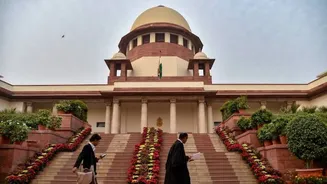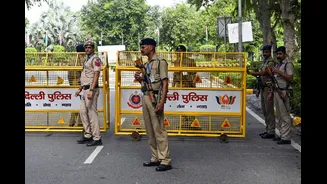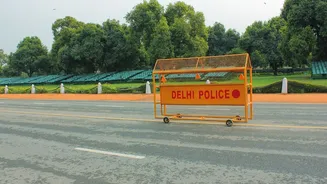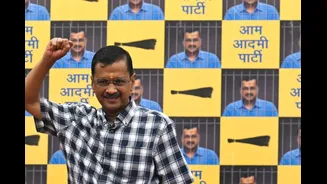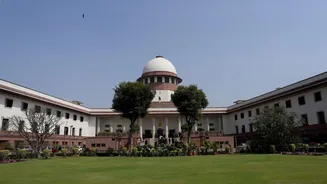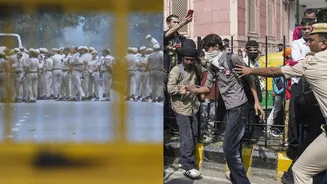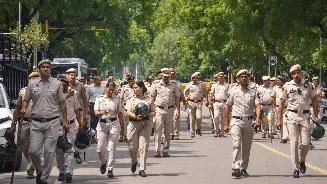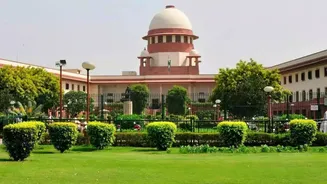







New Delhi: The Supreme Court on Sunday sought clarity from authorities over the closure of metro stations in Delhi ahead of the Cockroach Janta Party (CJP)-led
protest against Chief Election Commissioner Gyanesh Kumar. The court also directed authorities to restore normal internet services immediately. The bench questioned why 57 metro stations were initially slated for closure and why the number was reduced to 45 after the court’s earlier order. It asked authorities to explain the criteria and reasoning behind deciding which stations should remain open and which should be shut. The Supreme Court said metro services should function according to their normal schedule, subject to public order. It also said no lawyer should be prevented from discharging their professional duties.
CJP Protest Row: 5 Key Directions And Questions From The Supreme Court
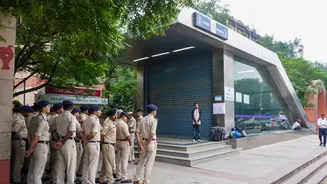
- Why Were 57 Metro Stations Initially Marked For Closure? The Supreme Court sought clarity on why the number was reduced to 45 after its earlier order.
- What Is The Criteria For Closures? The bench questioned the rationale behind deciding which metro stations should remain open and which should be shut.
- Metro Services To Follow Normal Schedule: The court said metro services should function according to their normal schedule, subject to public order.
- Lawyers Must Not Be Hindered: The court said no lawyer should be prevented from discharging their professional duties.
- Restore Normal Internet Services Immediately: The Supreme Court directed authorities to restore normal internet services without delay.
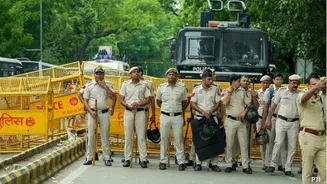
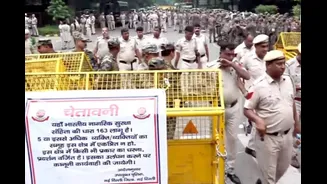
The court's observation came while hearing a plea seeking contempt proceedings against authorities over alleged violations of its earlier directions concerning restrictions on metro and train services in Delhi ahead of the CJP protest.
The plea was filed by advocate Shailendra Mani Tripathi and names Union Home Secretary Govind Mohan, Delhi Police Commissioner Anurag Kumar and Delhi Metro Rail Corporation chairperson D Thara as respondents.
The petition refers to the Supreme Court’s October 9 order, passed while hearing a separate challenge to metro station closures and train cancellations ahead of the protest. The court had directed the authorities to ensure there was no “complete prohibition” on movement.
The CJP had planned the protest at Jantar Mantar to demand the resignation of Chief Election Commissioner Gyanesh Kumar over alleged irregularities in the Special Intensive Revision (SIR) of electoral rolls.