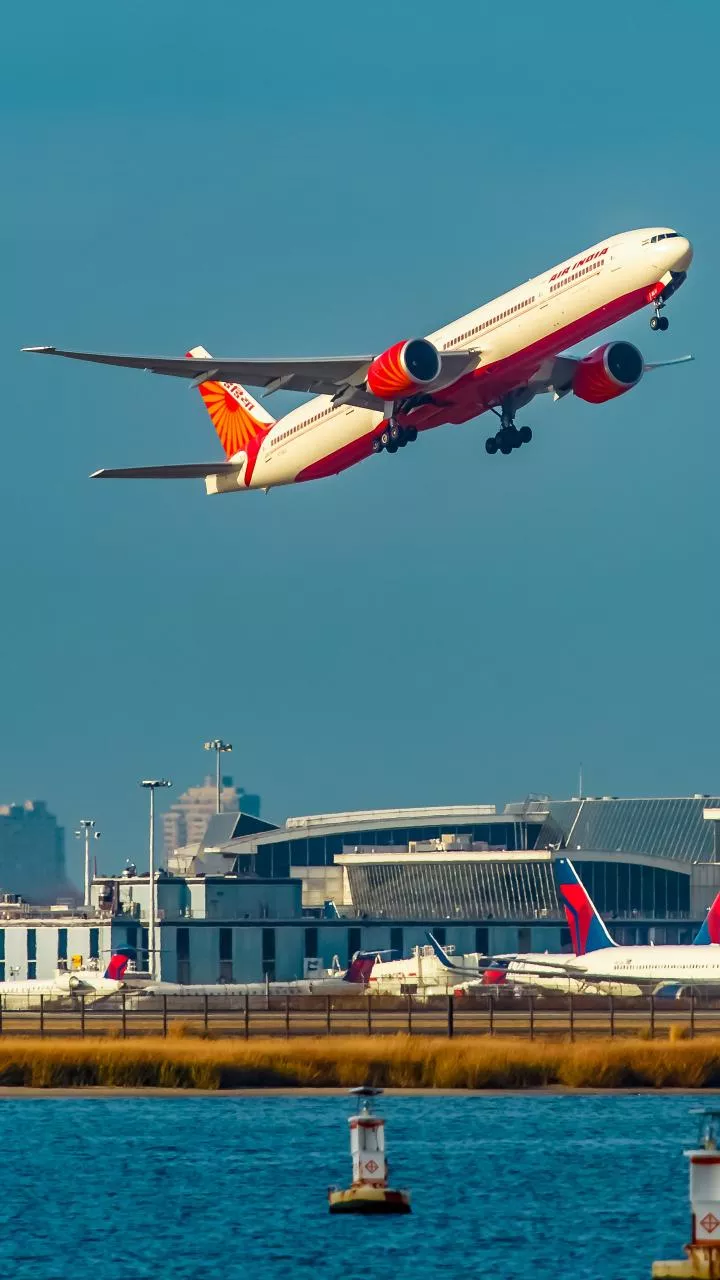







The Air India Group has urged the Airports Economic Regulatory Authority (AERA) to reconsider the proposed tariff structure for the upcoming Navi Mumbai
International Airport (NMIA), raising concerns over elevated landing charges, cargo rates and key provisions under the Variable Tariff Plan (VTP). According to the letter submitted by Air India to AERA, assessed by Times Now, Air India said that splitting operations between Mumbai’s existing Chhatrapati Shivaji Maharaj International Airport and the new Navi Mumbai airport would increase costs and reduce operational efficiencies, especially in the initial years when traffic volumes at NMIA are still building up. One of the central issues raised in the letter relates to landing charges. Air India noted that NMIA’s proposed landing charges are substantially higher than those at Noida International Airport (DXN), by 84% for domestic flights and 113% for international flights in FY27. The group urged AERA to rationalise the charges to align them more closely with peer airports. Air India strongly supported NMIA’s Variable Tariff Plan (VTP) aimed at encouraging route development, but recommended enhancements to ensure long-term viability. The airline proposed extending VTP incentives to three years for new international routes under 5,000 km and for long-haul routes shifted from Mumbai to Navi Mumbai. It also suggested introducing VTP benefits for new or shifted domestic routes, which are currently not covered. Further, the group recommended a frequency-based VTP model applicable to both new routes and those shifted from Mumbai, similar to models implemented at other international airports. The airline also objected to differentiated User Development Fee (UDF) charges based on cabin class. It advocated for a common UDF across First, Business, and Economy classes, arguing that differentiated charges do not necessarily translate into differentiated services at the airport level. Air India flagged proposed cargo operating expenses of ₹8,000 per tonne as being significantly higher than benchmark rates of ₹4,500–5,500 per tonne at comparable airports. It also recommended limiting annual escalation to 5–7.5%, instead of the proposed 10%. The letter noted that NMIA’s Yield Per Passenger (YPP) is already almost double that of Noida International Airport, raising concerns that higher charges could ultimately burden passengers.