




What is the story about?
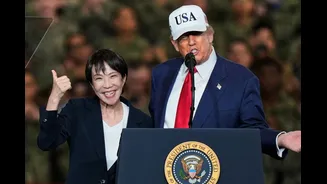
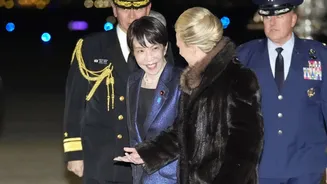
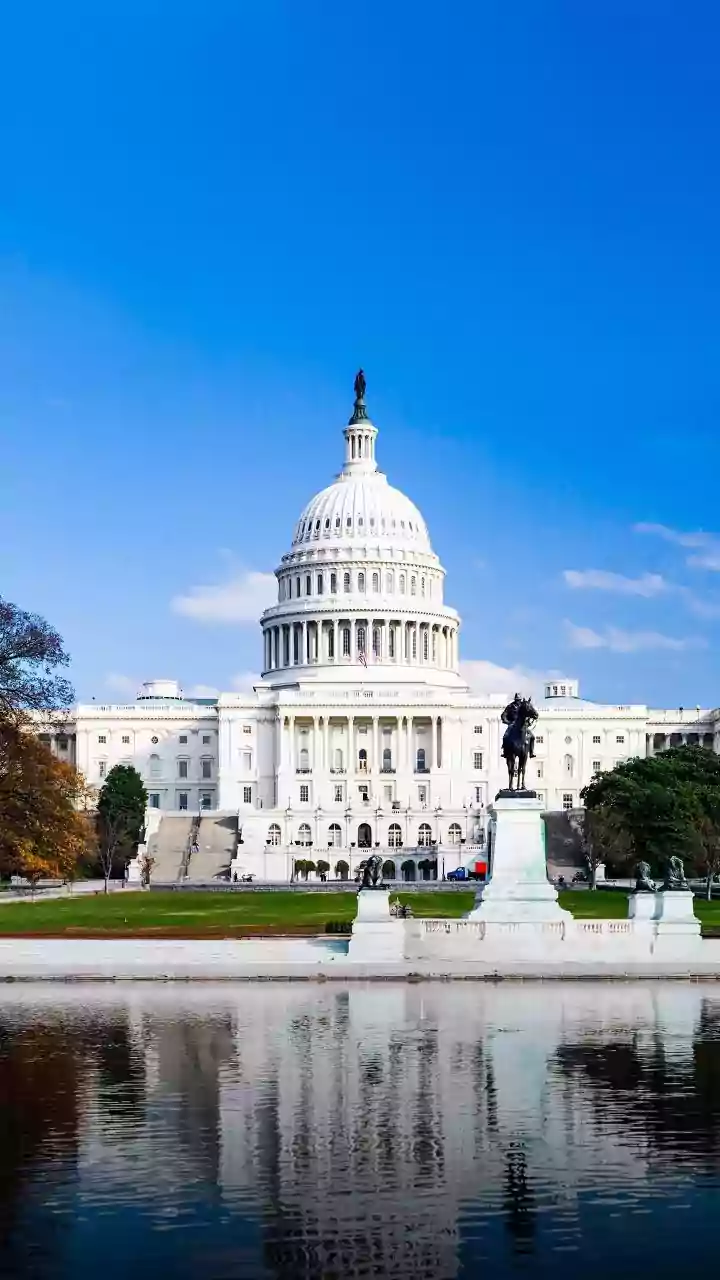
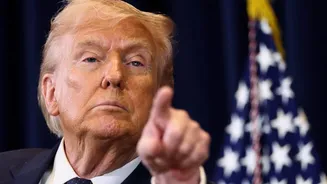
Japanese Prime Minister Sanae Takaichi is set to meet with U.S. President Donald Trump at the White House on Thursday. This meeting comes as tensions escalate
due to the ongoing conflict in Iran and Trump's calls for international support to secure the Strait of Hormuz. The meeting's significance has increased following delays in Trump's trip to China, as he seeks to address Japan's role in regional security. Takaichi anticipates a challenging discussion regarding Japan's military involvement in the Middle East.
Trump's Demands for Support
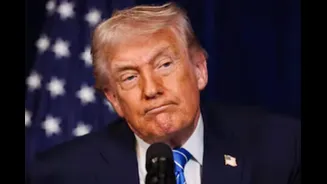
President Trump has voiced frustration over Japan and other allies' reluctance to assist in safeguarding the vital Strait of Hormuz, a critical passage for oil and gas shipments. He expressed his discontent through social media, stating, “In fact, speaking as President of the United States of America, by far the Most Powerful Country Anywhere in the World, WE DO NOT NEED THE HELP OF ANYONE!” after Japan's response to his request.In anticipation of her meeting, Takaichi acknowledged the difficulties that lie ahead, noting that her government has not received any official requests from Washington for Japanese warships to participate in U.S. operations in the region.
Strategic Interests and Military Constraints
As a key ally of the United States in Asia, Japan faces constraints on its military engagement due to constitutional provisions that limit the use of force to self-defense. Takaichi's administration has indicated that Japan could contribute to mine-sweeping efforts in the area, although any significant military involvement would require overcoming substantial political hurdles.Kurt Campbell, a former U.S. deputy secretary of state, noted the high stakes of this meeting, emphasizing that Takaichi aims to portray Japan as a partner in U.S. plans concerning the Middle East. He remarked, “She’s going to want to come out of that as a partner in this case and realize that if she can do that, that she can translate that potentially into the president listening more to Japanese concerns about Taiwan or other issues.”
Focus on Indo-Pacific Security
Takaichi, Japan's first female prime minister and a staunch supporter of Taiwan, aims to strengthen the U.S.-Japan alliance while addressing security concerns in the Indo-Pacific region. Japanese officials have indicated that trade and cooperation on critical minerals and energy will also be central topics during her discussions with Trump.The backdrop of these discussions includes Japan's increasing military capabilities, particularly in response to perceived threats from China, which has expressed intentions to assert control over Taiwan. Takaichi is expected to raise concerns about U.S. troop shifts from Japan to the Middle East, which could weaken deterrence against China.
Geopolitical Implications
Analysts suggest that the outcomes of Takaichi's meeting with Trump could have far-reaching implications for Japan's foreign policy and its relationship with the United States. The current geopolitical climate, influenced by the war in Iran and China's military exercises near Taiwan, adds complexity to Takaichi's position as she seeks to balance Japan's security interests with U.S. expectations.Christopher Johnstone, a defense and national security expert, noted that this meeting occurs at a critical juncture for both nations. He emphasized that Japan's response to the U.S. demands will significantly impact the broader regional security dynamics.