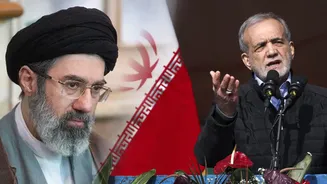








Fresh questions have emerged over Iran's internal political dynamics after an Israeli media report claimed Supreme Leader Mojtaba Khamenei has delivered
what it described as a "final ultimatum" to President Masoud Pezeshkian, warning that any future resignation would be accepted. Iranian officials have strongly rejected the report, but it has nevertheless fuelled speculation over growing tensions inside Tehran's leadership as the country navigates its confrontation with the United States. According to Israeli broadcaster Channel 14, citing sources familiar with developments in Tehran, Khamenei informed Pezeshkian that if he again offered to resign, the request would no longer be rejected. The report suggested that such a move would effectively remove one of the president's principal political pressure tactics during disagreements with Iran's senior leadership. Times Now Digital has not independently verified these claims.
Report Claims Growing IRGC Influence In Tehran
Channel 14 further alleged that Pezeshkian had threatened to resign on several occasions during policy disagreements involving national security and foreign affairs. The report claimed that in May, the Iranian president formally offered to step down after arguing that his administration had been largely excluded from major strategic decisions, particularly those relating to the ongoing regional conflict and relations with Washington.
The report also claimed that Khamenei has increasingly backed Islamic Revolutionary Guard Corps (IRGC) Commander Ahmad Vahidi on key strategic issues involving the United States. According to the Israeli broadcaster, Vahidi's hardline position has gained greater influence within Tehran's decision-making apparatus, with the report alleging that he now plays a central role in shaping Iran's approach towards Washington.
Indirect Contacts Continue Despite Public Denials
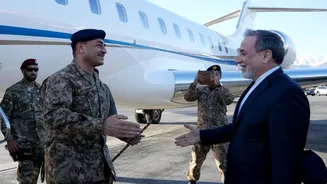
According to the report, no formal negotiations are currently taking place between Iran and the United States. However, it claimed indirect communication continues through Iranian Foreign Minister Abbas Araghchi and US special envoys, including Steve Witkoff and Jared Kushner, with Qatar and Pakistan reportedly facilitating contacts between the two sides.
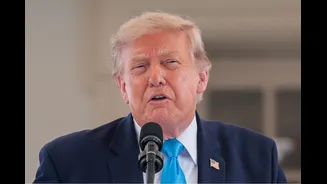
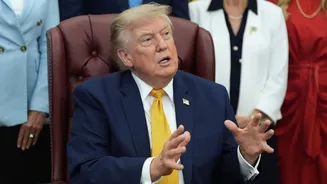
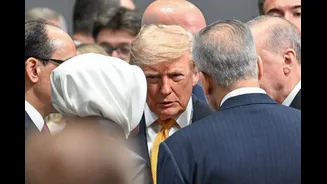
The report surfaced shortly after Trump publicly described the current diplomatic effort as Iran's "last chance" to reach an agreement with Washington. Speaking at the Oval Office, the US president said military action had been prepared before regional partners urged the United States to continue pursuing diplomacy.
"This is a last chance. This is not something that if it doesn't happen, this is a last chance for them to sign a good document," Trump told reporters. Trump further claimed the discussions were initiated at Tehran's request with support from Saudi Arabia, the United Arab Emirates and Qatar.
He also alleged that Iranian officials publicly deny holding talks despite what he described as repeated meetings between representatives of both countries, while stating that Washington had paused a planned military strike after regional allies called for additional diplomatic efforts.