






What is the story about?
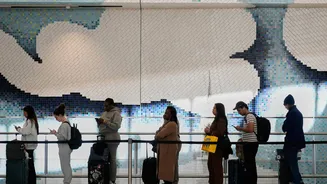
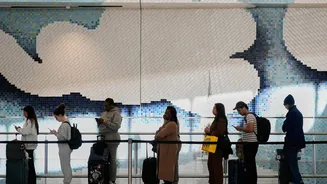
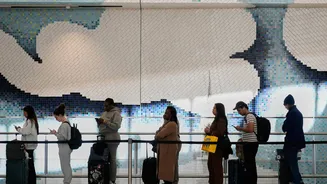
Travelers worldwide are facing increased fares, fewer flight options, and challenging decisions regarding travel costs. This shift is largely attributed
to the volatility of oil and jet fuel prices. The recent escalation in prices follows the outbreak of conflict in the Middle East, particularly around the Strait of Hormuz, which has disrupted global oil supplies and created uncertainty in the market.
Impact of Fuel Price Fluctuations
Industry experts highlight that the unpredictable nature of fuel prices complicates airline operations. Shye Gilad, a former airline captain and current educator at Georgetown University, stated, “Volatility is the real story here.” Airlines are adjusting their strategies, leading to significant changes in schedules and fare structures.Budget airlines are likely to be the first to feel the impact, with travelers in premium cabins also facing increased costs and reduced convenience. Oil prices recently fluctuated dramatically, peaking at over $119 a barrel before dropping below $95, only to rise again as geopolitical tensions persisted.
Airline Adjustments to Rising Costs
Delta Air Lines CEO Ed Bastian noted that higher fuel costs could lead to an additional $2 billion in operating expenses for the airline in the upcoming quarter. Similarly, United Airlines anticipates an increase of $11 billion in annual costs if fuel prices remain high.The International Air Transport Association reported that the average global jet fuel price surged to $209 per barrel last week, up from approximately $99 at the end of February. U.S. carriers have begun incorporating these costs into ticket prices and additional fees.
Major airlines like Delta and United have raised checked baggage fees and are modifying pricing strategies, shifting towards a “pay for what you want” model in their premium cabins.
Travelers' Responses to Cost Increases
As travel expenses rise, business travelers are reevaluating their plans. Bill Moorehouse, a solutions director, expressed concern about the unpredictability of travel schedules. “When you have business trips and you have a carefully coordinated schedule, you don’t want unknowns and disruptions,” he stated.Investment banker Richard Groberg mentioned that he is prioritizing early bookings to secure better fares, reflecting a growing trend among travelers to adapt to rising costs. He acknowledged that the decision to travel for work has become more complex due to increased airfare.
Future of Airline Operations
Airlines are also revising their flight schedules to manage costs effectively. BNP Paribas estimated a 5% reduction in global flight schedules for April, with significant cuts occurring in the Middle East and smaller reductions in Europe, Asia, and North America.United Airlines has announced a 5% cut in planned flights, targeting less profitable routes and temporarily suspending some international services. Delta has similarly reduced its capacity by 3.5% for the upcoming summer season.
Budget Airlines vs. Major Carriers
Major carriers are better equipped to handle fuel price spikes compared to budget airlines. Larger airlines can adjust pricing dynamically and manage capacity more effectively, while budget airlines may struggle due to their fixed low-cost models.Shye Gilad noted that leisure and budget-conscious travelers will likely feel the immediate effects of these changes, as fare increases may deter them from traveling altogether.
Personal Stories Reflecting Travel Challenges
Anna Del Vecchio, a Seattle resident, shared her experience of delaying a long-standing tradition of visiting family and friends due to soaring ticket prices. She remarked, “It might be the kind of thing where it just ends up being that I have to travel less.”As travel costs continue to rise, many travelers face difficult choices about their travel plans and budgets, reflecting broader trends in the aviation industry.