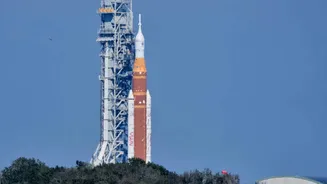
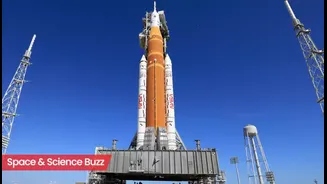
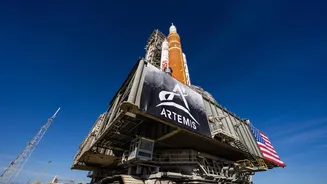
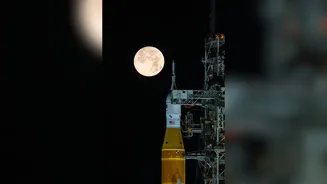
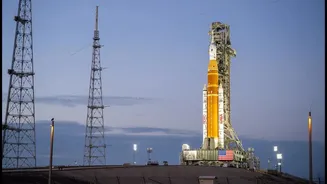
CAPE CANAVERAL, Fla. (AP) — NASA transported its Artemis moon rocket from the launch pad back to its hangar on Wednesday for further repairs. The slow
movement at Florida's Kennedy Space Center was anticipated to last the entire day. The 322-foot (98-meter) Space Launch System rocket had been positioned at the pad for a month in preparation for a potential launch but faced multiple significant issues, necessitating its return to the Vehicle Assembly Building, approximately 4 miles (6.4 kilometers) away.
Reasons for Relocation
The decision to rollback the rocket was made over the weekend after a malfunction in the helium pressurization system was detected. This setback followed a prior delay of one month due to hydrogen fuel leaks, causing the launch team to shift their target date to March for the astronauts' first trip to the moon in decades. However, the Artemis II lunar fly-around mission, which includes a U.S.-Canadian crew, is now postponed until at least April.
Astronauts' Engagement Amid Delays
In a notable public appearance, all four astronauts attended President Donald Trump's State of the Union address at the U.S. Capitol on Tuesday night. The postponement of their mission eliminated the need for them to remain in quarantine.
Context of the Artemis Program
The Artemis program aims to return humans to the moon, marking a significant milestone in space exploration. The Artemis II mission is designed to test various systems and prepare for future lunar landings, contributing to NASA's long-term goals for human exploration of Mars and beyond.