




What is the story about?
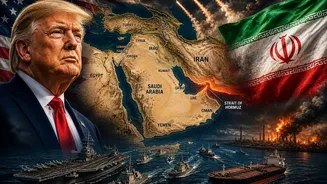
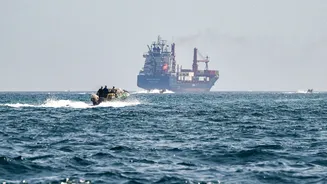
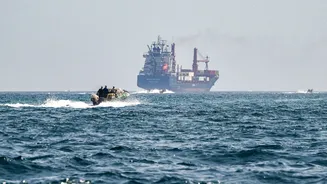
U.S. Central Command announced that its forces disabled two Iranian tankers attempting to breach an American blockade in the Gulf of Oman. The incident
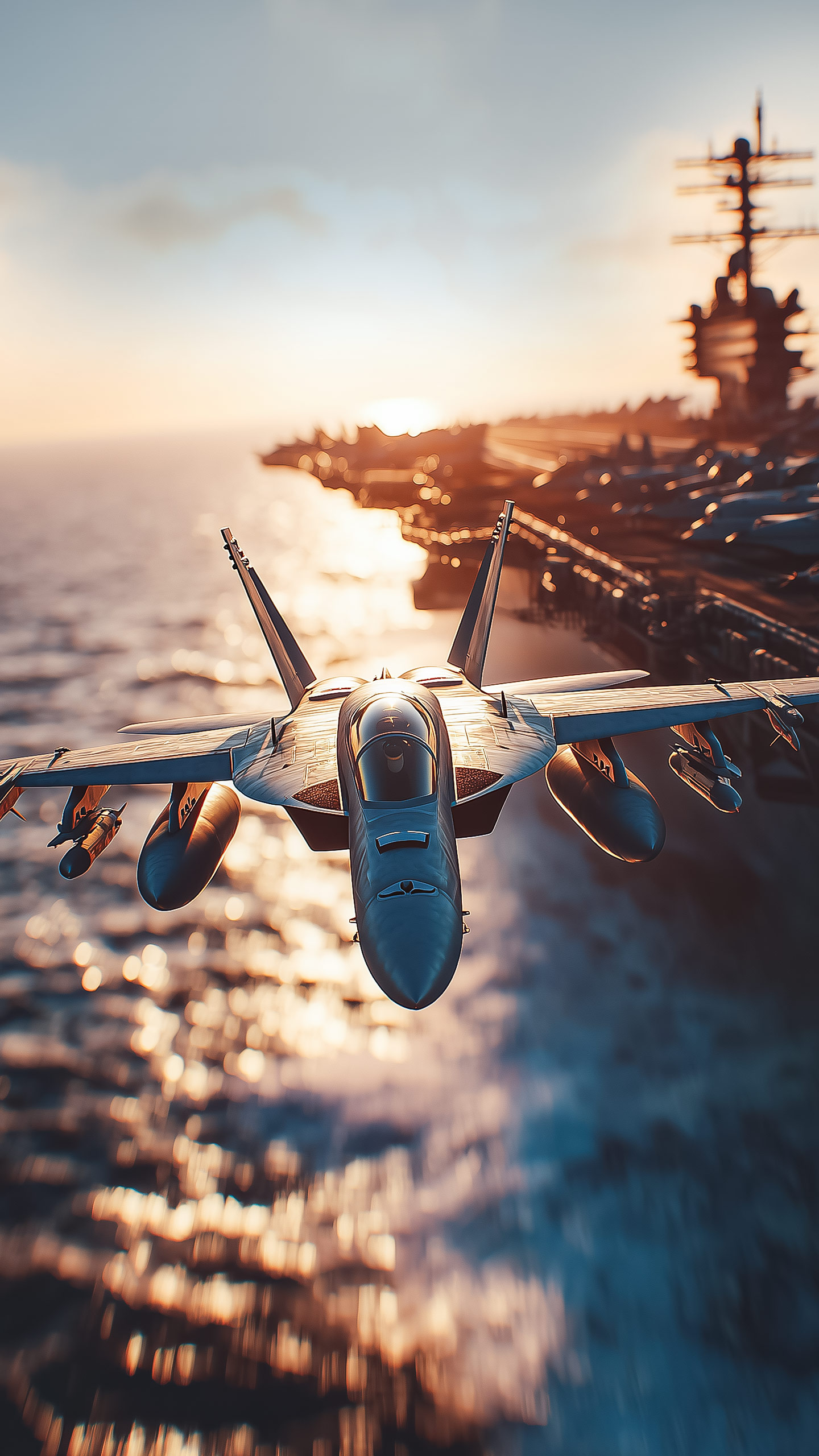
occurred when a U.S. Navy fighter jet fired at the smoke stacks of the vessels as they approached an Iranian port. This action follows a series of escalating tensions in the region, with the United Arab Emirates reporting a response to an Iranian missile barrage just hours after the U.S. engaged in a firefight with Iranian forces in the Strait of Hormuz, further complicating a fragile ceasefire that has been in place for about a month.
UAE Responds to Iranian Attacks
The United Arab Emirates’ Defense Ministry reported that three individuals sustained injuries during an engagement with two ballistic missiles and three drones launched from Iran. The extent of successful interceptions remains unclear, prompting authorities to advise residents to avoid any fallen debris.In the same timeframe, U.S. forces thwarted attacks on three Navy ships and conducted strikes against Iranian military facilities in the Strait of Hormuz. The Iranian blockade of this critical waterway has significantly impacted global energy supplies, contributing to rising fuel prices and instability in world markets.
U.S. Military Engagement and Political Reactions
President Donald Trump downplayed the recent military exchanges, referring to the U.S. strikes as a 'love tap' during a conversation with ABC. He reiterated that full-scale bombing could resume if Iran does not agree to terms aimed at reopening the Strait of Hormuz and curtailing its nuclear ambitions.In contrast, Iran's Foreign Ministry condemned the U.S. actions, labeling them a 'clear violation' of the ceasefire agreement. The situation remains tense as Washington awaits a response from Tehran regarding negotiations to conclude the ongoing conflict.
Escalating Maritime Control Concerns
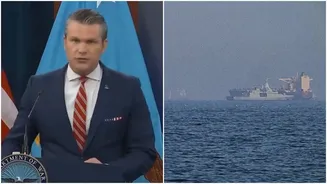
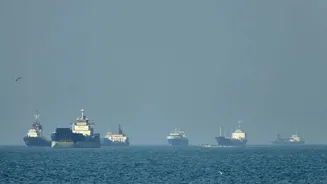
U.S. Secretary of State Marco Rubio emphasized the unacceptable nature of Iran's control over the Strait, where a new agency has emerged to regulate maritime traffic. Reports indicate that Iran has established the Persian Gulf Strait Authority, claiming exclusive authority over vessel permissions in the strait.This development raises significant concerns for international shipping, as many commercial vessels remain trapped in the Persian Gulf. Rubio questioned the global response to Iran's increasing control over such a vital international waterway.
Environmental Concerns Amid Military Conflict
Recent satellite imagery has revealed an oil slick in the Persian Gulf, originating from Kharg Island, Iran's primary crude export terminal. This spill, covering approximately 95 square kilometers, poses risks to sensitive marine ecosystems in the region.The Pentagon has refrained from commenting on whether the U.S. military is monitoring the spill or has conducted strikes on the Iranian island. The timing of the spill coincides with the latest military actions, although it appears to have begun prior to these events.
International Diplomatic Efforts
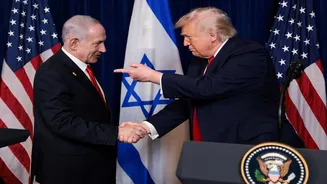
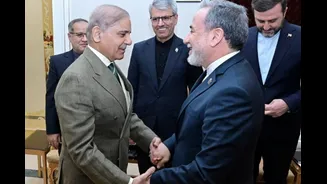
Pakistani Prime Minister Shehbaz Sharif revealed that his government has been in continuous dialogue with both the U.S. and Iran, striving to extend the ceasefire and facilitate a peace agreement. Additionally, discussions between Israel and Lebanon are set to resume next week in Washington.Despite ongoing diplomatic efforts, hostilities continue to threaten regional stability, with the ceasefire between Israel and Hezbollah also facing challenges amid persistent violence in southern Lebanon.