






Article 10 of the Islamabad Memorandum of Understanding has suddenly become central to the renewed Iran-US confrontation. Iran says the United States has explicitly
violated the provision by withdrawing temporary sanctions relief for Iranian oil exports, a move Tehran describes as a “clear and material breach” of the agreement signed on June 18. The accusation comes as US CENTCOM completed a new round of offensive strikes against Iran, hitting more than 80 targets and over 60 IRGC small boats. The stated aim was to cut Iran's ability to continue striking vessels moving through one of the world's most important trade corridors. Now, the ceasefire framework intended to stop the Iran War faces perhaps its most serious test since the Islamabad Peace Talks. The argument is, at its core, about oil and the commitments Washington made under the 14-point Islamabad MoU. Article 10 requires the US Department of the Treasury to issue waivers covering Iranian crude oil, petroleum products and associated services, including banking, insurance and transportation, until sanctions are terminated.
Statement by the Ministry of Foreign Affairs of the Islamic Republic of Iran on the United States' Explicit Violation of Article 10 of the Islamabad Memorandum of Understanding
July 8, 2026
(Unofficial Translation)
The Ministry of Foreign Affairs of the Islamic Republic of Iran… pic.twitter.com/IaON7Cv65K— Iran in India (@Iran_in_India) July 7, 2026
Iran's foreign ministry argues that revoking the temporary suspension cuts directly across that undertaking; Washington's latest action, therefore, is being treated by Tehran not simply as renewed economic pressure but as a breach of the peace framework itself.
What Is Article 10 Of The Islamabad MoU?
Article 10 deals specifically with restrictions on Iran's oil trade. Under the provision, the United States undertakes to provide immediate Treasury waivers for exports of Iranian crude and petroleum products, while extending that relief to services needed to move and finance those shipments. In practical terms, the clause was meant to prevent US sanctions from blocking oil sales, banking transactions, insurance cover and transportation during the period governed by the MoU.
Major MOU Violations by the US:
Violating Iranian adjustments in the Strait
Persistent threats of further strikes
Reinstating oil sanctions
Attacks on southern Iran
Continued Zionist aggression on🇱🇧
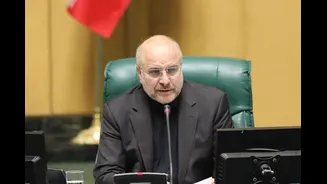
The era of bullying and extortion is over. It leads nowhere. We don’t fold.— محمدباقر قالیباف | MB Ghalibaf (@mb_ghalibaf) July 8, 2026
That distinction now matters. The provision did not itself permanently dismantle the wider US sanctions architecture; rather, it required Washington to suspend relevant restrictions through waivers while the interim framework remained in force. Iran says the US decision to revoke the temporary relief therefore removes a protection specifically written into Article 10.
The Iranian foreign ministry made that case directly in a statement dated July 8. It “strongly condemns the decision by the United States Department of the Treasury to revoke the temporary suspension of sanctions on Iran's oil exports”, the ministry said, calling the decision a “clear and material breach of Article 10 of the Memorandum of Understanding on the Cessation of War”.
Why Is Iran Accusing The US Of Breaking The Peace Deal?
Tehran's complaint centres on the timing as much as the Treasury decision itself. The Islamabad MoU was signed on June 18, while the General License cited by Iran was issued on July 3 and subsequently revoked less than three weeks after the broader agreement was concluded. Iranian officials say that sequence demonstrates Washington's unwillingness to maintain the commitments negotiated during the Islamabad Peace Talks.
“Less than twenty days after the signing of the Islamabad Memorandum of Understanding, the announcement revoking the General License issued on 3 July 2026 constitutes yet another unmistakable indication of the ill intent, inconsistency, and unreliability of the U.S. governing authorities,” the Iranian foreign ministry said. Those are Tehran's allegations, and the ministry has sought to place the Treasury action within what it describes as a wider pattern of American violations.
Iran also accused the United States of committing “minor and major violations” of other provisions in the MoU, either directly or through actions attributed by Tehran to Israel against Lebanon. The statement did not soften the warning that followed. Iran said it would take any measures it considered necessary to protect its “national interests and national security”.
Why Does Article 10 Matter To The Iran War Ceasefire?
The Islamabad Memorandum of Understanding is a 14-point interim framework intended to halt hostilities and create space for negotiations covering nuclear proliferation and regional security. Article 10 is important because it attaches an economic commitment to that wider cessation-of-war arrangement. For Iran, continued access to oil exports is consequently tied to the implementation of the MoU rather than being treated as a separate sanctions question.
This is where the dispute becomes more difficult. Tehran is effectively arguing that Washington cannot separate economic pressure from its ceasefire obligations when the agreement itself contains a provision dealing with oil sanctions. The US decision to withdraw relief is therefore being cited by Iran as evidence that the other party has failed to honour a written commitment.
Iran says it has implemented its own obligations under the agreement “in complete good faith”. Its foreign ministry accused the US Government of using “various pretexts” to justify violations while failing to meet American commitments. The ministry also said Washington would be held “fully responsible for the consequences arising from this breach of commitment”..