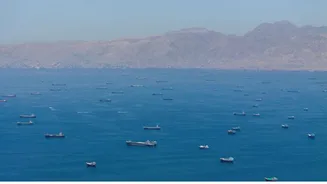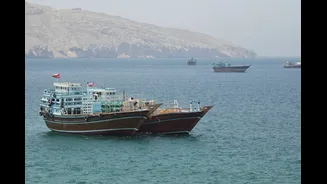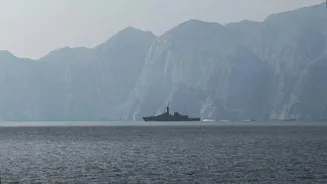







A gradual revival in shipping activity through the Strait of Hormuz is beginning to emerge, with vessel owners reportedly expressing growing confidence
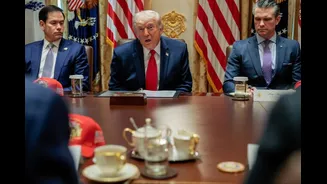
that traffic could return to more normal levels if security conditions continue to improve. Industry participants say an increasing number of ships have successfully navigated the strategically important waterway in recent days, encouraged by support and guidance from US military authorities as well as optimism surrounding ongoing diplomatic efforts between Washington and Tehran. According to a Bloomberg report citing shipowners familiar with recent voyages, American military officials have been providing commercial operators with navigational advice to help vessels move through the region more safely. While the US military is not escorting merchant ships, officials have continued to share information aimed at reducing risks for vessels passing through the narrow maritime corridor. A spokesperson for the US Central Command confirmed that military assets are not accompanying commercial vessels but said guidance and advisory support remain available to shipping companies operating in the area, according to the Bloomberg report. More Ships Re-Enter Key Trade Route Several market participants noted that some of the vessels completing the crossing belong to companies that had avoided the route since the conflict began. In addition to ships leaving the Persian Gulf, operators have also started sending vessels back into the region. The development is significant because the Strait of Hormuz serves as one of the world's most important energy and trade corridors, carrying substantial volumes of oil, natural gas and manufactured goods. Countries across the Gulf have continued limited shipping operations despite the tensions. The United Arab Emirates has maintained movements linked to its state-owned energy sector, while Qatar has quietly continued exports of liquefied natural gas to major international customers, as per the report. Some vessel operators have also adopted additional security measures, including switching off satellite transponders during voyages. As a result, publicly available tracking data may not fully capture the true number of ships currently using the route. Industry data indicate that at least one-quarter of the non-Iranian vessels stranded in the area since hostilities escalated have now exited the waterway, added the report. Ceasefire Talks Fuel Optimism Shipping markets are closely monitoring diplomatic discussions between the United States and Iran. Both sides have indicated that they are nearing an agreement that could extend a ceasefire for 60 days while opening talks regarding Tehran's nuclear programme, subject to approval by US President Donald Trump. The possibility of a broader de-escalation has encouraged many shipowners, although most remain cautious until details of any agreement become clear, states the report. Several industry executives said in the report that while moving ships out of the region may now be more feasible, many operators are still hesitant to send vessels into the Persian Gulf until there is greater certainty regarding long-term security conditions. TotalEnergies CEO Patrick Pouyanne said in the Bloomberg report that the company would seek evidence of a durable peace before resuming normal shipping operations into the Gulf. Industry leaders also see potential financial benefits if maritime traffic returns to normal. Tanker rates have already surged to some of the highest levels seen in decades due to the disruption. “We would expect, if you like, a frenzy phase to start with,” once Hormuz reopens, Gerasimos Kalogiratos, Chief Executive Officer of Capital Tankers Corp., said on an earnings call this week, according to the report. He added that tanker costs would stay high in the longer-term as global oil inventories refill barrels lost to the war.