



What is the story about?
Simple adjustments in the way fruits and vegetables are stored can significantly benefit both the environment and household budgets. Many food items spoil
quickly due to improper storage conditions rather than their inherent quality, with moisture and temperature playing critical roles in the degradation process.
Understanding Produce Spoilage
Produce does not merely spoil; it decomposes under specific environmental conditions. Each plant carries its own unique microflora, which includes various microorganisms that contribute to spoilage.Amanda Deering, an associate professor of produce food safety at Purdue University, noted, “This could be bacteria, yeast, molds, things like that.”
Delay Washing Produce
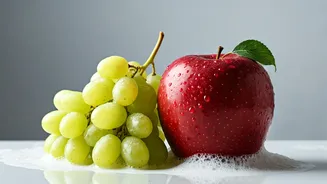
Washing fruits and vegetables before storage can introduce moisture that facilitates bacterial and fungal growth. Experts advise washing these items only before consumption to maintain their freshness.Utilizing paper towels in containers for berries or leafy greens can help absorb excess moisture, extending their shelf life. Additionally, cutting fruits and vegetables prior to storage can lead to increased spoilage.
Abbey Sharp, a registered dietitian, emphasized, “The big one is washing it and cutting it before storing it. This, of course, can leave a lot of excess moisture behind.”
Optimal Temperature and Space Management
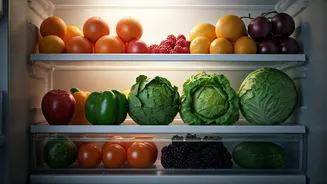
Storing produce at room temperature accelerates microbial growth. Refrigeration slows this process, but overcrowding the fridge can obstruct airflow and create inconsistent temperatures.Different types of produce require specific storage methods. For instance, herbs thrive when treated like flowers in water, while root vegetables like carrots benefit from being stored in water to retain their crunchiness.
Separation of Certain Produce Items
The location of storage impacts the flavor and longevity of produce. For example, tomatoes retain their best texture at room temperature, while whole garlic should be stored in a cool, ventilated area.Sharp cautioned, “You want to keep them away from one another because they actually can make each other spoil faster.” Mixing fruits at various ripeness stages can also lead to quicker spoilage due to the ethylene gas emitted by ripening fruits.
Recognizing Spoilage Signs
Misunderstandings about food safety contribute to food waste. The FDA estimates that confusion regarding food labeling results in about 20% of consumer food waste.Sharp clarified, “A little ugly is not the same as unsafe.” Many slightly wilted or soft fruits and vegetables are still safe for consumption, especially when cooked.
Clear spoilage indicators include visible mold, slime, leaking liquids, or strong odors, which signify that the food is no longer safe to eat.
Broader Environmental Impact
Food waste not only results in lost resources but also contributes to greenhouse gas emissions. Simple changes, such as purchasing only what is needed and freezing excess produce, can significantly reduce waste.“Household food waste represents probably the largest portion of food waste when we look at it across the whole supply chain,” stated Pete Pearson, a vice president at World Wildlife Fund.
He added, “It’s these small changes over millions and millions of people that can make a huge difference.”