





The Parliamentary Standing Committee on Communications and Information Technology is set to question representatives from Meta, X, Snapchat and Google
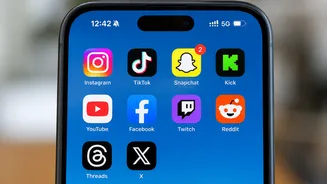
over content moderation, platform accountability and user safety on Monday. Lawmakers are expected to seek explanations over the temporary disruption of Prime Minister Narendra Modi's Facebook video, the delayed removal of violent and abusive content, and the effectiveness of existing moderation systems before finalising recommendations aimed at strengthening India's social media regulations. The panel has summoned representatives of major social media platforms today at 4 PM. The meeting was scheduled to convene to evaluate the broader framework of online safety, according to sources. The discussions primarily focused on three core areas: ensuring the digital safety of women and children, safeguarding the data privacy of farmers, rural residents, laborers, and general citizens, and assessing how social media platforms comply with government rules governing law and order. Announcing the summons earlier, BJP MP and chairperson of the Parliamentary Standing Committee Nishikant Dubey outlined the specific areas of inquiry for the digital platforms. "On 3 August 2026 at 4 PM, our Parliamentary Committee on IT and Communication has summoned Meta (Instagram, Facebook, WhatsApp), X (Twitter), Snapchat, and Google," Dubey stated. "How will the privacy of women, children, farmers, rural folks, laborers, and the general public be protected? How do these companies ensure the government's public order?" he added.
PM Modi's Gen Z video row
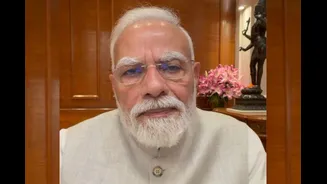
The development follows an incident involving Meta, when Prime Minister Narendra Modi's Facebook video addressing action against examination paper leaks was briefly removed from the platform before being restored.
In a statement, a Meta spokesperson said, "The content was removed in error and has since been restored," attributing the removal to a technical error.
The video, released on July 23, marked Prime Minister Modi's first direct address to Gen Z during the 36-day-long Cockroach Janta Party (CJP)-led agitation over the NEET-UG 2026 examination irregularities.
In the address, the Prime Minister assured students that the government would strengthen the legal framework against paper leaks, including setting up Special Fast-Track Courts and introducing stricter punishment through fresh legislation. The Centre subsequently introduced the Public Examinations (Prevention of Unfair Means) Amendment Bill, 2026, proposing imprisonment of up to 10 years, enhanced monetary penalties and Special Fast-Track Courts for offences under the Act.
The student agitation was called off on July 25 after Union Education Minister Dharmendra Pradhan resigned. The Centre also reached an understanding with the Cockroach Janta Party (CJP) and activist Sonam Wangchuk to withdraw cases against protesters, prevent police intimidation and bring stronger anti-paper leak legislation.
(With agency inputs)