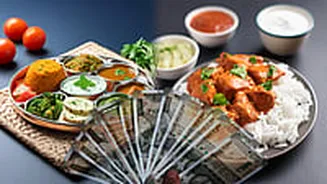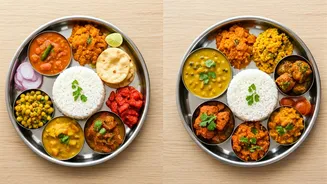








The overall cost of a home-cooked meal hasn’t dropped as much as households might expect, even as vegetable prices offered some relief. A recent report
from CRISIL shows a mixed trend in food expenses, with vegetarian thali costs and a slight dip in non-vegetarian plates. Despite fluctuations in individual ingredients, the cost of a vegetarian thali showed no change compared to last year. The reason lies in a balancing effect—while some items became costlier, others turned cheaper. The Crisil Roti Rice Rate (RRR) report tracks the average expense of preparing a thali across regions in India, factoring in key ingredients such as cereals, pulses, vegetables, spices, cooking oil, broiler chicken, and fuel. These shifts directly influence monthly household budgets. Why Vegetarian Thali Costs Stayed Flat Despite fluctuations in individual ingredients, the cost of a vegetarian thali showed no change compared to last year. The reason lies in a balancing effect, while some items became costlier, others turned cheaper. "The cost of a vegetarian thali remained stable year-on-year in March as lower prices of onions, potatoes and pulses offset the increase in tomato, edible oil and fuel costs. Tomato prices rose due to delayed transplanting in key regions, while onion prices fell because of a supply surplus, and weak demand weighed on potato prices," said Pushan Sharma, director of Crisil Intelligence. Tomato prices saw a sharp rise of 33 per cent year-on-year, largely due to delays in crop cycles in major producing states like Karnataka and Andhra Pradesh. On the other hand, onion prices dropped significantly due to excess supply from overlapping harvests and subdued export demand. Potatoes also became cheaper, reflecting weak demand from the hospitality sector and ongoing stock clearance. Non-Vegetarian Meals Get Slightly Cheaper For those consuming non-vegetarian food, there was a marginal decline in costs. The price of a non-vegetarian thali fell by around 1 per cent compared to last year. This drop was mainly driven by softer broiler chicken prices, which account for nearly half the total cost of such meals. Additionally, lower prices of onions, potatoes, and pulses contributed to easing overall expenses. On a month-on-month basis too, both vegetarian and non-vegetarian thali costs declined, supported by improved supply and weaker demand for certain food items. A seasonal dip in chicken consumption during Navratri further pushed prices down. Why Your Food Bill Still Feels High Even with some food items becoming cheaper, other rising costs are offsetting the relief. Edible oil prices increased by 6 per cent year-on-year due to global supply disruptions, while LPG cylinder prices surged by 14 per cent, adding to cooking expenses. According to Sharma, global factors are playing a major role in keeping prices elevated. "In the near term, geopolitical uncertainties are expected to keep vegetable oil prices high. Onion prices are expected to remain under pressure in the near term due to high arrivals and sluggish export demand." Higher crude oil prices, partly influenced by tensions in West Asia, have also pushed up edible oil costs globally, which has impacted domestic markets. At the same time, cautious buying by importers has tightened supply expectations. Looking ahead, onion prices may not stay low forever. A drop in production and damage to summer crops could gradually push prices up again, especially if exports pick up or government agencies step in.