







President Donald Trump’s renewed push to acquire Greenland could cost the United States between $500 billion and $700 billion, according to estimates developed
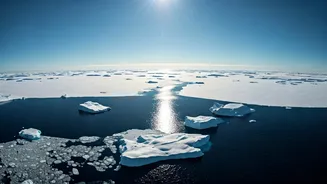
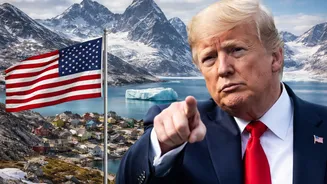
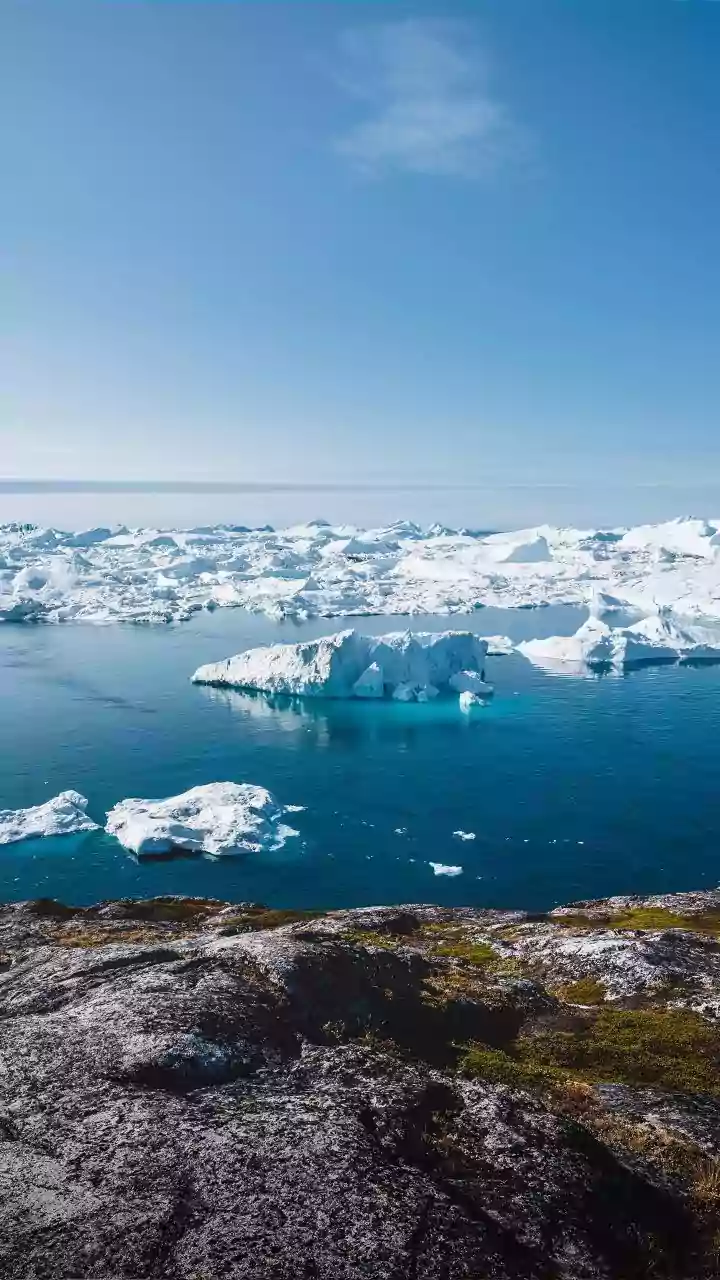
by scholars and former US officials familiar with internal planning discussions. The figure, roughly equivalent to more than half of the Pentagon’s annual budget, highlights the enormous financial stakes behind Trump’s ambition to bring the vast Arctic island under US control. The estimate was prepared as part of strategic planning around Trump’s national security priorities, with Greenland viewed as a crucial buffer in the Arctic against rivals such as Russia and China. The island spans about 800,000 square miles but has a population of roughly 57,000 people. Trump has repeatedly argued that acquiring Greenland is essential for US security, insisting recently that the US would obtain it “one way or the other.” Greenland is a semi-autonomous territory within the Denmark, and officials from both Greenland and Denmark have firmly rejected the idea that the island is for sale. Despite this, a senior White House official said Marco Rubio has been tasked with developing a proposal to purchase Greenland, calling the effort a “high priority” for Trump.
US officials have also explored alternatives to outright purchase. One option under consideration is a compact of free association, which would involve US financial assistance in exchange for an expanded security presence, similar to arrangements the US has with the Marshall Islands, Micronesia, and Palau. Such an agreement could be significantly cheaper than a direct purchase.
The US already maintains a military presence at Pituffik Space Base in Greenland, which hosts US Space Force personnel and radar systems used for early warnings of potential attacks from Russia. Under existing agreements, the US can already expand its military footprint without acquiring sovereignty over the island.
Some administration officials have floated the possibility of using military force, though others see diplomacy or economic pressure as more likely. The rhetoric has alarmed European allies and sparked bipartisan concern in Congress, where lawmakers have introduced legislation to block the Defense Department from using funds to assert control over the territory of a NATO member without authorization.
Denmark’s Response To Trump’s Greenland Endeavours
Danish and Greenlandic leaders have responded with unequivocal opposition. Greenland’s foreign minister, Vivian Motzfeldt, said in Washington that Greenland does not want to be “owned by, governed by or part of the United States,” stressing that it chooses to remain within the Kingdom of Denmark.
Danish Prime Minister Mette Frederiksen has warned that any attempt to take Greenland by force would severely damage NATO. While Denmark has indicated openness to allowing a stronger US military presence, it has made clear that Greenland’s sovereignty is non-negotiable. An independent poll last year showed that about 85% of Greenlanders oppose becoming part of the United States.