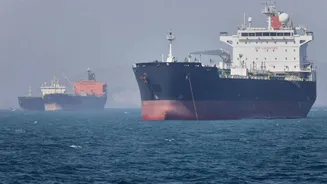






Admiral Brad Cooper, the CENTCOM commander, says US forces have cleared mines from the internationally recognised traffic lanes of the Strait of Hormuz,
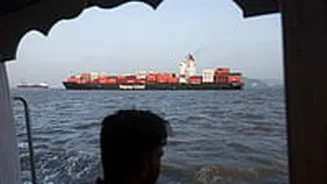
after months of operations involving Navy divers, SEALs and air power. According to the CENTCOM account, nearly 1,500 vessels have been escorted through the waterway, carrying close to 750 million barrels of oil. The claim comes as Iran and Oman pursue a separate framework to establish a temporary shipping corridor through the strategic waterway. Their discussions include a possible joint project to clear mines, meaning two different approaches to reopening Hormuz are now emerging while commercial shipping remains heavily disrupted by the Iran War.
U.S. Central Command (CENTCOM) has released a new video update from Adm. Brad Cooper, announcing that U.S. forces have cleared an international shipping channel of mines and declared the Strait of Hormuz open.
According to Cooper, U.S. forces have assisted more than 1,500… pic.twitter.com/ImHGhOCmAD— OSINTdefender (@sentdefender) August 28, 2026
CENTCOM Says Navy Cleared Hormuz Mines
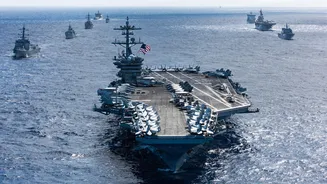
According to Cooper's account, US naval and special operations personnel have spent months working to clear mines allegedly laid by Iran's Islamic Revolutionary Guard Corps (IRGC). The operation has involved Navy divers, SEALs and supporting air power, with US forces subsequently escorting commercial vessels through the recognised shipping lanes.
CENTCOM says the operation has allowed almost 1,500 vessels to leave the region carrying around 750 million barrels of oil. Its account also says 75 ships were turned back and three were disabled during the wider disruption to maritime traffic.
The scale of the operation highlights the difficulty of restoring shipping through a narrow waterway where even a limited mine threat can have consequences well beyond the immediate area. For commercial operators, the question is not simply whether a channel has technically been cleared, but whether ships, crews and insurers regard the route as safe enough to use.
Iran's exports, meanwhile, have reportedly remained at zero since mid-July, according to the supplied account. That has added pressure around the reopening of the waterway, which remains critical to energy shipments moving out of the Gulf.
Iran, Oman Push Separate Shipping Corridor
Against that backdrop, Iran and Oman have been working on their own proposal for reopening maritime traffic. The two countries recently discussed a phased framework involving a temporary shipping corridor and a possible joint project to clear mines from the Strait of Hormuz.
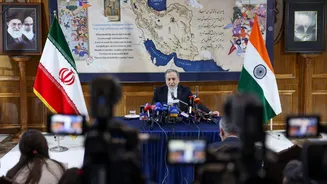
The framework was discussed during talks between Iranian Foreign Minister Abbas Araghchi and Omani Foreign Minister Badr bin Hamad Al Busaidi in Tehran. Their discussions also covered navigation, maritime traffic management, information-sharing and security arrangements.
Al Busaidi said he was hopeful that Iran and Oman would soon announce a temporary corridor. He added that a permanent solution and discussions over the future administration of the strait would follow, with consultations involving other regional countries.
That creates two parallel tracks for the reopening of the waterway. The US-led approach is based on military mine clearance and escorted shipping, while the Iran-Oman framework envisages a jointly managed temporary corridor followed by negotiations over a longer-term arrangement.
Qatar has also supported the diplomatic effort between Iran and Oman, with its foreign minister discussing the proposed temporary corridor with Araghchi. The involvement of Gulf states could become significant if the temporary arrangement develops into a wider regional maritime mechanism.