




Russia is considering an escalation of its attacks on Ukraine after concluding that efforts to negotiate a peace deal have reached a dead end, according
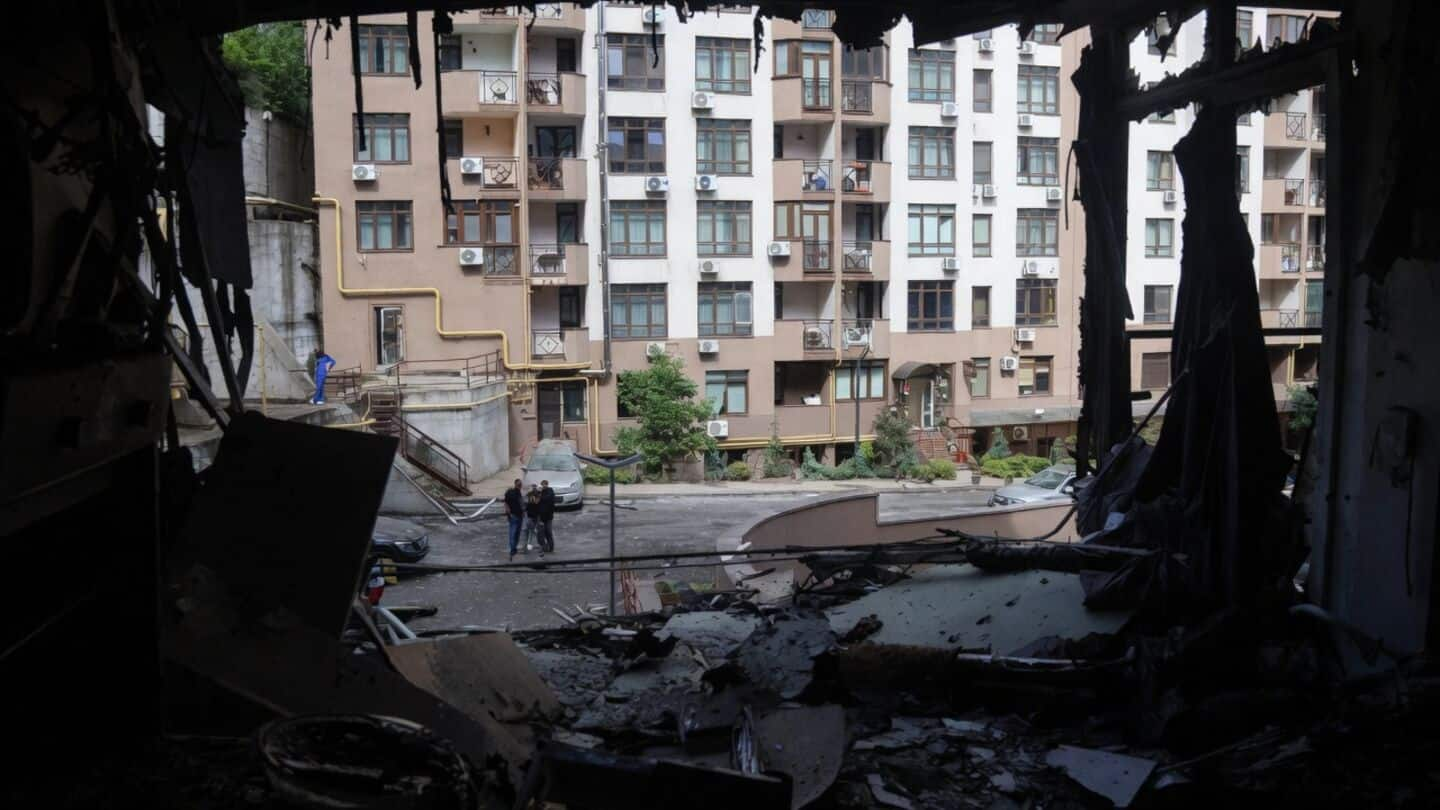
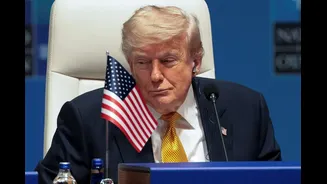
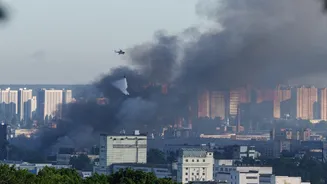
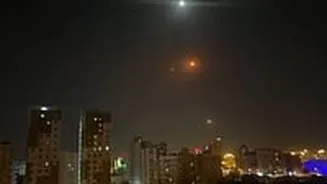
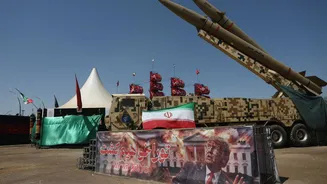
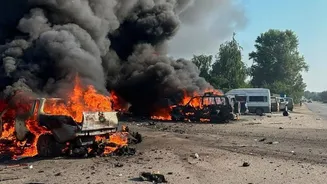
to Bloomberg, which cited people close to the Kremlin. Moscow is currently weighing a stronger campaign of conventional ballistic missile strikes against Kyiv, including possible attacks on the centre of the capital, as well as strikes on infrastructure in other Ukrainian cities, the sources said. The people, who asked not to be identified because of the sensitivity of the issue, said negotiation frameworks had effectively collapsed, leaving the two sides back at square one. Russia's President Vladimir Putin is not expected to end the war because of economic pressure from Western sanctions or Ukrainian attacks on Russian refineries and logistics networks, they said. Why is Russia Considering Escalation? Russia and Ukraine have intensified attacks against each other's territory in recent months. Ukraine has targeted Russian oil refineries, contributing to fuel shortages, as well as logistics facilities belonging to e-commerce companies including Wildberries and Ozon. The attacks have caused billions of dollars in damage to logistics networks, according to the report. Moscow increasingly regards Ukrainian strikes as attacks involving Nato countries because alliance members provide Kyiv with weapons and intelligence, the sources said. They added that Russia does not view the current phase of hostilities as the peak of military escalation. Putin appeared to signal a willingness to retaliate in comments to state television at the weekend. Ukraine had "opened this Pandora's box", he said. "Well, be ready to get a blowback on your most sensitive sectors of the economy." Why Have Peace Talks Stalled? US efforts to broker an end to the war have so far failed to produce a breakthrough. Negotiations have stalled while US President Donald Trump has focused on the conflict with Iran, according to the report. The Kremlin has also abandoned what it believed was an understanding reached between Putin and Trump at their summit in Alaska last August. Under that understanding, the US would have pressured Ukraine to surrender the eastern Donetsk region as part of a wider agreement to end the war. Ukraine has repeatedly rejected Putin's demand to hand over a belt of fortified cities in Donetsk, where Russian forces have failed to capture key positions during fighting dating back to 2014. US Secretary of State Marco Rubio said in June that Washington did not share Moscow's interpretation. "If there had been an agreement, we would have had an end to the war," he said.
Following talks with Russian Foreign Minister Sergei Lavrov in the Philippines in July, Mr Rubio said "new concepts" were needed.
CIA Director John Ratcliffe made a rare visit to Moscow on Tuesday for talks with Russian officials, although it is not clear what was discussed.
US envoys Steve Witkoff and Jared Kushner were expected to travel to Moscow after an eight-month break and visit Kyiv for the first time, but no dates have been announced.
According to four people close to the Kremlin, Moscow sees few alternatives to further escalation in pursuit of its military objectives.
What is Happening on the Warfront?
Russian missile strikes have exposed a shortage of air defence interceptors in Ukraine. That has left Kyiv more vulnerable to attacks on power and heating infrastructure, which last winter caused millions of people to face cold and darkness.
The two sides have also attacked commercial shipping and ports around the Black Sea, raising concerns over global grain supplies.
Russia and Ukraine together account for more than a quarter of global wheat exports, and the attacks are taking place during this year's harvest.
The continuing exchange of strikes has also fuelled concerns among some Russian officials that Putin could eventually consider using tactical nuclear weapons as a last resort.
Tactical nuclear weapons generally have lower-yield warheads and shorter ranges than strategic nuclear weapons. They are designed primarily for battlefield use, although their explosive power can still be enormous and radioactive fallout could contaminate large areas.
The possibility of Russia breaking the longstanding taboo against using nuclear weapons in war has nevertheless remained a major concern for Western governments.
The full-scale invasion launched by Putin in February 2022 was initially expected by Russia to achieve victory within days. It has now entered its fifth year, with heavy Russian casualties and no clear end to the conflict.
Putin has also repeatedly used nuclear threats as a means of attempting to deter Ukraine's Western allies from increasing support for Kyiv.