



What is the story about?
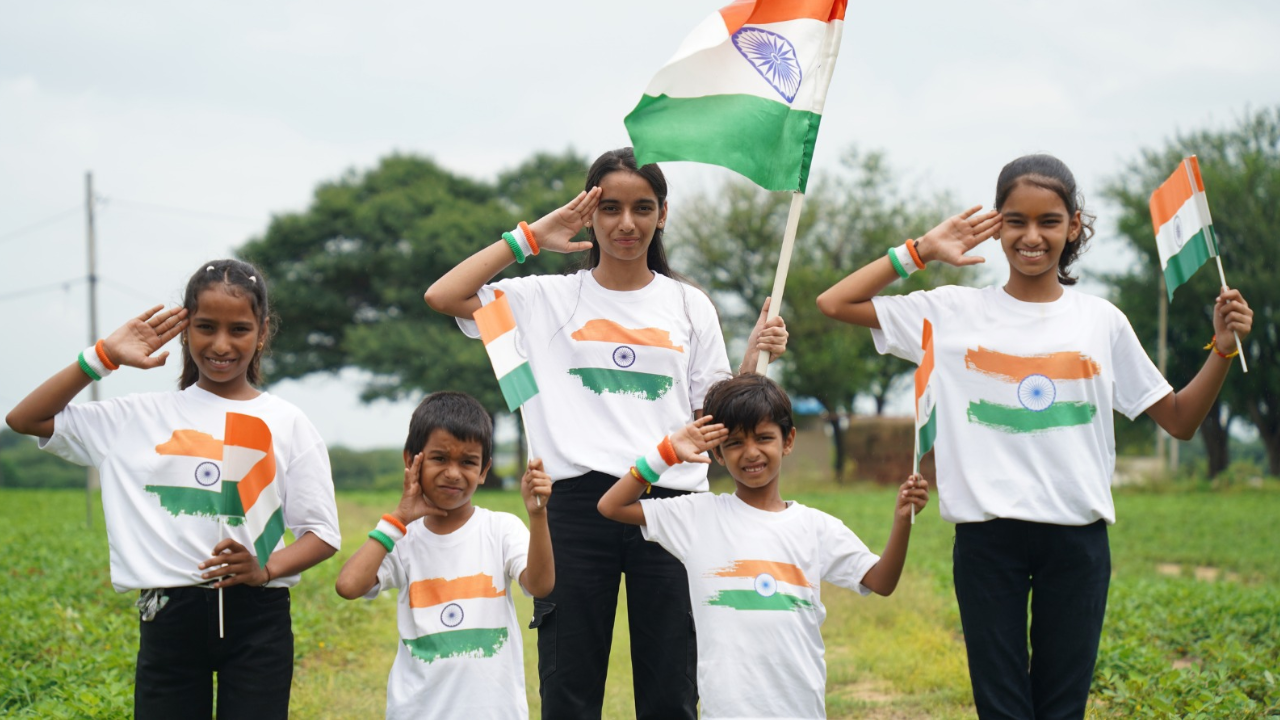
As India begins its preparations to celebrate the 80th Independence Day on August 15, 2026, the importance of this day goes beyond celebration. It symbolises
India’s freedom from British rule in 1947 and commemorates the beginning of the country’s journey as an independent nation. The date, August 15, was not randomly chosen; rather, it is closely connected to the last Viceroy of British India, Lord Mountbatten, and the events of World War II.
Why Did Lord Mountbatten Choose August 15?
Lord Louis Mountbatten became the last Viceroy of India in March 1947. The initial plan (3 June Plan) of the British government was to transfer power by June 1948. However, due to the growing political tension and urgency around the power transfer, it became necessary to advance the deadline for the transfer of power for Mountbatten.
He eventually announced that power would be transferred in August 1947 and opted for August 15 as the date to officially transfer power to India.
August 15, 1945, was the day when Japan surrendered in World War II, an event associated with the Allied victory. Mountbatten had also served as the Supreme Allied Commander in Southeast Asia during the war, and therefore, it holds personal significance.
Indian Independence Was Backed by Law
The power transfer was legally enabled by the Indian Independence Act, 1947, which was passed by the British Parliament. Under the Act, two independent nations, India and Pakistan, emerged.
The historic moment came at midnight of August 14 - 15, when the Constituent Assembly held its meeting. Nehru delivered his famous “Tryst with Destiny” speech marking the beginning of a new chapter for the country.
India celebrates Independence Day on August 15, while Pakistan celebrates it on August 14. The difference is due to the arrangements surrounding the transfer of power.