




What is the story about?
A week after the killing of Iran’s Supreme Leader Ayatollah Ali Khamenei in a US-Israel joint strike, rare cracks are reportedly beginning to appear within
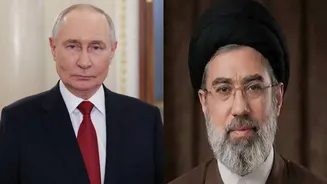
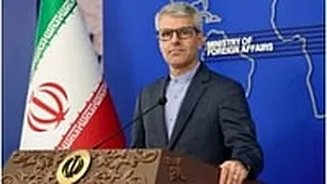
the country’s tightly controlled power structure. The divisions between hardliners and more pragmatic factions have spilled into the open, which have long been hidden under Khamenei's rule. This comes as Tehran faces mounting pressure from US and Israeli strikes. The latest flashpoint came after Iranian President Masoud Pezeshkian pledged that Iran would not target Gulf states, triggering backlash from hardliners who see the conflict as an existential war and are pushing for a more aggressive response, according to a Reuters report.
Pezeshkian's Statement Triggers Backlash
Iranian President Pezeshkian apologised for attacks on “neighboring countries,” however, hard-liners asserted that Tehran’s war strategy would not change. The President soon backtracked from his statement.
The remarks of Pezeshkian, who is a member of the council, were also challenged by hardline cleric and lawmaker Hamid Rasai who said, "your stance was unprofessional, weak and unacceptable."
Pezeshkian's comments had angered many senior commanders in the Guards, a source told Reuters.
Rifts in Iran's Power Structure
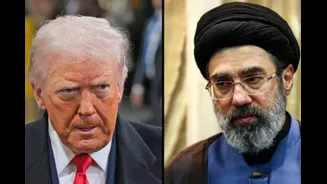
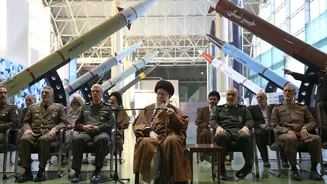
Strains were starting to show among leaders, a source close to Iran's leadership told Reuters from within the country. The clerics pushing for the appointment of the new supreme leader of Iran is also being seen as a growing sign of stress in the ruling ecosystem.
While hardliners seek revenge over the killing of Khamenei, pragmatists still hope diplomatic efforts can resolve the conflict, Alex Vatanka, director of the Iran Program at the Middle East Institute, told CNN.
"Wartime tends to clarify power structures, and in this case the decisive voice is not that of the civilian leadership but of the IRGC," Alex Vatanka told Reuters.
Amid growing buzz over rift in Tehran, Iran’s top security official Ali Larijani called for unity and denying leadership rifts in a televised address.
'Not Looking to Settle': Trump
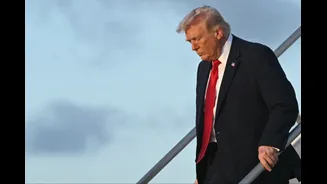
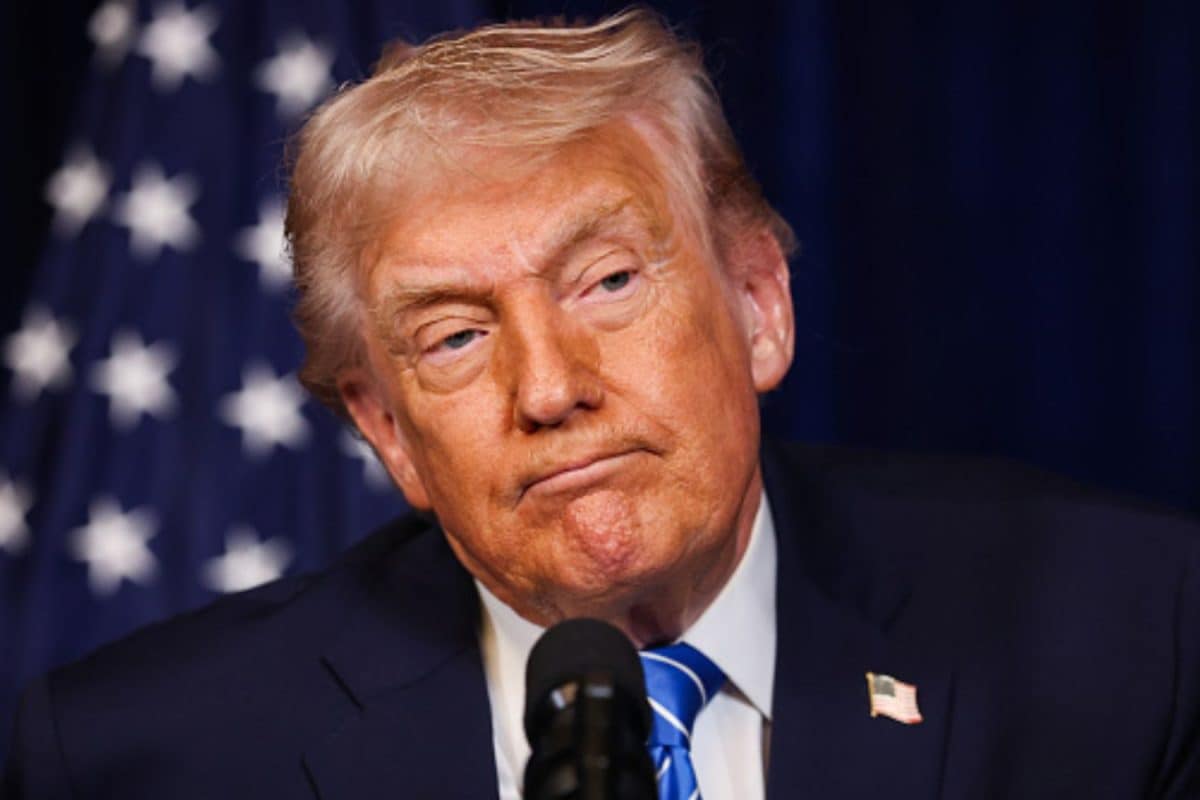
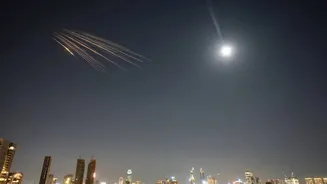
As Tehran fires drones and missiles on targets across West Asia, US President Donald Trump said that the US retains significant leverage over Iran and isn't looking to negotiate with its remaining leadership.
"We're not looking to settle," Trump told reporters on Air Force One. "They'd like to settle. We're not looking to settle."
During the gaggle with reporters, Trump repeatedly described the ongoing US operations in Iran as an "excursion" and said issues such as rising gas prices and the safety of Americans would be improved once the conflict ends.