







What is the story about?
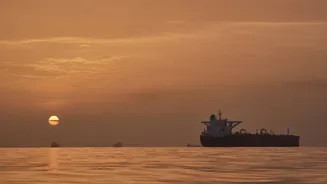
For approximately eight weeks, Indian Captain Rahul Dhar and his crew have been stranded on their tanker in the Persian Gulf, observing missile and drone
activity as the Strait of Hormuz remains largely closed due to ongoing conflict involving Iran. While the crew maintains their routines and morale, the strain of the situation is becoming evident. The crew's hope has been cautiously bolstered by a fragile ceasefire between the U.S. and Iran, although the war shows no signs of resolution.
The Impact of Conflict on Seafarers
Approximately 20,000 seafarers aboard hundreds of vessels, including oil tankers and cargo ships, remain trapped in the Gulf, unable to navigate the critical Strait of Hormuz, which typically facilitates about 20% of global oil and liquefied natural gas shipments.Recent data from Lloyd’s List Intelligence indicates a stark decline in vessel transits, with only about 80 vessels passing through the strait during the week of April 13-19, compared to over 130 daily before the onset of the conflict. The United Nations reports that at least 10 seafarers have lost their lives since the conflict escalated.
Despite U.S. President Donald Trump's indefinite extension of the ceasefire, the blockade of Iranian ports continues, prompting Iran to retaliate by targeting ships in the strait.
Living Under Threat
Manoj Kumar Yadav from the Forward Seamen’s Union of India reported that many Indian sailors are aboard the stranded vessels, enduring prolonged periods of fear and isolation while anchored near Iranian ports like Bandar Abbas and Khorramshahr, where explosions have occurred nearby.Yadav noted that his union receives daily distress calls from crews and their families, emphasizing the mental strain on those who are often on their first voyages. Many sailors are experiencing severe shortages of food and drinking water, leading to rationing of supplies.
Communication with families has been sporadic, hampered by internet disruptions and high roaming charges for limited contact. Families are increasingly anxious for the safe return of their loved ones.
Dangerous Conditions at Sea
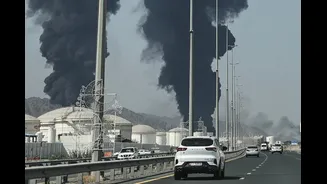
Reza Muhammad Saleh, an Indonesian chief officer aboard a Greek-owned cargo ship, described a drone explosion near their vessel shortly after their arrival on March 3, which resulted in multiple evacuations to bunkers. Fortunately, no injuries occurred.Saleh expressed concern over the uncertainty of when the Strait of Hormuz will reopen, stating that their ship typically transports iron ore and now requires written clearance from Iran to operate. The crew has faced missile strikes and GPS disruptions, necessitating manual navigation.
Challenges in Crew Changes
Capt. Rajalingam Subramaniam, CEO of Fleet Management Limited, reported ongoing communication with stranded ships, ensuring food supplies are regularly checked and arrangements are made for fresh provisions.Although some crew changes are occurring, they are limited as potential replacements are hesitant to board vessels under such conditions. Subramaniam highlighted the importance of respecting the wishes of mariners who did not sign up for operations in conflict zones.
Among vessels attempting to cross the Strait during the ceasefire, several have been fired upon, while others were forced to turn back. Fleet Management has refrained from attempting crossings due to safety concerns.
Ongoing Maritime Risks
The International Maritime Organization has called for a safe passage for commercial vessels through the Strait of Hormuz. Despite Iran's claims of openness to non-hostile vessels, heightened risks persist due to mines and attacks on ships.Subramaniam warned that the ongoing crises, including the Iran conflict and previous global events, could deter future seafarers from joining the industry, exacerbating an already critical shortage of skilled maritime labor.