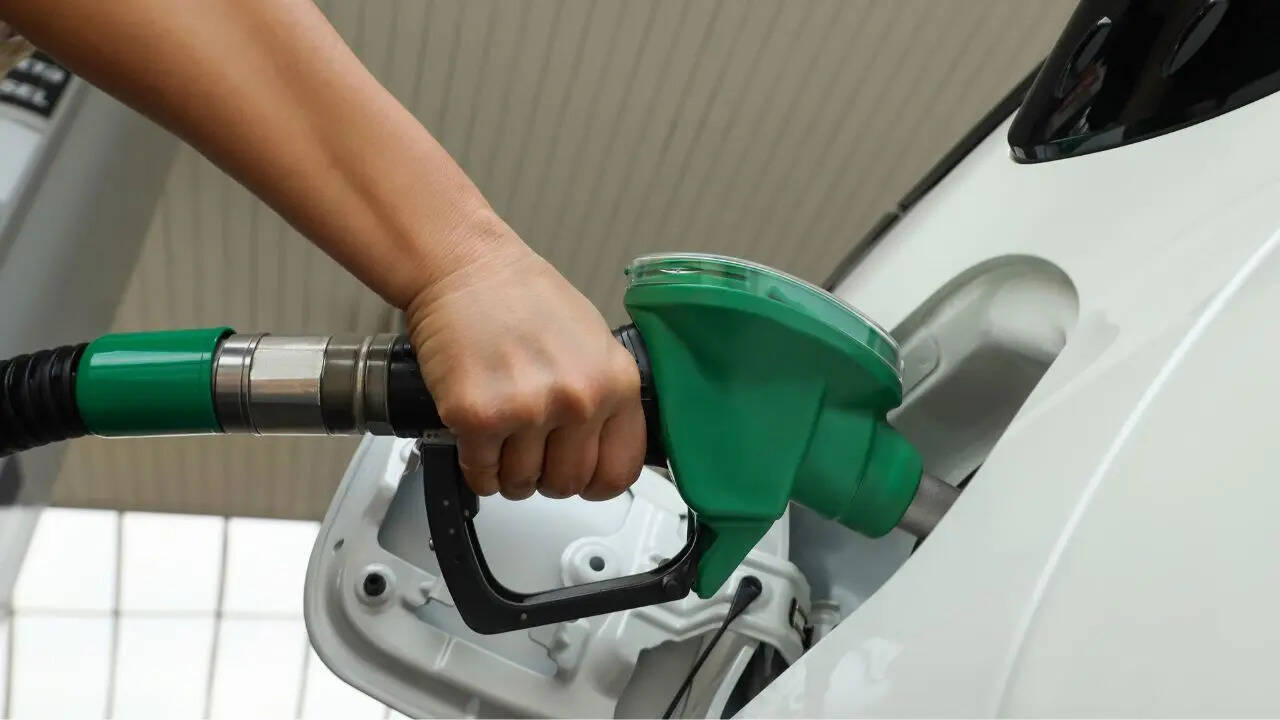









Supplying E10 petrol at retail outlets would be difficult to implement in practice. For oil marketing companies (OMCs), stocking and selling multiple petrol blends
would create additional operational and financial pressures, Oil Ministry sources told ET Now. Maintaining separate infrastructure for the storage, transportation and pipeline movement of different fuel grades could prove particularly challenging. Officials also believe that selling multiple petrol variants at the same outlets could increase the scope for malpractices. The possibility of making different petrol blends available at retail outlets was also examined extensively when E20 fuel was introduced. At the time, industry stakeholders had assessed the logistical and operational hurdles associated with handling multiple grades. E20 petrol, meanwhile, has undergone years of testing and has been deemed safe for use. Meanwhile, on April 1, 2026, petrol stations across India have been required to retail only E20 petrol, a blend containing 20 per cent ethanol, with a minimum octane rating of 95. As a result, conventional petrol without ethanol has become largely unavailable, apart from select premium offerings such as Indian Oil’s XP100, a 100-octane fuel that is priced at more than Rs 150 per litre. The nationwide shift to E20 represents a major change in India’s fuel policy to increase ethanol use, reducing reliance on imported crude oil and creating additional demand for domestically produced ethanol. However, the move has also triggered concerns among owners of older cars and two-wheelers. For consumers who continue to use ageing vehicles, the lack of alternative petrol blends leaves little room for choice. While the broader objectives of increasing ethanol blending and supporting farmers are significant, the transition has raised questions about affordability and compatibility for vehicle owners. The debate has particularly intensified around the decision to make a single fuel blend the standard across retail outlets. Consumers who are not in a position to replace their vehicles frequently may face greater uncertainty as the country moves towards higher ethanol-blended fuels. For many motorists, therefore, the issue is not simply about the benefits of ethanol but also about whether consumers should have access to different fuel options based on their vehicle’s age, specifications and compatibility.