






India hit back sharply at Pakistan at the United Nations after Pakistan Prime Minister Shehbaz Sharif threatened to respond to India’s suspension of the Indus
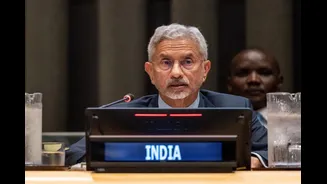
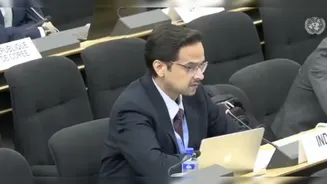
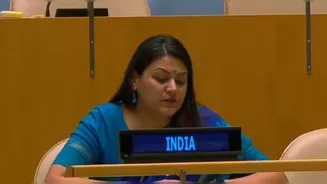
Waters Treaty, accusing Islamabad of pushing “falsehoods” while continuing its support for cross-border terrorism. India’s First Secretary at the UN, Petal Gahlot, said Pakistan’s “terrorism, deceit and duplicity” would have consequences, warning that New Delhi would continue to exercise its right to defend itself against terrorism. "This afternoon, the General Assembly heard some bizarre remarks from the representative of Pakistan. This happens just a fortnight after New York City and the world marked the 25th anniversary of the horrendous 9-11 terrorist attack. This context is important to keep in mind because its mastermind, Osama bin Laden, was living right on the doorstep of the Pakistani Army's premier academy," Gahlot said. India also took aim at Pakistan’s claims of upholding democracy and human rights, accusing Islamabad of being controlled by its military establishment. Gahlot said Pakistan’s political leadership was merely a front for the army, pointing to the country’s 27th Amendment and the “lifelong immunity” granted to its military leadership as evidence of where real power lies. "Their puppets may come and go, but let us have no illusion about who calls the shots. The reality of Pakistan is expressed in its 27th Amendment and the lifelong immunity granted to its real ruler," she said. "At the heart of the issue is the long-standing practice of cross-border terrorism by Pakistan. We demonstrated last year that terrorists will have nowhere to run and nowhere to hide. Our right to defend ourselves against terrorism will be exercised and continued. Terrorism by Pakistan will have consequences," Gahlot said. "Reiterating falsehoods year after year does not make them true. Pakistan's terrorism, deceit and duplicity will neither benefit it nor the world," she added.
What did Shehbaz Sharif say at UNGA?
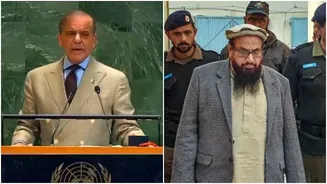
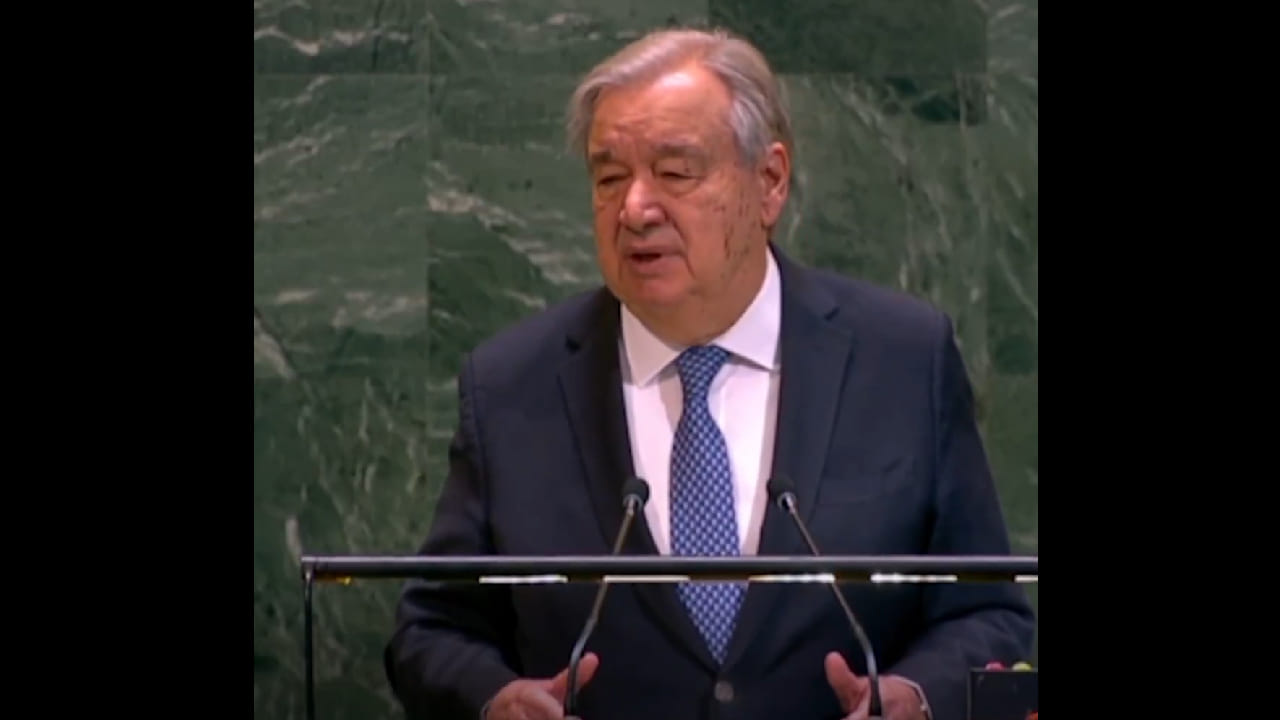
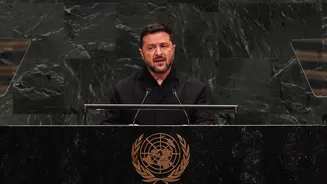
Sharif has warned that any attempt to stop, impede or divert Pakistan’s share of the Indus River waters would be treated as an “act of war” during his address to the 81st United Nations General Assembly in New York on Friday.
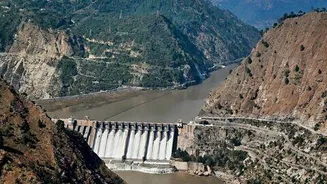
Sharif described the shared waters of the Indus river system as the “lifeblood” of Pakistan and the wider region, while criticising India’s decision to place the Indus Waters Treaty in abeyance.
“The shared waters of the Indus River system are the lifeblood not only for the people of Pakistan, but for the entire region. India’s unilateral decision to hold the existing treaty in abeyance has no legal basis whatsoever,” Sharif said
“Water must never be weaponised. Rivers should nourish nations, not divide them. Therefore, any attempt to stop, impede or divert Pakistan's share of the waters will be treated as an act of war. India must make no mistake about it,” he said.
The Indus Waters Treaty was signed by India and Pakistan in 1960 and governs the sharing and use of waters from the Indus river system.
The treaty was placed in abeyance by India following the April 2025 Pahalgam attack.