



Tehran: Iran has sent a nuclear proposal to the United States through Qatar but is willing to discuss it only after Washington meets Tehran's seven demands,
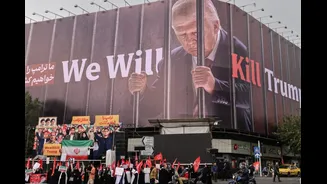
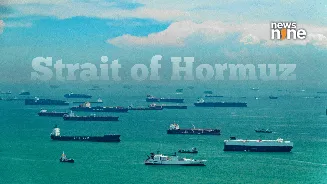
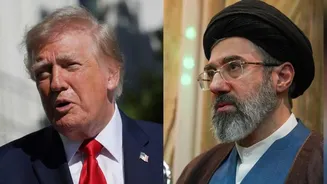
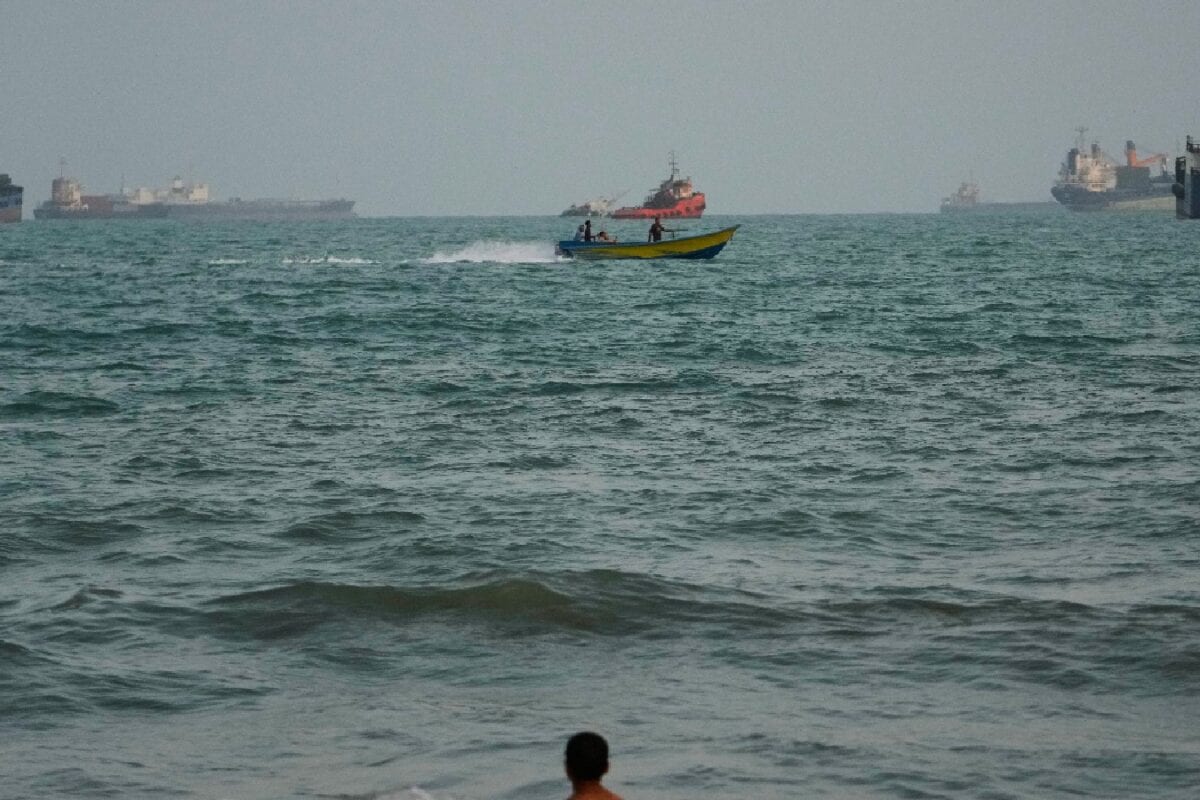
a senior Iranian official told Reuters on Thursday, speaking on condition of anonymity. The official said the US was examining the proposal but refused to share any additional information. Diplomatic efforts to end the Iran-US war have gathered pace amid concerns that fighting could resume after the US midterm elections. On Tuesday, US President Donald Trump declined to rule out renewed military action after the polls, while Tehran is preparing a broader retaliation if hostilities restart. Reiterating Tehran's tough stance on negotiations with Washington, Iran's top security official Mohsen Rezaei said during his visit to Russia that the country would neither agree to diplomatic talks nor reopen the strategically important Strait of Hormuz until the US meets its seven conditions. “On the issue of diplomacy, we have announced seven conditions to the Americans. As long as they do not execute our seven conditions, we will neither open the Strait of Hormuz nor have negotiations,” Rezaei said, as quoted by Reuters. Tehran has called for the removal of US sanctions, the release of its frozen assets and compensation for war-related damages, among other demands. Washington, meanwhile, insists that nuclear issues must feature in the initial round of negotiations.
Trump’s Fresh Threat To Iran:
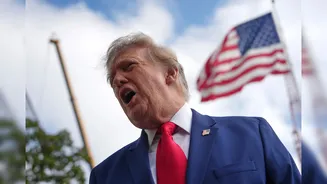
Speaking to reporters in the Oval Office on Thursday, November 5, Trump said the US military was producing weapons at an unprecedented rate and remained prepared for another operation.“We're building more weapons right now in our military than we've ever built before,” Trump said. “If we have to do the rest of the Iran thing, we're very much locked and loaded.”
Asked about reports that Iran was considering a new proposal to curb its nuclear programme, Trump insisted that Tehran could not act without Washington's consent.
“They’re not doing anything without our approval… It doesn’t make a difference what they’re looking at. They’re not going to have a nuclear weapon,” he said.
The US and Israel launched attacks on Iran on February 28, prompting Tehran to retaliate with strikes on Israel and Gulf countries hosting American military bases. Fighting also broke out in Lebanon between Israel and Iran-backed Hezbollah before spreading more recently to Yemen, where the Iran-aligned Houthis have targeted energy facilities, airports and other sites in Saudi Arabia.