




What is the story about?
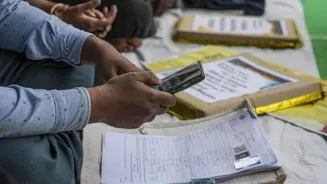
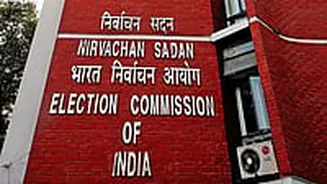
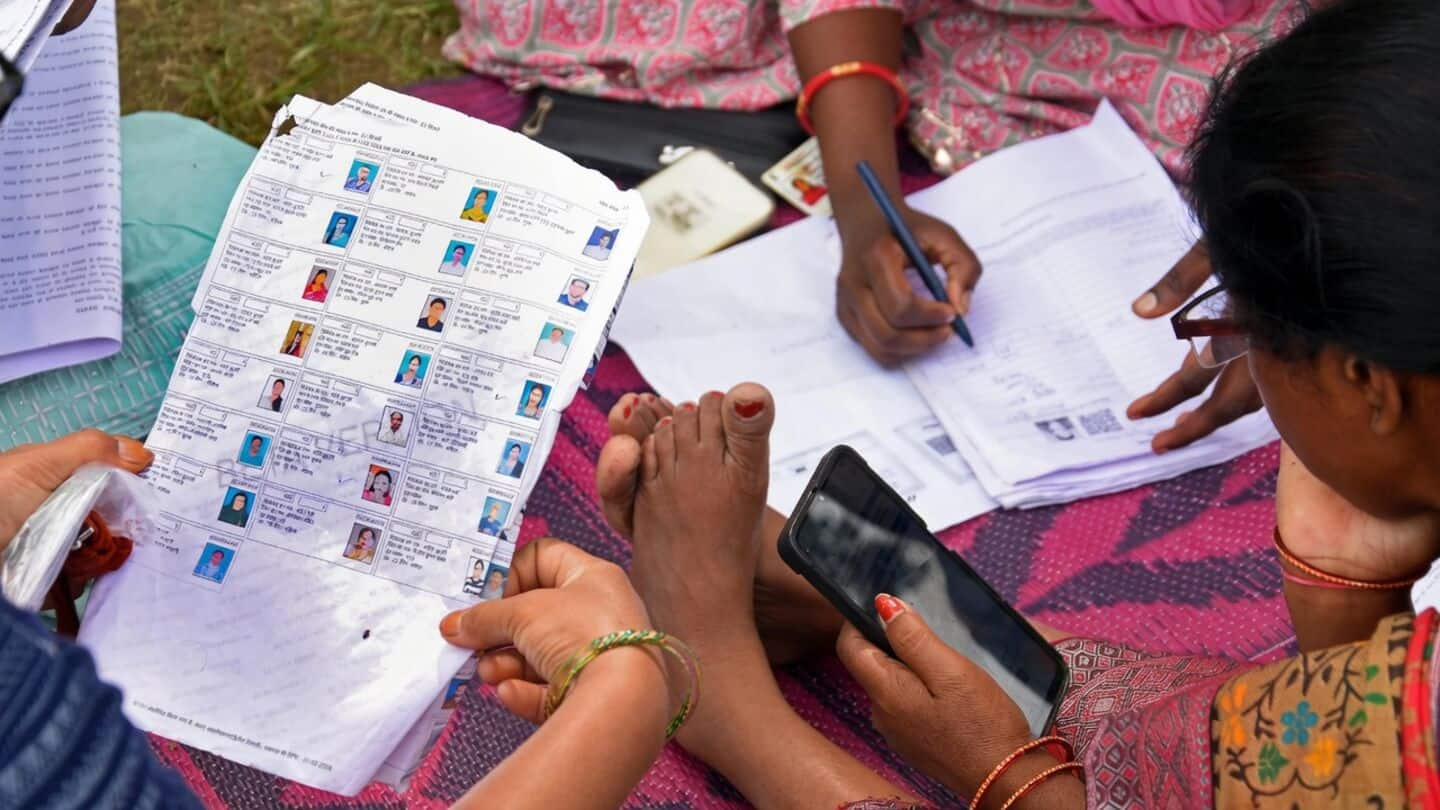
Amid the growing storm over the Election Commission's Special Intensive Revision (SIR), three routine voter forms have suddenly become central to the debate:
Form 6, Form 7 and Form 8. On paper, their roles are simple. Form 6 is for adding a voter, Form 7 is for deleting or objecting to a name, and Form 8 is for correcting or updating an existing voter's details. But allegations over how these forms were used or modified during SIR have put the poll panel's voter-roll process under scrutiny.
Form 6: The New Voter's Entry Point
Form 6 is the basic application for a citizen seeking inclusion in the electoral roll. An eligible Indian citizen who has attained the age of 18 on a qualifying date can use it to register as a voter.
This form became controversial during SIR after an additional declaration was added to the online version on the ECINET portal. Applicants were asked to provide information on whether their name, or that of a parent or grandparent, appeared in an earlier intensive revision roll.
Two Election Commissioners, Sukhbir Singh Sandhu and Vivek Joshi, had objected to the change, calling it unauthorised and raising concerns about young and first-time voters.
The Election Commission later removed the additional SIR declaration from Form 6 in states where SIR had concluded, saying that the statutory forms under the Registration of Electors Rules, 1960 would be used during the non-SIR period. The declaration remains for areas where SIR is still underway.
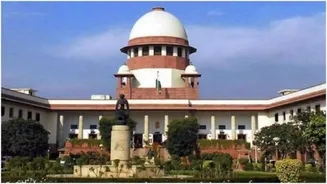
The issue has now reached the Supreme Court, with CJI Surya Kant making it clear during a hearing on Monday that any modification to Form 6 was not approved by the court. The court is seeking clarity on how the changes were made.
Form 7: The Form That Can Remove A Name
Form 7 is used to object to the proposed inclusion of another person's name or seek deletion of an existing entry from the electoral roll. The stated grounds include death, being underage, permanently shifting, duplicate enrolment or not being an Indian citizen. An elector can also seek deletion of their own name.
This makes Form 7 particularly important in the SIR debate because deletion of names is at the heart of the controversy.
The issue has also moved beyond political allegations. In Bengaluru, an FIR was recently registered over allegations that Form 7 applications were fraudulently used to seek deletion of 778 voters. The allegations are under investigation and have not been established in court.
Form 8: The Route For Corrections
Form 8 is meant for existing voters who need to shift their residence, correct entries in the electoral roll, replace an EPIC or get their status marked as a person with disability.
Its importance has surfaced in court proceedings too. The Bombay High Court's Goa bench recently dealt with a case where voters who had shifted houses within the same constituency said they had used Form 8 to update their address, but their EPIC details were no longer available in the system. The court questioned the reliance on software to process such applications and stressed that statutory procedure must be followed before deleting names.
Why The Forms Matter In The SIR Storm
The three forms cover the basic lifecycle of a voter record: Form 6 brings an eligible voter into the roll, Form 7 can trigger deletion, while Form 8 allows an existing voter to correct or update the record.
That is why the controversy over these forms goes beyond paperwork. At stake is how easily an eligible citizen can enter the electoral roll, how a name can be removed, and what remedy is available when something goes wrong.
With the Supreme Court now examining the Election Commission's decision-making and the controversy over Form 6, the functioning of these seemingly routine forms has become an important part of the larger SIR battle.