








What is the story about?
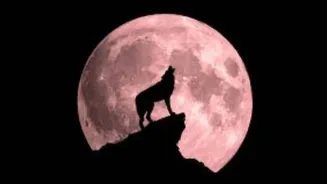
The first full moon of 2026, popularly known as the 'Wolf Supermoon' will light up the night sky this weekend. Wolf Supermoon is the traditional name given
to January's full moon, in a reference to wolves that were often heard howling during long, cold winter nights. This year, the moon also qualifies as a supermoon, meaning it will appear bigger and brighter than an average full moon. The upcoming Wolf Moon is also the final supermoon in a sequence that began in October 2025, which included October's Harvest Moon, November's Beaver Moon, and December's Cold Moon.
What Is A 'Supermoon'?
A 'supermoon' occurs when a full Moon coincides with the Moon's closest approach to Earth in its elliptical orbit, a point known as perigee. NASA explains that during its roughly 27-day orbit around Earth, the Moon reaches both its perigee - about 363,300 km away - and its farthest point, or apogee, roughly 405,500 km from Earth.
The space agency states that Supermoons, which occur only three to four times a year, often appear consecutively.
When And Where To See The Wolf Supermoon
Date: January 3, 2026
Time: Peak full moon at 10:03 GMT (5:03 a.m. EST)
Best viewing time: Evenings of January 2 and 3, shortly after sunset