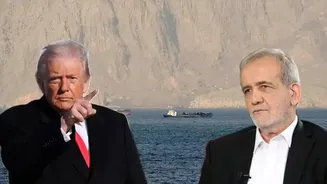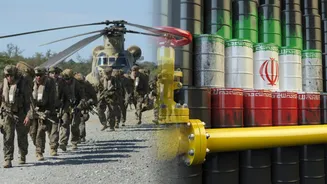







Iran’s oil exports have completely halted, according to Central Bank Governor Abdolnaser Hemmati, as the continuing crisis around the Strait of Hormuz
puts further pressure on Tehran's already strained economy. Hemmati made the admission during a live television interview on Wednesday evening, August 19, saying that Iranian crude shipments had effectively come to a standstill. The statement is significant because it marks the first official confirmation from a senior Islamic Republic official that the country's oil exports have stopped entirely. Hemmati also expressed hope that an earlier memorandum of understanding between Iran and the United States could be revived, potentially allowing negotiations between Tehran and Washington to resume.
Iran's Oil Revenues Hit By Crisis
Hemmati linked the collapse in oil income to the wider economic pressure facing Iran. He said falling revenues from oil, taxation and social security contributions were affecting sectors across the Iranian economy, while also pointing to Iranian assets blocked by the United States.
The Central Bank governor also argued that regional exporters, including Qatar and Iraq, had seen their revenues fall sharply because of the prevailing geopolitical conditions. Iran, however, faces an additional problem because of what Hemmati described as its limited financial reserves.
His comments come as Iranian authorities confront mounting warnings over the country's economic and living conditions. The disruption to oil exports threatens an important source of foreign currency at a time when Tehran is already dealing with restrictions on its access to international financial channels.
The Strait of Hormuz has become central to that pressure. The strategic waterway is a key route for energy shipments from the Gulf, and disruption to commercial traffic has increasingly affected the movement of oil and other commodities.
The halt in Iranian exports also comes against the backdrop of the wider confrontation involving Iran and the United States. Tehran's ability to move crude through regional maritime routes has been severely constrained as the crisis around the strait has continued.
US Says 750 Million Barrels Moved
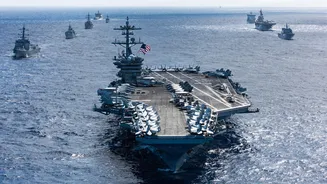
The US military has offered a sharply different picture of the wider oil traffic through the waterway. Admiral Brad Cooper, commander of US Central Command, said American forces operating around the Strait of Hormuz had supported the movement of around 750 million barrels of oil.
U.S. Central Command (CENTCOM) has released a new video update from Adm. Brad Cooper, announcing that U.S. forces have cleared an international shipping channel of mines and declared the Strait of Hormuz open.
According to Cooper, U.S. forces have assisted more than 1,500… pic.twitter.com/ImHGhOCmAD— OSINTdefender (@sentdefender) August 28, 2026
Cooper's account also said that US forces had supported nearly 1,500 vessels leaving the area. The figures provide the American military's assessment of the maritime traffic it has helped facilitate during the crisis, although they do not independently establish the total volume of global oil movements through the waterway.
The contrast with Iran's position is stark. While Cooper says US forces helped facilitate the movement of hundreds of millions of barrels, Hemmati has acknowledged that Iran itself has not exported oil during the period in question.