




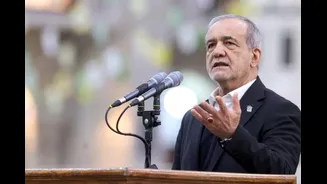



Iran will not begin negotiations on a final agreement with the United States until Washington implements several key commitments under their memorandum
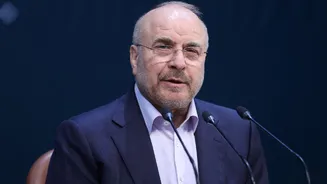
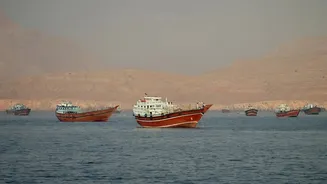
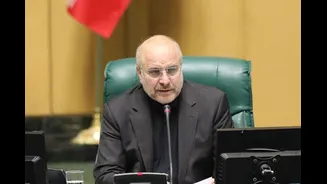
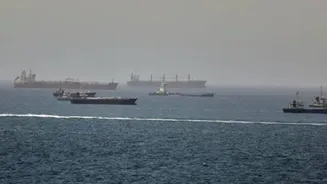
of understanding (MOU), Iran's Parliament Speaker and chief negotiator Mohammad Bagher Ghalibaf said on Tuesday. Speaking as technical-level talks between the two countries continue in Qatar, Ghalibaf said the next phase of negotiations would not begin until the US fulfilled a number of obligations set out in the agreement. He pointed to Article 13 of the MOU, under which implementation of the agreement is conditional on carrying out clauses 1, 4, 5, 10 and 11. According to Ghalibaf, those provisions include the cessation of hostilities in Iran and Lebanon, the lifting of the US naval blockade, the gradual reopening of the Strait of Hormuz, sanction-free exports of Iranian crude oil, petroleum products and derivatives, and the release of Iran's frozen funds. "Only once all those steps begin and continue," Ghalibaf said, "will the two sides open negotiations on a final deal covering the remaining points." He added that the US-Iran memorandum would not move forward until those commitments had begun to be implemented. "We are pursuing dialogue, but if the dialogue is not implemented, we are also prepared for war and will respond accordingly," Ghalibaf said in an interview on state television
Technical Talks Continue in Qatar
The comments came as Iranian and US officials continued technical-level negotiations in Doha. Qatar confirmed on Tuesday that discussions between the two sides were ongoing, but stressed that there were currently no high-level meetings under the existing negotiation framework.
"There are currently no high-level meetings between the Iranian and American parties under the adopted negotiation mechanism," Majed al-Ansari, adviser to Qatar's prime minister and spokesperson for the Foreign Ministry, said during a media briefing.
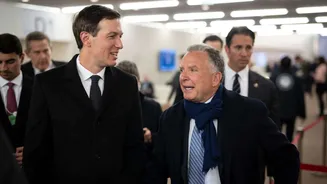
He said the visit by US envoys Steve Witkoff and Jared Kushner to Doha formed part of consultations with Qatari mediators and officials on a range of regional issues, including discussions related to Iran and Lebanon.
Al-Ansari said technical-level contacts between the United States and Iran had continued since earlier meetings in Switzerland, both directly and indirectly, with Qatari mediators working to maintain the process in Doha and elsewhere.
The Iranian and American technical delegations were "still in session", he said, adding that meetings were taking place in different formats with mediator participation to ensure continuity.
What the Talks Aim at Achieving
Qatar said the Doha discussions differ from the high-level talks held earlier this month in Switzerland, where senior delegations from both countries met face-to-face behind closed doors. Those talks were led by US Vice-President JD Vance and Iran's chief negotiator Mohammad Bagher Ghalibaf.
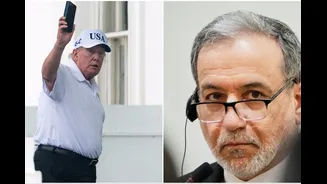
By contrast, the current negotiations in Doha are being conducted at the technical level, led by US Special Envoy Steve Witkoff and Iran's Deputy Foreign Minister Kazem Gharibabadi.
The two delegations are not meeting directly, with Qatari officials acting as intermediaries.
The technical discussions are intended to "produce documents that will be elevated to principles in the high-level meetings to agree upon," al-Ansari said.