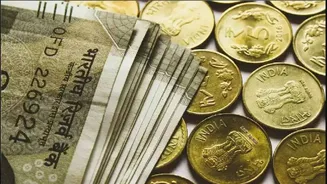

The Indian rupee continued its downward spiral on Friday, touching a new all-time low of 90.52 against the US dollar in early trade. The currency’s persistent
weakness this year has been driven by widening trade imbalances, elevated corporate demand for dollars, and the spillover impact of US tariffs on Indian goods. Thursday’s close at 90.46 had already breached the previous record of 90.42 set on December 4. With Friday’s dip past 90.50, the rupee has now depreciated more than 5% in 2025, ranking as the third-worst performing major currency globally—behind only the Turkish lira and Argentina’s peso. This sharp decline comes despite a more than 7% fall in the US dollar index. Economists say the pressure on the rupee has intensified as India’s trade deficit widens and corporates step up their dollar purchases to hedge overseas obligations. The situation has been compounded by the United States imposing steep 50% tariffs on select Indian exports, worsening sentiment in currency markets. Crossing the ₹90 mark carries symbolic significance, marking the rupee’s value halving since 2011. Analysts note that this level raises strategic challenges for RBI Governor Sajay Malhotra, who must navigate the tension between maintaining a flexible exchange rate and ensuring market stability. The Reserve Bank of India has been actively intervening to limit excessive volatility. A large portion of these operations is conducted through the non-deliverable forwards (NDF) market, where offshore rupee contracts settled in dollars influence global pricing. These interventions are executed via the Bank for International Settlements, working with major banks across key trading centres such as Singapore, Dubai and London. As global uncertainties persist and trade negotiations with the US remain strained, currency strategists expect the rupee to stay under pressure in the near term, though the RBI is likely to intensify efforts to prevent disorderly depreciation.