







What is the story about?
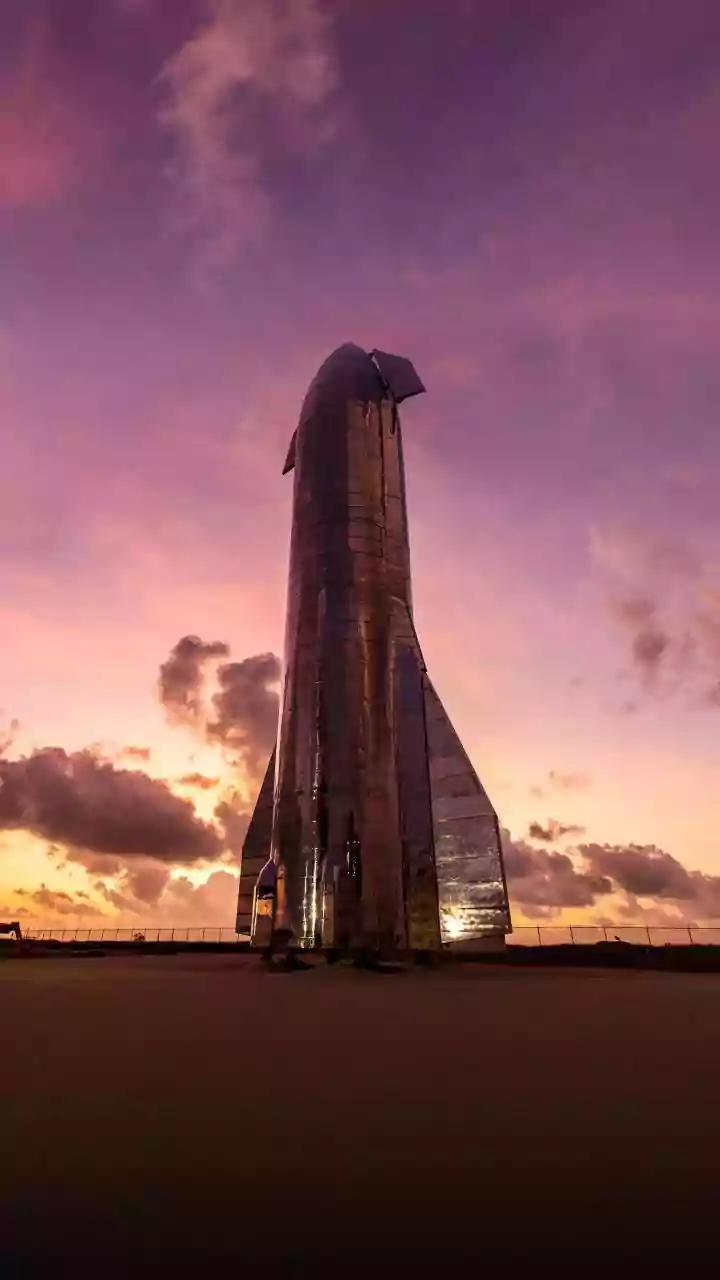
SpaceX launched its most powerful Starship yet on a test flight on Friday, an upgraded model that NASA plans to use for landing astronauts on the moon.
This launch marks a significant milestone in SpaceX's efforts to support NASA's Artemis program. The rocket lifted off from the southern tip of Texas, just two days after CEO Elon Musk announced intentions to take the company public. It carried 20 mock Starlink satellites, which were released halfway around the world during the flight.
Details of the Launch
This test flight is the 12th for the Starship, which Musk envisions as a vehicle for transporting people to Mars in the future. However, its immediate goal is to facilitate moon missions under NASA's Artemis initiative.The previous model of Starship last launched in October. The third-generation Starship, referred to as V3, took off from a newly constructed launch pad at Starbase, near the Mexican border, after a delayed launch attempt due to last-minute pad issues.
Improvements in Design
The latest Starship model stands at 407 feet (124 meters), surpassing earlier designs by over a meter and offering increased engine thrust. This iteration features fewer but larger grid fins for improved steering during descent and a more robust fuel transfer line designed to support its 33 main engines.Additionally, the spacecraft is equipped with enhanced navigation systems, more cameras, and docking cones intended for future missions to the moon. The design prioritizes reusability, although no recovery was planned for this flight.
NASA's Collaboration with SpaceX
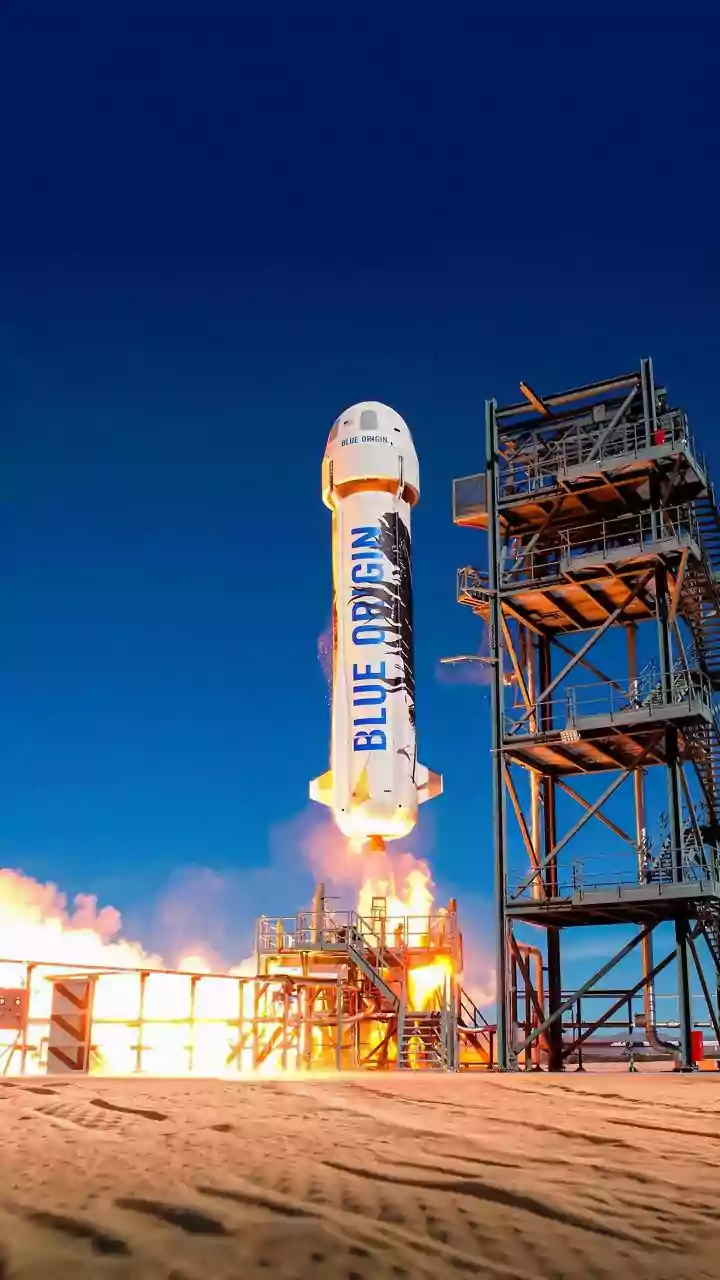
NASA is investing billions in SpaceX and Jeff Bezos’ Blue Origin to develop lunar landers for its Artemis missions. The two companies are competing to be the first to deliver astronauts to the moon.While SpaceX's Starship has achieved multiple suborbital flights, Blue Origin's lunar lander, Blue Moon, has yet to launch, although a prototype is expected to attempt a moonshot later this year.
Future Missions and Opportunities
Nasa is preparing for a docking trial with astronauts scheduled for next year, which will involve practicing docking with either Starship or Blue Moon for the Artemis III mission. The Artemis IV mission aims for a lunar landing as early as 2028, marking NASA's first crewed lunar landing since Apollo 17 in 1972.SpaceX is also marketing private flights to the moon and Mars aboard Starship. Notable space tourists include California businessman Dennis Tito, who signed up for a lunar flyaround three and a half years ago, and bitcoin investor Chun Wang, who plans to fly to Mars on Starship's inaugural interplanetary mission.