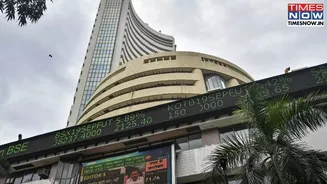









After the Iran War broke out on February 28, leading to global economic challenge, from the Indian market, foreign institutional investors (FIIs) have
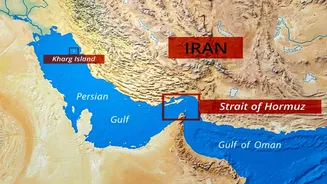
withdrawn $18 billion, causing the Nifty to tumble more than 9% from its 52-week high. Market data from Elara Securities shows that India remains an outlier in emerging markets as it saw outflows extend to the fifth consecutive week, as reported by the Economic Times. After the blockade of Strait of Hormuz by Iran and the second phase announced by the United States (US), global funds are staying on the sidelines until a long-term settlement is actually signed. Brent crude hovering near $100 a barrel. FIIs are cautious as the elevated oil prices simultaneously widen the current account deficit and stoke domestic inflation. US 10-year Treasury yields climb toward 4.5%. For dollar-based investors, currency depreciation acts as a silent tax on returns. Markets like South Korea and Taiwan are considered significantly more attractive. Amid the global volatility, the Singaporean stocks are close to reclaiming their record high. Singapore's benchmark stock market index, the Straits Times Index (STI), remained flat since the US-Iran war started on February 28, compared to an over 6% fall in the Indian stock market benchmark Nifty 50 and a 1% fall in the S&P 500 for the same period. Another detaching factor for the foreign investors is that in the US dollar terms, the Nifty has delivered almost zero CAGR since late 2021. Another deeper fear is the structural earnings downgrade for Indian companies as the war-induced supply chain disruptions and elevated input costs are expected to weigh heavily on the earnings.