







What is the story about?
DUBAI, United Arab Emirates (AP) — An Iranian drone attack targeted a Kuwaiti oil refinery early Friday, coinciding with sirens in Israel warning of incoming
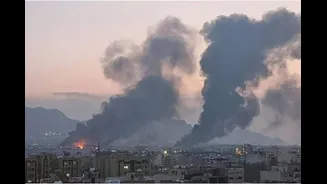
threats. This escalation follows a series of explosions in Tehran resulting from Israeli strikes as the country celebrated the Persian New Year. As the ongoing conflict nears its third week, Iran continues to attack energy infrastructure in the Gulf region. Kuwait reported that two waves of drone strikes hit its Mina Al-Ahmadi oil refinery, causing a significant fire that emergency crews are currently battling.
Details of the Attack
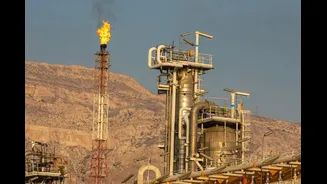
The Mina Al-Ahmadi refinery, capable of processing approximately 730,000 barrels of oil daily, had already sustained damage from a previous Iranian strike on Thursday. This facility is one of three refineries in Kuwait, a small yet oil-rich nation located on the Persian Gulf.Iran's recent surge in attacks on energy sites across Gulf Arab states was prompted by an Israeli bombing of Iran's South Pars offshore natural gas field earlier this week.
Iran's Leadership Remarks
In a rare public statement, Iran's new Supreme Leader Ayatollah Mojtaba Khamenei declared that the nation's adversaries must have their 'security' undermined. Khamenei's remarks were conveyed through a statement to President Masoud Pezeshkian following the Israeli assassination of Intelligence Minister Esmail Khatib earlier this week.Regional Repercussions
In Dubai, heavy explosions were reported as air defenses intercepted incoming fire while citizens were engaged in Eid al-Fitr celebrations. Additionally, Bahrain's Interior Ministry confirmed that shrapnel from an intercepted projectile caused a fire in a warehouse.Saudi Arabia also reported the interception of multiple drones aimed at its oil-rich Eastern Province, highlighting the broader implications of Iran's aggressive military actions in the region.
Economic Impact and Global Concerns
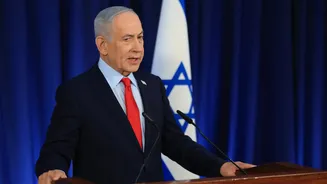
Following the attacks, Brent crude oil prices surged to over $119 a barrel, reflecting the heightened tensions and fears of a potential global energy crisis. Israeli Prime Minister Benjamin Netanyahu announced that further strikes on the South Pars gas field would be paused at the request of U.S. President Donald Trump to prevent exacerbating oil price volatility.Netanyahu also claimed that Iran's ballistic missile production capabilities had been significantly diminished, although Iranian officials disputed this assertion, stating that missile production continues unabated.
Ongoing Conflicts
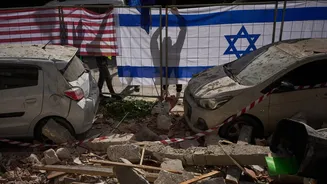
As sirens blared in Israel, warning of potential attacks on Jerusalem and northern regions, explosions were reported in Tehran during Nowruz celebrations. While details remain scarce, the ongoing conflict has resulted in over 1,300 deaths in Iran, with significant casualties reported in Israel and Lebanon.Israeli airstrikes have displaced over 1 million people in Lebanon, according to local authorities, and the conflict continues to escalate with additional strikes reported in Syria targeting infrastructure linked to Iranian-backed groups.