









What is the story about?
A mallard named Martha has nested for four consecutive years behind a bush near Caitlin Deal's front door in Eagan, Minnesota, providing a unique opportunity
for her young son to observe wildlife. The annual nesting ritual, which lasts about a month each spring, concludes with the hatching of eggs around Mother's Day. During spring, various wildlife species, including birds and deer, often choose nesting locations that coincide with human habitation. Experts suggest that, with some preparation and awareness, coexisting with these animals can be both simple and enjoyable.
Leave It Alone
Experts recommend leaving any discovered nest or baby animal undisturbed. Removing a nest may violate federal laws. If a bird nests in an unusual location, homeowners should consult their local wildlife agency for guidance, according to Beth Quillian from the Oregon Department of Fish and Wildlife.People may also encounter deer fawns in their yards, which can appear abandoned. Quillian explained that does often hide their fawns while foraging and return periodically. It is crucial to leave fawns alone unless there are clear signs indicating they need assistance.
Protective Parents
While many animals appear harmless, wildlife can exhibit aggressive behavior when protecting their young. John Coluccy of Ducks Unlimited highlighted that Canada geese and swans can be particularly aggressive, capable of inflicting serious injuries if provoked.In regions such as the West, elk calves may be found near homes. Cow elk are known for their protective instincts, and Quillian emphasized the importance of maintaining distance and respecting their space, especially when young are present.
In Florida, alligators breed from April to June, with females guarding nests that may resemble piles of leaves. Darian Dowse from the North Florida Wildlife Center cautioned residents to keep a safe distance from these nests and ensure that pets remain on sidewalks, away from shorelines.
Dealing with Problems
Animals such as raccoons or squirrels sometimes nest in unsuitable locations, such as covered boats. Tami Vogel, executive director of the Wildlife Rehabilitation Center of Minnesota, suggested using a shop lamp to illuminate the area, encouraging the mother to relocate her young within a couple of days.Vogel also advised using metal mesh to secure sheds and decks, educating the public about their options. She stated, 'We want them to know we’re here as a safety net and what to look for if something goes wrong.'
What About Pets?
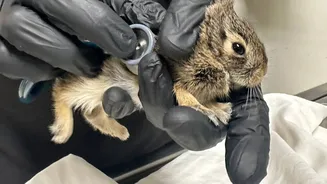
As natural predators, dogs and cats should be kept close to prevent any potential conflicts with wildlife. Deal noted her family's dog, Piper, posed a concern for Martha's safety, prompting them to keep Piper on a leash.Rabbits frequently nest in yards, leading to many calls to the Minnesota center. To protect these nests, Yohannes recommended placing a laundry basket over them during the day and removing it in the evening to allow the mother to care for her young.
Yohannes concluded, 'Understanding that the period of coexisting with this nest or family will be temporary is essential.'