





What is the story about?
OAKLAND, Calif. (AP) — OpenAI, the creator of ChatGPT and valued at $852 billion, successfully navigated a legal dispute with Elon Musk, positioning itself
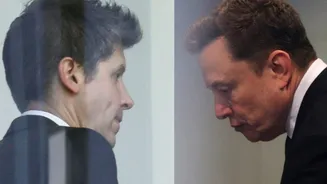
for a potentially historic initial public offering. Musk sought to remove CEO Sam Altman and implement other changes within the company. However, the trial revealed testimony that painted Altman in a negative light, indicating that neither party left the courtroom unscathed.
Trial Insights and Implications
The trial highlighted the ongoing concerns surrounding the influence of a select group of billionaires on artificial intelligence development. Sarah Kreps, director of Cornell University’s Tech Policy Institute, remarked on the trial's broader implications, stating, “It reminds us how much the future of AI still depends on a remarkably small group of powerful tech figures and their personal rivalries.”Kreps further emphasized the disconnect between those developing AI technologies and the general public, noting, “The trial underscored not only the dispute between Musk and Altman but also the growing chasm between the creators of these systems and those expected to coexist with them.”
Musk's Allegations and Legal Outcome
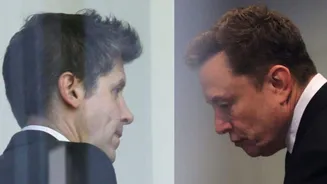
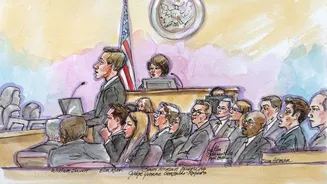
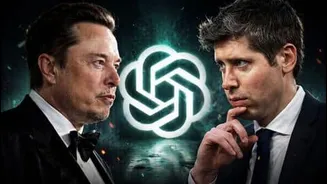
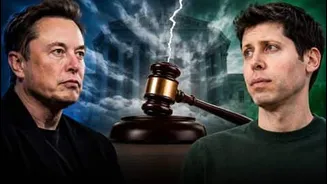
Musk accused OpenAI, Altman, and Greg Brockman of abandoning their initial mission to maintain the organization as a nonprofit aimed at benefitting humanity. Conversely, Altman claimed Musk attempted to undermine OpenAI for his own advantage with his AI venture, xAI.The nine-person federal jury in Oakland ruled in favor of OpenAI, stating Musk had delayed filing his lawsuit beyond the statutory deadline. After a three-week trial filled with extensive evidence and testimonies from prominent tech figures, the jury deliberated for under two hours before reaching a verdict primarily based on procedural grounds.
Musk's Response and Broader Concerns
Following the verdict, Musk expressed his intent to appeal, criticizing Judge Yvonne Gonzalez Rogers as a “terrible activist Oakland judge” who allegedly misused the jury to set a detrimental precedent. He stated on social media, “She just handed out a free license to loot charities if you can keep the looting quiet for a few years!”This legal outcome marks Musk's second significant courtroom defeat in a short span, raising questions about the implications for both Musk's ventures and OpenAI's reputation amidst the ongoing debates regarding AI's societal impacts.
Public Sentiment and Protest
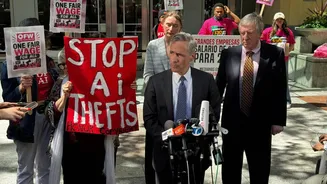
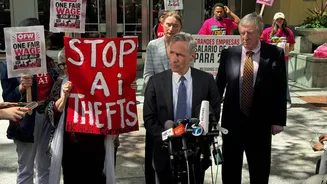
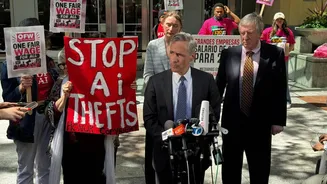
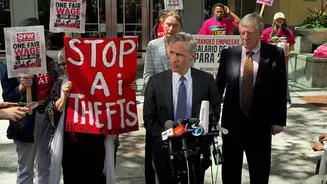
The trial unfolded against a backdrop of public anxiety regarding AI's potential consequences, including job displacement and mental health issues. Outside the federal courthouse, protesters frequently voiced their concerns, asserting that ordinary individuals are the true victims in a landscape dominated by disconnected billionaires.Columbia Law School professor Dorothy Lund remarked, “This trial illustrates the messy dynamics within Silicon Valley, where powerful figures like Musk and Altman drive the development of crucial technologies without adequate oversight or accountability.”
Internal Dynamics and Future Outlook
The trial exposed the complexities of OpenAI's internal operations, revealing communications that sparked public interest and criticism. Text messages between Altman and former executives became subjects of public discourse, showcasing the often contentious nature of tech leadership.Despite Musk's allegations, OpenAI maintained that his claims stemmed from a place of resentment towards the company's rapid advancement. Both OpenAI and Musk's companies, including SpaceX, are poised for significant initial public offerings, raising questions about their future trajectories amid the ongoing challenges in AI governance.
As the landscape of artificial intelligence continues to evolve, experts predict that the developments within OpenAI and Musk's ventures will have lasting repercussions on the industry and society at large.