






What is the story about?
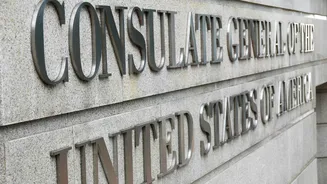
The US State Department has notified Congress of plans to close five diplomatic missions overseas, including consulates in Canada, Japan and Indonesia,
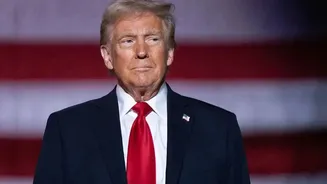
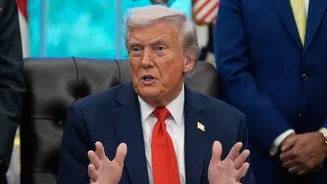
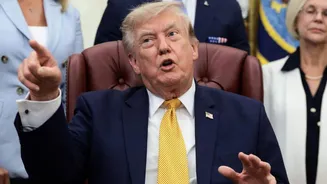
in what would mark one of the most significant reductions in America's overseas diplomatic presence in recent years. According to Reuters, the proposed closures are not linked to any single geopolitical crisis but instead form part of a broader effort by the Donald Trump administration to reshape the federal bureaucracy and reduce government spending. The move follows earlier internal discussions that considered a wider reduction in the United States' global diplomatic network. The congressional notification reportedly identifies five overseas posts earmarked for closure:
- Winnipeg, Canada (Consulate)
- Nagoya, Japan (Consulate)
- Medan, Indonesia (Consulate)
- Douala, Cameroon (Embassy Branch Office)
- St. George's, Grenada (Embassy)
These facilities primarily support diplomatic engagement, provide consular services to American citizens, assist with visa operations and promote US political, economic and security interests outside the host country's capital.
The State Department has not publicly confirmed the closures but acknowledged that it is reviewing its overseas footprint to ensure diplomatic resources remain both effective and efficient while complying with congressional notification requirements.
Why Is The US Closing These Consulates?
The proposed closures are widely viewed as part of the Trump administration's continued emphasis on reducing government expenditure and restructuring federal institutions under its "America First" agenda.
Reuters reported that early in the administration, officials explored shutting nearly a dozen overseas missions, while the White House Office of Management and Budget reportedly favoured closing as many as 30 diplomatic posts worldwide. Supporters of the proposal argue that some smaller missions no longer justify their operating costs and that resources should be concentrated where they have the greatest strategic value.
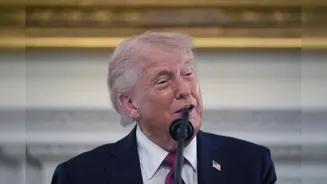
Secretary of State Marco Rubio has repeatedly defended cost-cutting measures, arguing they are necessary to streamline what many conservatives consider an overly large diplomatic bureaucracy.
Critics Warn Against Reducing America's Diplomatic Presence
The proposal has drawn criticism from Democrats and several former foreign policy and national security officials, who argue that reducing America's diplomatic presence could weaken US influence overseas.
They contend that the planned closures, combined with the earlier dismantling of the US Agency for International Development (USAID), risk leaving gaps that geopolitical competitors such as China and Russia could seek to exploit through expanded diplomatic engagement.
The concerns are particularly notable because the Biden administration had previously expanded America's diplomatic presence in parts of the Pacific, reflecting Washington's strategic competition with Beijing across the Indo-Pacific.
Among the five locations identified for closure, China already maintains diplomatic missions in Grenada, Nagoya and Medan, while it does not currently operate equivalent diplomatic facilities in Winnipeg or Douala, according to Reuters.