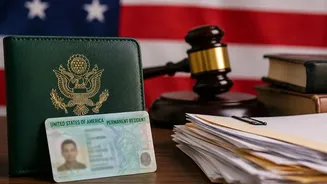







Indian professionals aspiring to secure permanent residency in the US could face additional hurdles as the Donald Trump administration has proposed sweeping
changes to the employment-based Green Card process, making it tougher for American companies to sponsor foreign workers. The US Department of Labour (DOL) has proposed stricter recruitment requirements for companies seeking to hire foreign nationals permanently, arguing that qualified American workers must get the first opportunity to apply for high-skilled, high-paying jobs. "American Workers are the best in the world, and they deserve the first and best job opportunities," Labour Secretary Keith Sonderling said while announcing the proposal on Monday. The proposed changes seek to overhaul the Permanent Labour Certification programme, commonly known as PERM. It is the first comprehensive update to the programme in nearly 20 years.
What Changes For Indian Green Card Applicants?
The PERM process is a crucial requirement for most employment-based Green Card applications under the EB-2 and EB-3 categories, two popular routes for skilled foreign professionals, including Indian workers.
Under the existing system, employers must demonstrate that they could not find qualified American workers for a particular position before sponsoring a foreign national for permanent employment.
The proposed rules would make this requirement more stringent. Companies would have to advertise vacancies through their websites, online job portals and social media platforms, besides other recruitment channels, for at least 90 calendar days. They would also have to provide job-related reasons for rejecting qualified American applicants.
The proposal would further restrict companies that have laid off American employees. Employers would be barred from filing PERM applications for positions in the same or similar occupations if they have laid off US workers at the relevant workplace during the preceding two years.
If layoffs occur after an application is filed, companies would have to consider potentially qualified affected employees for the position and notify the Labour Department and, where applicable, US Citizenship and Immigration Services (USCIS) within five business days.
Nurses, Physical Therapists Also Face Changes
The proposal also seeks to eliminate Schedule A exemptions, which currently allow employers sponsoring professional nurses and physical therapists to bypass the standard labour market test. Certain individuals with exceptional abilities in the sciences and arts are also covered.
If implemented, employers would have to follow the regular PERM process for these occupations.
The implications come against the backdrop of persistent Green Card backlogs for Indians. According to the November 2026 US Visa Bulletin, India's EB-2 final action date remains November 1, 2013, while EB-3 has advanced only to January 22, 2014.
The proposal is not yet a final rule. The Labour Department will invite public comments for 60 days after its November 17 publication in the Federal Register. Existing requirements will continue to apply until any revised regulations are finalised and come into effect.