







Congo’s Ebola outbreak has killed more than 4,000 people, with authorities struggling to contain what has become the fastest-growing Ebola outbreak in the country’s
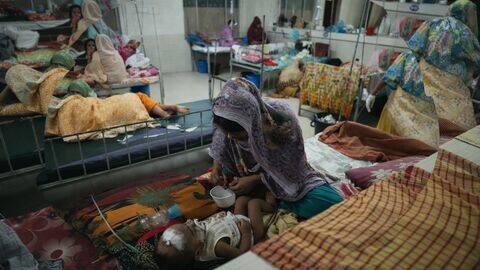
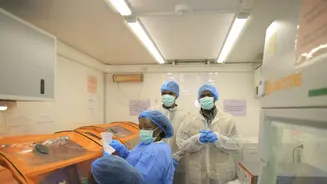
history. The Health Ministry said Thursday that 4,018 people had died among 8,300 reported cases since the outbreak was declared in eastern Congo on May 15. The escalating crisis has been further complicated by shortages of health workers and funding. In Ituri province, some health workers gathered in the regional capital Bunia to protest unpaid wages. Protesters included surveillance teams and carried signs reading, “No money, no data!” and “No payment for months.” Biongi Beiza, one of the protesters, said some workers had not received their salaries for August and September. Front-line workers have also staged several strikes since the outbreak began, hampering efforts to track and contain the virus. A United Nations official said an Ebola-affected displacement camp near Bunia was burned by soldiers earlier this week while they were searching for weapons. The fire destroyed a transit centre for infected patients and forced about 19,000 displaced people to flee, according to Julien Harneis, the UN’s senior Ebola coordinator. “When we lose a centre, that means we lose capacity, we lose investment, and we have to start again,” Harneis said. Ebola-Infected Aid Worker Evacuated to Netherlands An aid worker with Médecins Sans Frontières (MSF), also known as Doctors Without Borders, contracted Ebola while working in Congo, the organisation said. The worker was flown to the Netherlands on Thursday and transferred to a high-level isolation unit at Leiden University Medical Center. MSF said at least 50 health workers have died after contracting Ebola during the current crisis. Mobile Labs Speed Up Ebola Testing Mobile laboratories are helping health authorities identify cases more quickly. In Butembo, medical teams are using mobile facilities that can produce Ebola test results in about six hours, compared with up to 72 hours previously. The laboratories can also be moved to areas that are difficult to access, allowing medical teams to respond more quickly when suspected cases emerge. The World Health Organization has warned that the virus is spreading into new health zones, placing additional pressure on already limited resources. The outbreak is on course to surpass the deadliest Ebola outbreak on record, which occurred in West Africa between 2014 and 2016 and killed about 11,000 people, according to the WHO. Africa CDC said confirmed cases had declined from about 850 cases and 470 deaths per week in mid-July to an average of 490 cases and 230 deaths per week in September. However, officials cautioned that the decline may partly reflect insecurity and difficulties accessing affected communities. In some areas, the virus continues to spread rapidly. Authorities are also facing resistance and mistrust among residents, with some communities dismissing Ebola as a hoax. Congo launched a village-focused response last month, working with local leaders to raise awareness about the disease. However, distrust of government authorities, including concerns linked to previous Ebola responses and corruption, continues to complicate containment efforts.