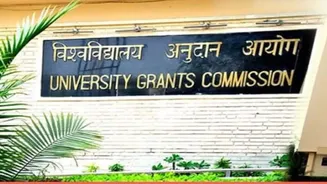









Amid the ongoing admission season, the University Grants Commission (UGC) has issued a strong advisory urging students to remain cautious and avoid making
hurried decisions under pressure from institutions. In a recent post on X, the higher education regulator warned that any university or college pushing applicants to apply quickly or pay fees immediately should be treated as a red flag. According to the UGC, such tactics, often presented as “limited-time offers”, are designed to create urgency and prevent students from carefully evaluating their options. The commission also highlighted the risks of dealing with institutions that fail to provide clear and complete information about courses, fee structures, approvals, and affiliations. Students have been advised to verify all claims through official sources and take their time before committing to any programme.
The advisory comes as thousands of aspirants across the country explore higher education opportunities, making them particularly vulnerable to aggressive marketing and misleading claims.
Fake Universities Flagged by UGC Earlier This Year
The advisory comes in the context of concerns the University Grants Commission had raised earlier this year. In February 2026, the regulator identified 32 fake universities operating across India, with Delhi accounting for the highest number at 12.
These institutions were found to be unrecognised by the UGC or any authorised body and did not have the legal authority to award valid degrees. Students enrolled in such universities risked wasting both time and money, as their qualifications were unlikely to be accepted for employment or higher education.
At the time, the UGC had reiterated that it regularly monitors and publishes lists of unrecognised institutions as part of its efforts to curb academic fraud. Many of these fake universities were known to imitate legitimate ones by using convincing names, professional-looking websites, and misleading claims of affiliations to attract students.
States such as Uttar Pradesh, Maharashtra, Karnataka, and West Bengal had also featured in the list, highlighting that the issue was widespread and not confined to a single region.