






India’s newly concluded trade agreement with the United States has sparked a sharp backlash in Pakistan. Critics argue that Islamabad’s months of high-profile
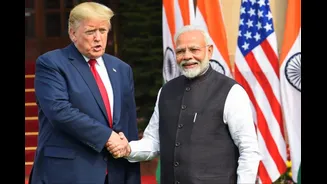
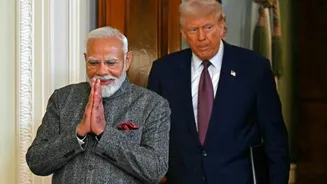
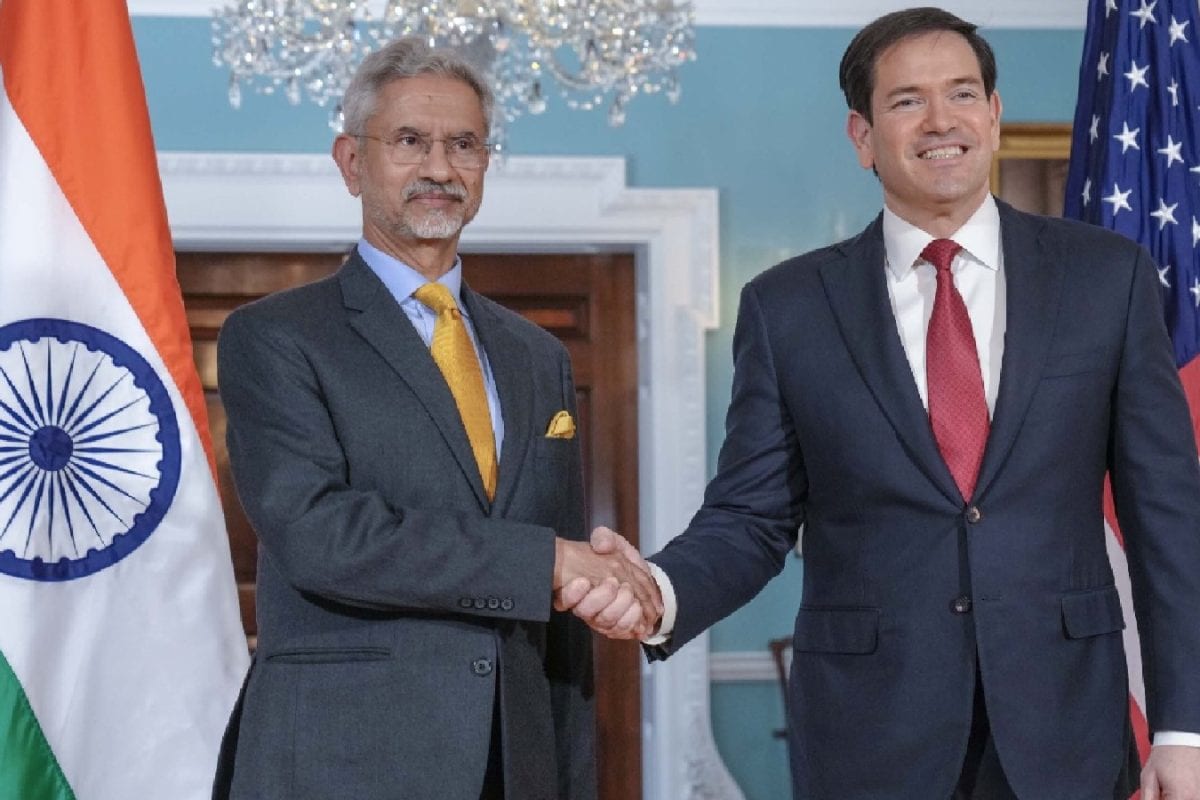
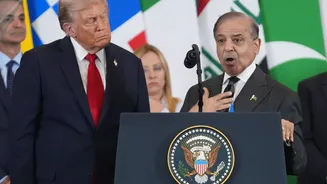
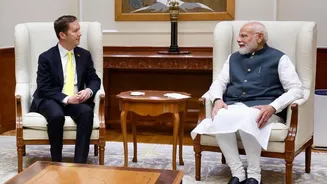
outreach to Washington produced little tangible benefit, leaving the country at a disadvantage compared to India. Despite efforts to court US President Donald Trump, including nominating him for the Nobel Peace Prize and supporting his inclusion on the Board of Peace, Pakistan ended up with a higher tariff burden than its neighbour. New Delhi, by contrast, is widely perceived as having maintained a firm stance against pressure from Washington over several months. The outcome highlights India’s strategic leverage and ability to secure favourable trade terms, even amid intense diplomatic maneuvering. Adding to the contrast, Trump posted a series of images on social media, including shots of India Gate and a magazine cover from India Today featuring Prime Minister Narendra Modi alongside himself. He also announced that tariffs on Indian goods would be reduced to 18 per cent, one percentage point lower than Pakistan’s rate, further underscoring India’s advantage in the new trade arrangement. Several on social media have expressed disbelief that India secured a more favorable deal without what they describe as excessive deference to Trump. Former Pakistan Tehreek-e-Insaf (PTI) minister Hammad Azhar described the outcome as a failure of strategy rather than chance. "Foreign policy in the 21st century isn't about optics or personal relationships. It's about leveraging economic strength, tariffs, and market access. India's recent trade deals with the EU and the US prove the point. Sycophancy & photo ops are useless," he wrote on X. The agreement, announced on February 2, sets US tariffs on Indian exports at 18 percent. Pakistan, by contrast, faces a 19 percent rate, despite what critics describe as sustained lobbying efforts in Washington by Prime Minister Shehbaz Sharif and Army Chief General Asim Munir.