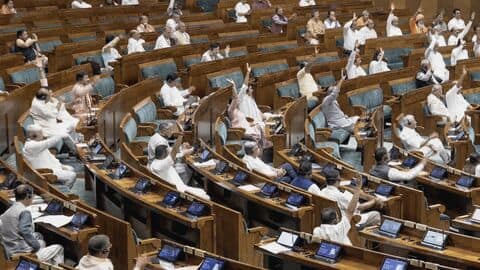








New Delhi: The Foreign Contribution (Regulation) Amendment Bill, 2026, on Wednesday was referred to a Joint Parliamentary Committee for detailed scrutiny.
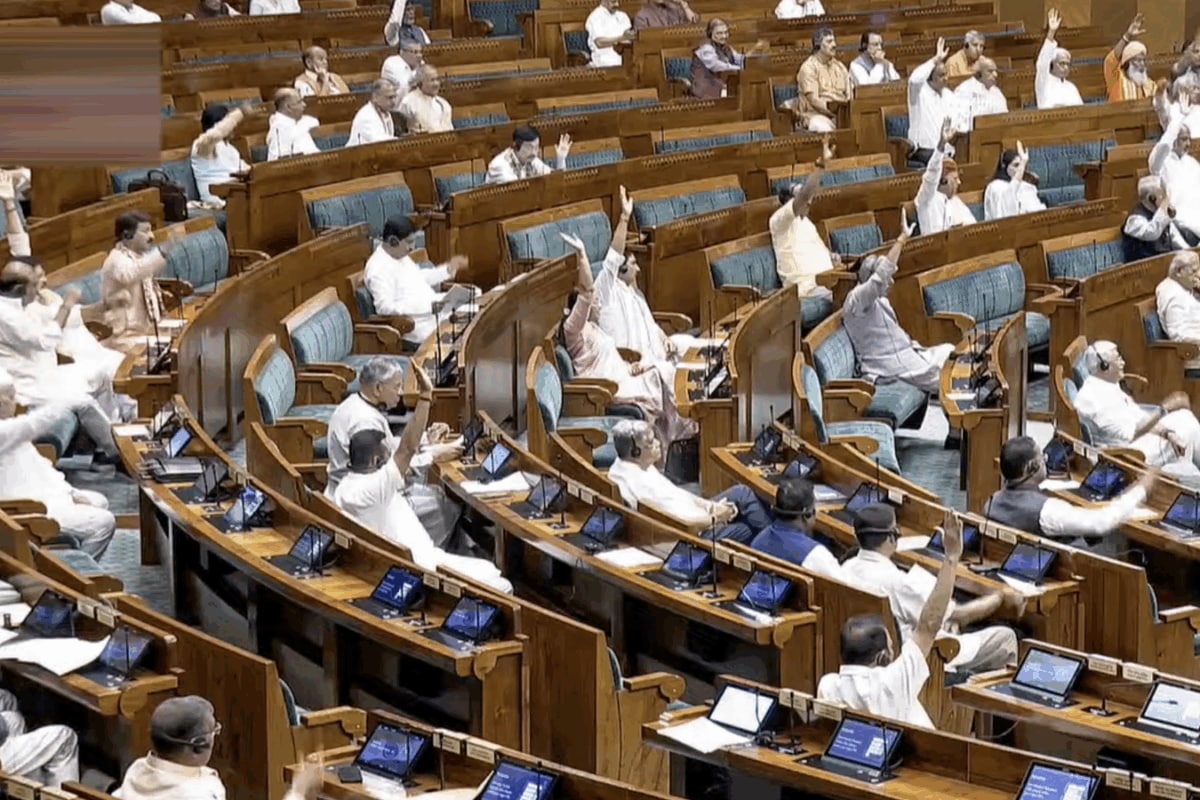
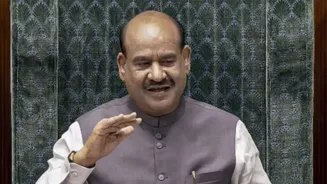
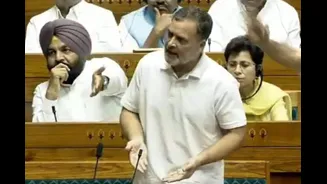
The proposed committee will have 31 members - 21 from the Lok Sabha and 10 from the Rajya Sabha. The committee will examine the Bill in detail and submit its report to Parliament by the last day of the first week of the Winter Session 2026. Union Minister Nityanand Rai tabled the motion in the Lok Sabha after it resumed proceedings following its adjournment in the morning. “That the Foreign Contribution (Regulation) Amendment Bill, 2026, be referred to a Joint Committee of the Houses consisting of 21 Members of this House to be nominated by the Hon’ble Speaker, Lok Sabha, and 10 Members of Rajya Sabha to be nominated by Hon'ble Chairman, Rajya Sabha," the List of Business read. The motion specified that the quorum for a sitting of the Joint Committee would be one-third of its total membership. It also recommended that the Rajya Sabha join the committee and communicate the names of its members to the Lok Sabha. "This House recommends to Rajya Sabha that Rajya Sabha do join the said Joint Committee and communicate to this House names of the Members to be appointed by Rajya Sabha to the Joint Committee," the motion added. Congress MP KC Venugopal called for the withdrawal of the Bill, while his opposition to the legislation was also backed by Samajwadi Party MP Akhilesh Yadav. Responding to the Opposition, Parliamentary Affairs Minister Kiren Rijiju said the Opposition should welcome the government's decision to refer the Bill to a JPC. He also said there was nothing in the proposed legislation that targeted minority institutions. While the government has opted for a committee review, the Congress has continued to demand the complete withdrawal of the Bill. Opposition parties have previously raised concerns that the proposed amendments could be used to target civil society organisations and minority institutions. The Bill was introduced in the Lok Sabha on March 25 and seeks to tighten government oversight of foreign contributions received by NGOs and other organisations.
What Does The FCRA Amendment Bill Propose?
One of the key provisions of the Bill is the creation of a "Designated Authority". The authority would take over the management of foreign contributions and assets created using those funds if an organisation’s FCRA registration is cancelled, surrendered or expires because it was not renewed.
Under the proposed law, when an organisation loses its FCRA certificate, its foreign contributions and assets created using those contributions would vest in the government-appointed authority.
The Bill also proposes that if the organisation does not obtain a fresh FCRA certificate within a prescribed period, these assets could be sold or transferred to a government department. The proceeds would then be credited to the Consolidated Fund of India.
The proposed changes would also remove the existing provision allowing an organisation to reclaim such assets if it is later re-registered. The institution that originally owned the assets would be permanently barred from reacquiring them.
In the case of assets that are places of worship, the Bill says the Designated Authority must ensure that their religious character is maintained.
Why Are Opposition Parties And Christian Leaders Opposing It?
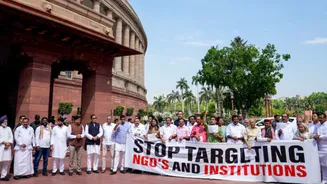
Opposition parties have demanded that the Bill be withdrawn, arguing that some of its provisions could disproportionately affect minority institutions, including Christian NGOs and minority-run educational and welfare organisations.
The government, however, has maintained that the proposed law is not religion-specific and is aimed at strengthening the regulation of foreign contributions.
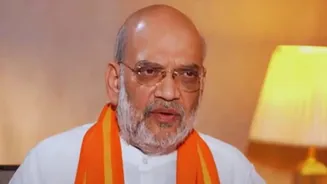
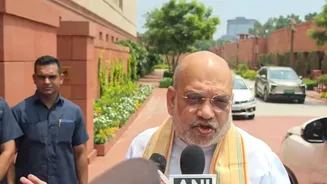
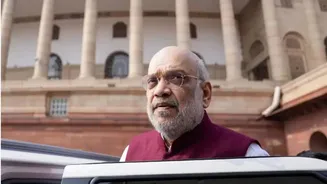
Ahead of the Bill’s tabling during the ongoing Monsoon Session, a delegation of Christian leaders met Amit Shah and urged him to withdraw the proposed legislation, objecting to what they described as its "confiscatory" nature.
The delegation was led by DMK Rajya Sabha MP P Wilson. The Christian leaders submitted a memorandum seeking referral of the Bill to a Joint Parliamentary Committee if the government was not willing to withdraw it. They also called for the repeal of Section 15 of the existing FCRA, which deals with the vesting of assets.
The delegation included Archbishop Anil Couto, CSI Moderator K Reuben Mark, evangelist Paul Dhinakaran, and representatives of the Catholic Bishops' Conference of India, the National Council of Churches in India and the Church of North India.
With the government now seeking a JPC review, the proposed changes to the FCRA are set to undergo further parliamentary scrutiny before the committee submits its report in the Winter Session.