







Oil prices moved higher on Tuesday as uncertainty over the future of the Middle East conflict continued to weigh on markets. Brent crude climbed above
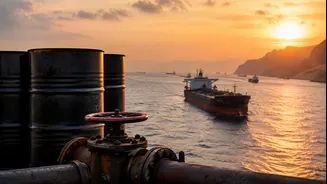
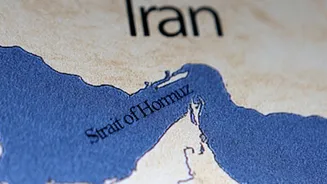
the $90-a-barrel threshold, while West Texas Intermediate (WTI) also advanced as hopes for an early resolution to the war weakened. The latest movement in crude prices comes amid signs of escalating military tensions. Iran has indicated that it could adopt a more aggressive military stance, while the US has ruled out extending the temporary ceasefire. The developments have renewed concerns about potential disruptions to oil supplies and shipping through the strategically important Strait of Hormuz. At around 7:30 am IST, WTI crude was trading at $84.84 a barrel, up 34 cents, or 0.40 per cent. The US benchmark had earlier climbed more than 1 per cent to touch $85.37, its highest level since July 31. Brent crude was quoted at $91.08 a barrel, gaining 21 cents, or 0.23 per cent. The benchmark had reached its highest level since July 30 during Monday's session. Peace Talks Lose Momentum As Military Tensions Rise Expectations of renewed negotiations and the possible resumption of normal oil tanker movements through the Strait of Hormuz have weakened. A senior Iranian official told Reuters on Monday that Iran would move to a "fully offensive" military posture as efforts to negotiate a permanent end to the conflict with the US had stalled. Washington, meanwhile, has said it does not intend to extend the temporary ceasefire. The uncertainty has added another layer of risk for global energy markets, particularly because the Strait of Hormuz is a crucial route for international oil shipments. Strait Of Hormuz Traffic Shows Sharp Decline The disruption to maritime traffic is becoming increasingly evident. According to ship-tracking data from Kpler, only five commodity vessels crossed the Strait of Hormuz on Saturday following attacks on tankers. No such vessels were recorded passing through the waterway on Sunday. The decline is significant compared with the previous weekend, when 31 vessels travelled through the strategic waterway, Reuters reported. Any prolonged reduction in tanker traffic could increase concerns over the availability and delivery of crude, potentially adding further upward pressure to international oil prices. Red Sea Tensions Add To Supply Concerns The latest escalation has not been limited to the Gulf region. Tensions have also spread to the Red Sea, another important corridor for global maritime trade. Yemen's Houthis said they had attacked what they described as a Saudi military vessel along with four escort ships. The group used missiles in the attack, according to its military spokesperson Yahya Saree in a post on Telegram. The developments have heightened concerns that the conflict could affect multiple shipping routes simultaneously, increasing risks for energy transportation and global supply chains. Iran, Oman Hold Talks Over Strait Of Hormuz Diplomatic activity has not come to a complete halt despite the deteriorating military situation. Iran has been conducting separate discussions with Oman over a potential arrangement for managing traffic through the Strait of Hormuz. Tehran said the two sides were close to reaching an agreement. The discussions have added a diplomatic dimension to the uncertainty surrounding the vital shipping route. However, US President Donald Trump responded by threatening to bomb Oman, which has long maintained a security partnership with Washington.