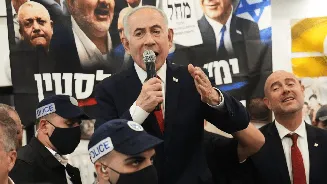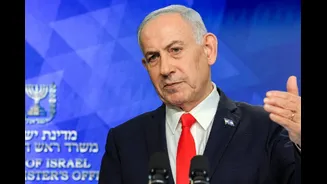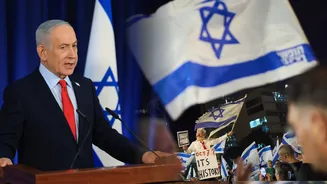


Israeli Prime Minister Benjamin Netanyahu has alleged a possible attempt to undermine the integrity of Israel's election, claiming that three suspects
were arrested in the Negev with envelopes of cash and ballot papers bearing the name of Arab party leader Mansour Abbas. In a post on X on Tuesday, Netanyahu described the incident as serious and said police had raided a building in the southern region, seizing envelopes containing thousands of shekels alongside the ballot papers. “I demand that the law enforcement system investigate the incident,” Netanyahu wrote, urging right-wing voters and Likud supporters to turn out in large numbers. Meanwhile, no official police statement confirming the arrests, the circumstances of the seizure or a suspected vote-buying operation was available at the time of publication.
Netanyahu urges Likud supporters to vote
In his post, Netanyahu framed the alleged incident as an attempt to compromise the election and called on his supporters to respond through higher turnout. “Right-wing voters, dear Likud voters, in the face of attempts to undermine the integrity of the elections, we must go out and vote en masse, vote Likud for the sake of our country,” he wrote.
🚨🚨🚨פרשה חמורה ביום הבחירות: שלושה חשודים נעצרו עם מעטפות כסף ופתקי הצבעה של מנסור עבאס.המשטרה פשטה על מבנה בנגב ותפסה מעטפות שהכילו אלפי שקלים לצד פתקי הצבעה.אני דורש ממערכת אכיפת החוק לחקור את האירוע. מצביעי הימין, מצביעי הליכוד היקרים, מול הניסיונות לפגוע בטוהר הבחירות חייבים לצאת ולהצביע מחל, להצביע ליכוד למען המדינה שלנו 🇮🇱
— Benjamin Netanyahu - בנימין נתניהו (@netanyahu) October 27, 2026
The allegation comes as Israelis vote in a closely contested national election widely viewed as a referendum on Netanyahu's leadership following the Hamas-led October 7, 2023, attack and three years of war.
Netanyahu's Likud-led coalition faces a challenge from opposition parties led by former military chief Gadi Eisenkot, while a separate alliance led by former prime minister Naftali Bennett and Yair Lapid is also seeking to shape the political outcome.
Opinion polls have suggested that neither major bloc is assured of securing the 61 seats needed for a parliamentary majority in the 120-member Knesset. The result could therefore depend on coalition negotiations and the positions taken by smaller parties.
Mansour Abbas, who leads the Arab-majority United Arab List, also known as Ra'am, has emerged as a potentially significant figure in the parliamentary arithmetic. Arab voter turnout and the representation of Arab-led parties could influence the balance of power if neither major bloc wins a clear majority.
The election campaign has been dominated by national security, the government's responsibility for the October 7 security failures, military-service exemptions for ultra-Orthodox Jews, judicial independence and the country's economic and social divisions.
An important factor is that Israel's election rules prohibit threats, coercion or promises of benefits intended to influence a person's vote. However, the presence of cash and ballot papers, if confirmed, would not by itself establish that a vote-buying offence had taken place.