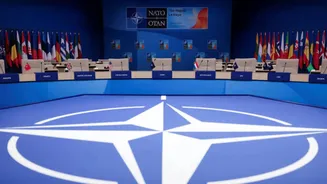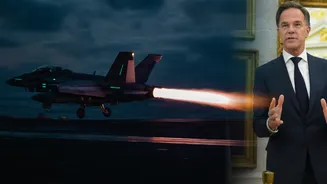







NATO Secretary General Mark Rutte on Wednesday offered an unequivocal defence of the latest US military strikes on Iran, calling Washington's renewed attacks
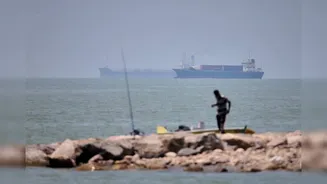
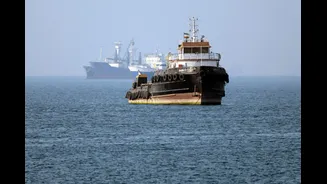
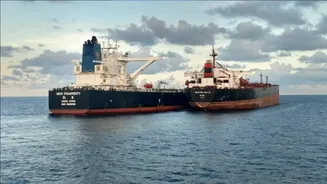
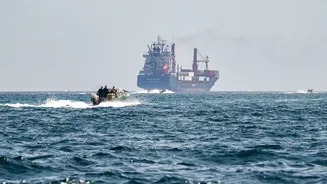
“absolutely necessary” after the Trump administration accused Tehran of violating the ceasefire. Speaking to reporters ahead of the NATO Summit in Ankara, Rutte argued that the United States had to respond forcefully if Iran was breaching the agreement. His intervention comes at a sensitive moment for the alliance, with the Iran War again exposing differences between Washington and several European capitals. The US military launched a fresh wave of strikes against Iran on Tuesday after three commercial tankers were hit by projectiles in the Strait of Hormuz. Washington also revoked a licence allowing Tehran to sell oil, increasing economic pressure on Iran as the already fragile ceasefire came under further strain. The United States has blamed Iran for the maritime attacks, while the latest military action has renewed fears that the Iran Conflict could again move towards sustained direct hostilities.
Reporter: What is your reaction to the recent U.S. attacks on Iran?
— Clash Report (@clashreport) July 8, 2026
NATO's Rutte: I think it was absolutely necessary. Iran is violating the ceasefire. pic.twitter.com/kd6Nr9Dtwx
'Absolutely Necessary': What Did Mark Rutte Say?
“When you have a ceasefire and Iran is basically violating the ceasefire, I think it is totally crucial that the US forcefully react,” Rutte told reporters before NATO leaders gathered in the Turkish capital. He described the latest American attacks as “absolutely necessary”, placing himself firmly behind Washington's response to the alleged ceasefire violations.
The remarks are notable because NATO, as an alliance, is not conducting the US military campaign against Iran. Rutte was defending Washington's decision to retaliate rather than announcing a collective NATO military action. Still, the public support from the alliance's Secretary General gives Trump a significant political endorsement as questions grow over the future of the ceasefire.
NATO Allies Seek To Reassure Trump In Ankara
Rutte attempted to dismiss doubts over Washington's future in the alliance. He said there could be no question about the “complete commitment of the United States to NATO”, adding that the military alliance also serves American security interests. The NATO chief, however, coupled that reassurance with another message for Europe and Canada.
“But there's also the expectation that the Europeans and the Canadians will equalise their spending with the United States, which I think is completely fair,” Rutte said. Defence spending has again emerged as a major point of discussion at the Ankara Summit, particularly as Trump demands that allies shoulder a greater share of the cost of collective defence.
Iran War Hangs Over NATO Summit
The formal NATO agenda in Ankara remains heavily focused on collective defence, Russia and the alliance's long-term military posture. The renewed US strikes on Iran, however, are difficult to separate from the political atmosphere surrounding the summit. Trump has already criticised allies that refused to support Washington's campaign, raising questions over whether those disagreements could spill into wider transatlantic discussions.
CENTCOM just released this statement:
— AZ Intel (@AZ_Intel_) July 8, 2026
"U.S. Central Command (CENTCOM) forces completed a new round of offensive strikes against Iran, July 7, hitting over 80 targets with precision munitions as an immediate response to Iran's latest attacks on commercial vessels transiting the… pic.twitter.com/6vQDRBNpO5
For Trump, the Ankara Summit now offers a test of whether higher European defence spending is enough to repair recent tensions with allies. For NATO, the immediate challenge is broader: keeping the transatlantic alliance together while wars and military crises on its eastern and southern peripheries increasingly compete for political attention and military resources.