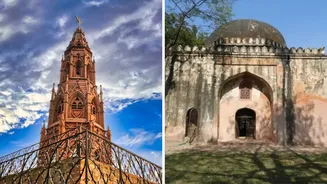









There are 75 monuments in Delhi that are up for adoption. The Delhi Government has approved two new heritage schemes under the 'Our Monuments, Our Pride'
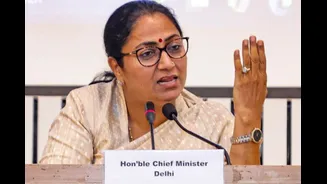
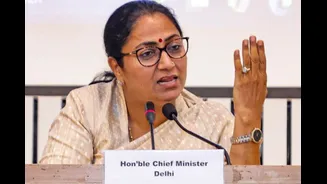
campaign. This will allow private institutions to adopt monuments and receive financial assistance of up to ₹2 crore. This will not only help in maintaining monuments but also help in conservation of these protected monuments. In a post on X, Delhi Chief MinisterRekha Gupta wrote, "Every generation of Delhi has lived this city in its own way. Some have read about these monuments in books, while others have seen them up close. Now is the time to further nurture this heritage and pass it on to the next generation. In advancing the vision of the Hon'ble Prime Minister Shri @narendramodi ji's ‘Development as well as Heritage,’ the Delhi Government has approved two new schemes under the ‘Our Monuments, Our Pride’ campaign." She also added, "Now, private companies, PSUs, trusts, and NGOs will be able to adopt 75 historical monuments of Delhi as ‘Monument Friends’ for five years. Meanwhile, eligible institutions will be granted up to ₹2 crore in assistance for the core conservation and restoration of monuments. Through public participation, Delhi's heritage will be developed into vibrant cultural and tourism centres with new pride and a new identity. #ViksitDelhi" (translated from Hindi). Read More: How Jantar Mantar Became Delhi's Most Prominent Protest Ground Known as the "City of Djinns", Delhi has witnessed centuries of history and is home to some of the country's most famous heritage sites. Under the scheme, these state-protected historical monuments can be adopted for five years. Some of the monuments available for adoption include Mirza Ghalib's Haveli in Ballimaran, Malcha Mahal in Chanakyapuri, Bhuli Bhatiyari Ka Mahal near Karol Bagh, Turkman Gate on Asaf Ali Road, the Mutiny Memorial near Northern Ridge, Gol Gumbad near Lodhi Road, Jharna in Mehrauli, and Quli Khan's Tomb in Mehrauli. The Ministry of Tourism, Government of India, launched the "Adopt a Heritage: Apni Dharohar, Apni Pehchaan" programme in 2017. It is a collaborative effort involving the Ministry of Tourism, the Ministry of Culture, the Archaeological Survey of India (ASI), and State and Union Territory governments. The objectives of the project were to develop basic tourism infrastructure in and around heritage sites, monuments and tourist attractions; improve facilities and amenities to enhance the visitor experience; promote the cultural and heritage value of the country and create greater awareness of heritage and tourist sites; develop and encourage sustainable tourism infrastructure while ensuring its proper operation and maintenance; and generate employment opportunities and support the livelihoods of local communities associated with these heritage and tourist destinations. According to a PIB report from 2018, 10 monuments had been adopted under the programme. These included Red Fort in Delhi, Gandikota Fort in Andhra Pradesh, the area surrounding Gangotri Temple and the trail to Gaumukh in Uttarakhand, the Mt. Stok Kangri trek in Ladakh, Jantar Mantar in Delhi, Surajkund in Haryana, Qutub Minar in Delhi, Ajanta Caves in Maharashtra, Leh Palace in Leh, and Hazara Rama Temple in Hampi, Karnataka. Similar monument adoption initiatives have also been implemented in other countries. One of the most successful examples is Finland's 'Adopt a Monument' programme. "This grassroots project, facilitated by the Pirkanmaa Provincial Museum, encourages citizens to ‘adopt’ monuments of cultural and historical significance in their environment, to care for them and return them to use. While the adopters do not own the site, they do take on the role of managers in taking responsibility for its upkeep and monitoring its condition," states the website of European Heritage Europa Nostra Awards. It adds further, "As caretakers of these monuments, they also contribute to raising awareness in the local communities about their heritage by researching the history of the site and holding events there. As the monuments have often been left vacant for many years, this initiative helps to restore their visibility within their communities and greatly enhances their value."