







What is the story about?
DUBAI, United Arab Emirates (AP) — Israel launched an attack on a significant petrochemical plant located in Iran’s South Pars natural gas field, resulting
in the death of a senior commander of the Revolutionary Guard. This escalation raises concerns regarding ongoing negotiations between the United States and Tehran aimed at achieving a ceasefire. Israel's Defense Minister, Israel Katz, confirmed the strike on what he termed “the largest petrochemical facility in Iran,” which accounts for half of the nation’s petrochemical output. As discussions continue, Israel's military spokesperson, Lt. Col. Nadav Shoshani, emphasized that Iran would face no immunity.
Details of the Attack
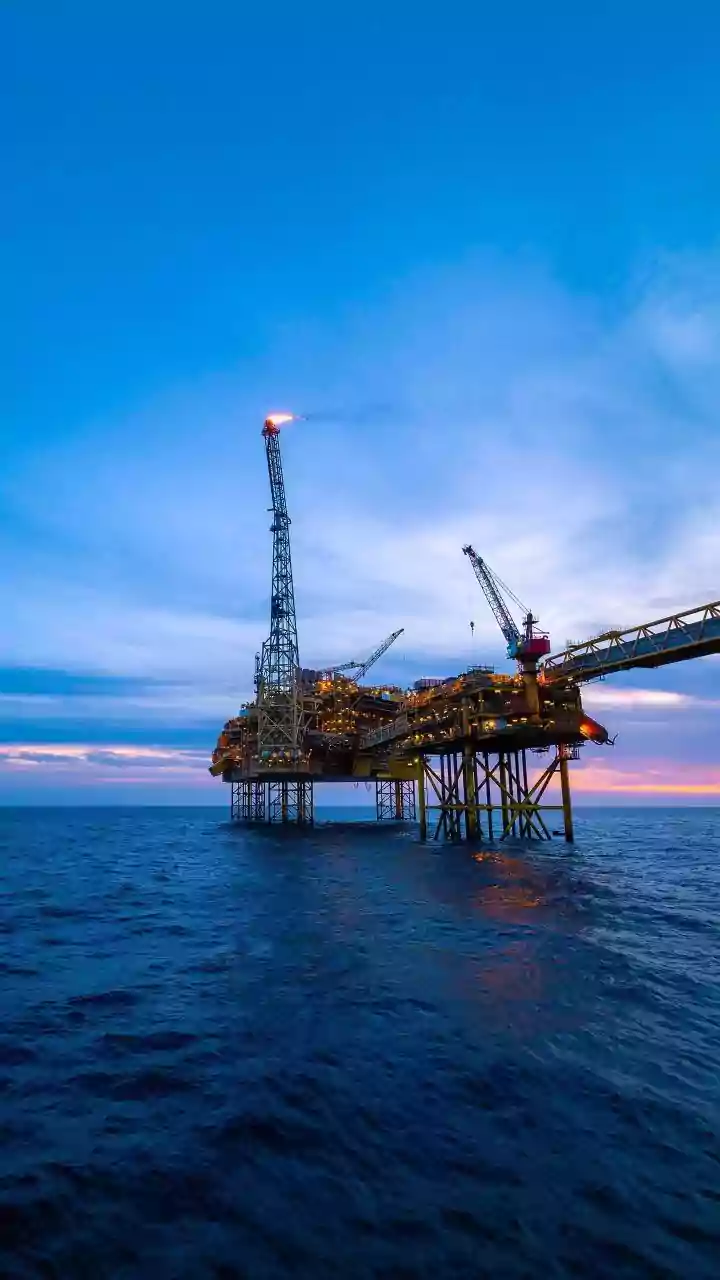
The South Pars gas field, which Iran shares with Qatar, is recognized as the world’s largest and is situated beneath the Persian Gulf. Following the airstrike, explosions were reported in Tehran, and low-flying aircraft were heard for several hours. Thick black smoke billowed from areas near Azadi Square, where one of the strikes hit the Sharif University of Technology.Casualties and Regional Impact
Among those killed in the Tehran attacks was Maj. Gen. Majid Khademi, the head of intelligence for the Revolutionary Guard, as confirmed by Iranian state media. Additionally, Israel's military reported the death of Asghar Bakeri, the leader of the Guard’s Quds Force undercover unit.In retaliation, Iranian missiles targeted the northern Israeli city of Haifa, resulting in the deaths of four individuals in a residential building. In response to the threat posed by Iran, Kuwait, the United Arab Emirates, and Saudi Arabia activated their air defenses to intercept incoming missiles and drones.
U.S. Involvement and Diplomatic Efforts
The White House did not provide an immediate comment regarding the airstrike. Following a previous attack on South Pars in March, former President Donald Trump had warned that the U.S. would retaliate against Iran if it continued to target Qatar’s energy infrastructure.As pressure mounts, Trump issued a deadline for Tehran to reopen the Strait of Hormuz, while mediators from Egypt, Pakistan, and Turkey have proposed a 45-day ceasefire to facilitate discussions between the U.S. and Iran. However, both nations have yet to respond to this proposal.
International Reactions and Economic Consequences
European Council President António Costa called for a renewed commitment to diplomacy, stating that targeting civilian infrastructure is illegal and counterproductive to achieving peace. He urged that only negotiations can lead to a ceasefire.As tensions escalate, Brent crude oil prices surged to $109 per barrel, reflecting a 50% increase since the onset of the conflict. While some vessels have passed through the Strait of Hormuz since the war began, the overall traffic has decreased by more than 90% compared to the previous year.
Continued Violence and Civilian Casualties
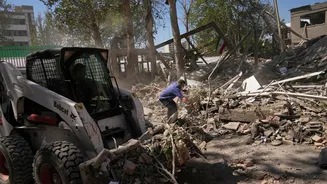
Reports indicate that over 1,900 individuals have died in Iran since the conflict commenced, although the government has not updated its casualty figures recently. In Lebanon, the death toll has surpassed 1,400, with more than a million people displaced due to the ongoing violence.Israeli airstrikes continue to target Iranian military infrastructure, resulting in civilian casualties across various cities, including Tehran and Qom, where residential areas have been struck.