




What is the story about?
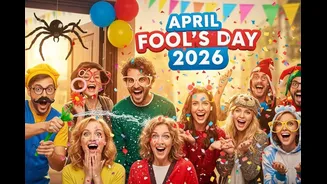
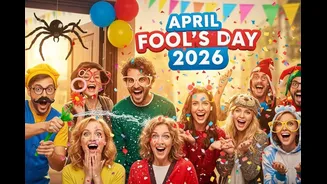
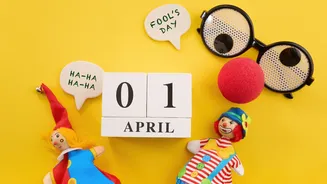
Every year on April 1, the world takes a collective breath and gives in to a more playful, prank-loving version of ourselves. Messages become suspicious,
headlines are too insane to be real, and even the most serious of folks are likely to become the victim of a harmless joke. But why do we actually celebrate April Fool’s Day? The answer is not so simple, it’s a combination of history, mystery, and love of humanity for humour.
The Calendar Theory: A Popular Explanation
One of the most widely-accepted theories involves Pope Gregory XIII's introduction of the Gregorian calendar in 1582. This reform moved the start of the New Year from late March/April to January 1 in countries such as France.
Communication wasn't fast in the 16th century. The fact that many people were either unaware of the change or simply stuck to celebrating New Year around April 1 as a tradition led them to be ridiculed and called “April fools,” who were then become the subject of various harmless jokes. This joking apparently developed into an annual tradition.
That said, historians emphasise the absence of any hard evidence that pinpoint this single incident as the April Fool's Day origin, yet it is still considered one of the most compelling theories.
Connections to Ancient Celebrations
April Fool’s Day may also be connected to ancient festivals that celebrated humour and disguises. The Roman festival Hilaria, which took place in late March, invited people to dress up, mock others, and revel in a sense of playful freedom.
Seasonality could also be a factor. As the Northern Hemisphere transitions into spring at this time of year — a time of erratic weather and change, perhaps resembling the spirit of pranks - festivals like Holi and Sizdah Bedar celebrate joy, chaos, and inoffensive mischief. This playful spirit seems to resonate across cultures.
How It Became a Global Tradition
By the eighteenth century nearly every folk knew April Fool’s Day in places such as the United Kingdom, where playing pranks was an accepted part of the day. In the modern age, the day’s tradition took on a global reach, in part, because of media. In 1957, one of the biggest pranks played was on the BBC, when they ran a goofy report about spaghetti growing on trees. Surprisingly, many people truly believed it. Today, social media and global brands have taken April Fool’s Day to the next level, with more elaborate hoaxes that can reach millions of people in minutes.
A Tradition with Mystery And Meaning
Along with all the jokes, April Fool's Day, at its core, means one thing - joy. It teaches us to stop for a moment, have a good laugh and not to take life so seriously. Most importantly, the custom of pranking must be in keeping with the spirit of the day and practice the people's trust and goodwill more than exploit them. It is not the intention of the pranking to make anyone feel ashamed or humiliated, but rather achieving a situation where everyone laughs together.
Centuries after the event, the precise point in time when April Fool's was created remains uncertain. Maybe that is exactly one of the reasons for which so many people continue to celebrate this day that reminds us of surprise, unpredictability, and fun - values that do not require a single origin story to be meaningful. In the end, rather than a date steeped in history, April 1 is a day that celebrates the lighter side of life - the notion that sometimes a little bit of laughter is all one really needs.