







Amid the intensified West Asia crisis, if the movement through the Strait of Hormuz remains restricted, the global oil market could face a physical deficit
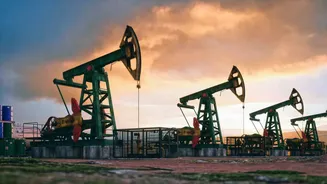
of 7-11 million barrels per day, said Choice Equity Broking. It expects a structurally firmer oil price environment as the market struggles with reduced supply availability. "As disruptions from Hormuz persist and OPEC output falls to multi-decade lows, the market is increasingly confronting a shortage of available crude supply, supporting a structurally firmer oil price environment," Choice Equity Broking said. Taking into consideration the situation when there was no sustained reopening of Strait of Hormuz by end of May, the brokerage expected the Brent price to average at USD 89 per billion for the FY27. In a scenario where traffic through the Strait of Hormuz normalizes materially faster than our assumed three-month timeline following its sustained reopening, we continue to view average of USD 82/bbl as a floor for Brent futures in FY27, supported by the gradual restoration of curtailed supply and inventory replenishment demand, the report added. The report further highlighted that diesel prices could remain under pressure as higher crude prices and supply constraints push refining margins to a stronger base. Restoring balance in the market may require significant demand reduction, especially in sectors where diesel consumption is closely linked to economic activity, it said.
Risks of attacks hover over crude supply:
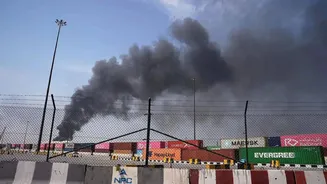
In recent developments, Iran threatened to close Bab-el-Mandeb, jeopardizing a route carrying 7.2 million barrels per day (mbd), up from 3.9 mbd before the crisis, which has partially offset disruptions in the Strait of Hormuz.
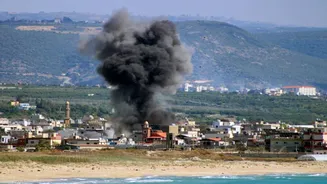
The Israeli Air Force hit back hours after Iran fired ballistic missiles at northern Israel. Israeli Air Force strike military targets belonging to the Iranian terror regime in western and central Iran, reigniting tensions in the region amid growing fears of a return to open conflict.
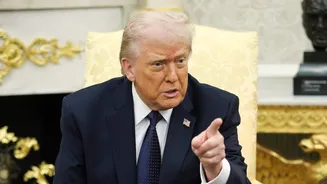
The Israeli strikes come even as President Donald Trump told Israeli Prime Minister Benjamin Netanyahu not to retaliate against Iran's attack.