






What is the story about?
In recent days, the United States has experienced a series of violent incidents linked to a heightened terrorism threat, particularly in New York City,
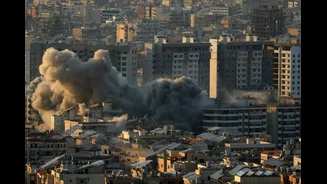
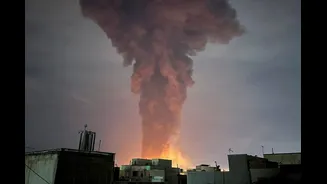
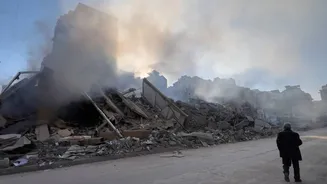
Michigan, and Virginia. Federal authorities attribute these acts to influences from the Islamic State and personal grievances exacerbated by ongoing conflicts, notably the war in Iran. The surge in violence coincides with significant personnel changes at the FBI and Justice Department, raising concerns about the U.S. counterterrorism capabilities amid the ongoing conflict with Iran. Experts warn that the loss of experienced officials could hinder efforts to prevent further threats.
Recent Violent Incidents
In New York City, two individuals inspired by the Islamic State brought homemade bombs to a far-right protest outside the mayor's mansion. Meanwhile, in Michigan, a naturalized citizen from Lebanon crashed his vehicle into a synagogue and subsequently took his own life after being confronted by security.Additionally, in Virginia, a man with a prior terrorism conviction shouted 'Allahu akbar' before opening fire in a university classroom, an attack that ended when students intervened and subdued him.
Concerns Over National Security Resources
The recent violence has highlighted a strained counterterrorism system in the U.S., exacerbated by the departure of seasoned professionals from the FBI and Justice Department. Experts express concern that the current personnel may lack the experience necessary to effectively address the evolving threats.Frank Montoya, a retired senior FBI official, remarked, 'So much experience has been decimated from the ranks. The folks that were best positioned to get to the bottom of it before something really bad happened are in many cases no longer with the government.' He emphasized that less experienced personnel are now handling critical threats.
In response to these concerns, the FBI stated that its agents and staff are dedicated professionals committed to safeguarding the homeland and combating violent crime, although they did not provide specific information regarding personnel changes.
Iran's Role in Terrorism Threats
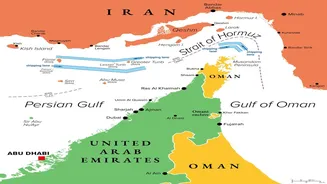
Iran has a documented history of orchestrating attacks and targeting individuals within the U.S. Following the U.S. and Israeli actions against its leaders, Iran has threatened retaliation. Notably, Iranian operatives attempted to execute a murder-for-hire plot against a former U.S. national security adviser following the assassination of General Qassem Soleimani.Despite concerns regarding Iran's capacity to conduct large-scale attacks on U.S. soil, recent intelligence indicates potential aspirations for drone strikes. However, officials have clarified that these warnings are unverified and lack substantiated plots.
Challenges of Lone Actors
Since the September 11 attacks, the U.S. has revamped its national security strategies to mitigate threats from lone actors. Despite these efforts, individuals radicalized online have successfully executed attacks, such as the 2015 shootings in Chattanooga and the Orlando nightclub massacre.Retired FBI official Edward Herbst noted the unpredictability of such self-directed actors, stating, 'They’re self-directed. That’s what makes them really lethal. You never know when they’re going to rise up. You never know when and where they’re going to attack.'
Experts emphasize that international conflicts, like the one in Iran, can heighten grievances and increase domestic threats, necessitating vigilance from law enforcement agencies.
Impact of FBI and Justice Department Changes
The Justice Department's National Security Division has faced significant turnover, with estimates suggesting that about half of its counterterrorism prosecutors have departed since the beginning of the Trump administration. This shift has raised alarms regarding the division's ability to address pressing threats effectively.Matthew Olsen, a former leader in the National Security Division, indicated that the FBI's capabilities have diminished due to the loss of experienced personnel, stating, 'This is not an exaggeration to say that they are not as capable as they were a year and a half ago.'
Montoya highlighted the detrimental impact of abrupt personnel changes, emphasizing the challenges faced by new agents who lack the institutional knowledge of their predecessors.